
BEIRUT (AP) — Eight people lost their lives in Israeli drone attacks across southern Lebanon on Tuesday, coming just one day after U.S. President Donald Trump announced that Israel and Hezbollah had reached an agreement to reduce military operations.
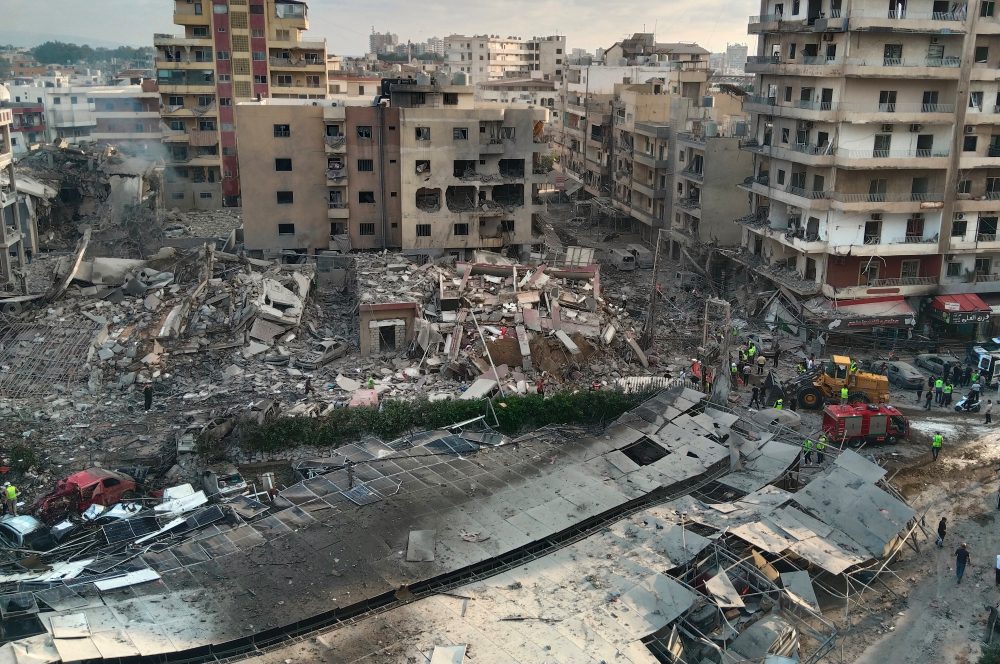
On Monday, Israel had issued warnings about potential strikes on Beirut’s southern neighborhoods, sparking widespread fear in Lebanon’s capital city. Thousands of residents evacuated to more secure locations while Hezbollah launched rocket attacks toward northern Israel. Israeli military forces conducted their most significant advance into Lebanese territory in over two decades, though the capital had largely avoided attacks during the previous six weeks, except for two specific operations targeting southern Beirut neighborhoods in May.
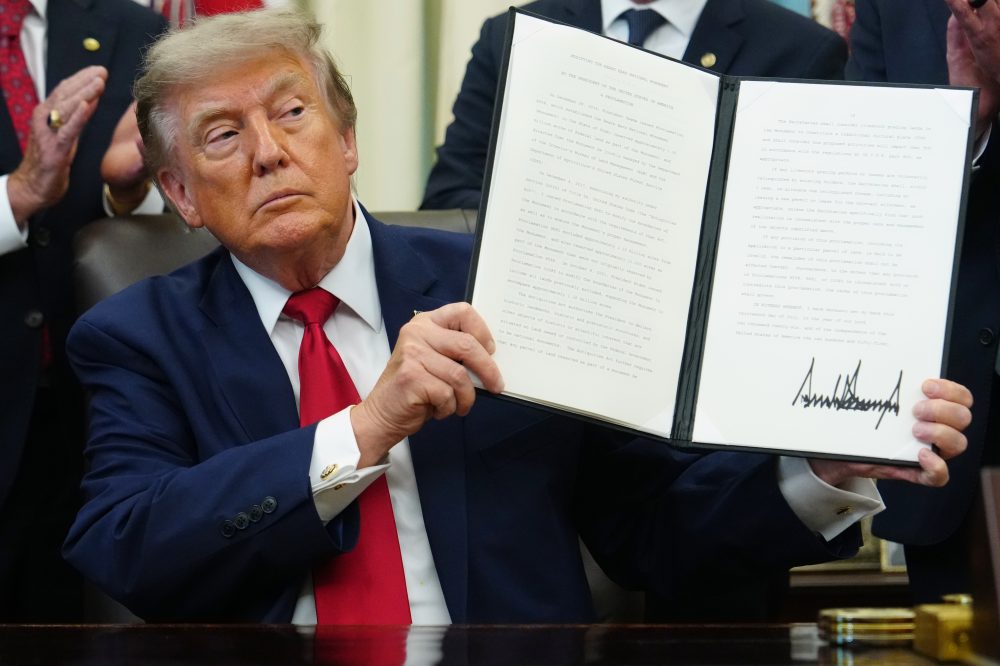
Following discussions with Israeli Prime Minister Benjamin Netanyahu and communications with the Lebanese militant organization through intermediaries, Trump later declared that “there will be no Troops going to Beirut.”
According to Lebanon’s State-run National News Agency, an Israeli drone attack struck a vehicle traveling on the route connecting the southern town of Marjayoun with Nabatiyeh city on Tuesday, resulting in the deaths of James Karam, a dentist from the neighboring Christian community of Qlayaa, and his daughter and son. Lebanese military officials reported that two soldiers sustained minor injuries when another drone attack targeted their position on a road outside the city.
The news agency documented that a drone attack on Jibchit village resulted in the deaths of two Syrian workers employed at a plant nursery, while a separate strike on the adjacent village of Toul claimed two additional lives. A fourth attack targeted a vehicle near Harouf village, killing one person.
The National News Agency also confirmed that an Israeli airstrike on Monday resulted in six fatalities in the southern village of Marwaniyeh.
Hezbollah announced Tuesday that its forces launched anti-tank missiles against Israeli troops advancing into the southern village of Hadatha, located approximately 7 kilometers (4 miles) from the Israeli border. Warning sirens activated across multiple areas in northern Israel, according to military officials, who stated that “a suspicious aerial target” was detected in the region where Israeli forces are conducting operations in southern Lebanon, with no casualties reported.
Even after a Washington-mediated ceasefire agreement established in April, both parties have maintained their exchange of attacks following Israeli operations in Lebanon, which Israel characterized as defensive measures.
These recent confrontations occurred as a second series of negotiations between Israel and Lebanon was set to begin Tuesday and Wednesday in Washington, where Lebanese representatives plan to pursue a comprehensive ceasefire agreement to prevent future hostilities. The Israel-Lebanon discussions that commenced in April marked the first such talks in over thirty years between the nations, which maintain no official diplomatic ties.
The ongoing conflict creates a significant challenge for the developing agreement to extend the ceasefire in the Iran war that began after the United States and Israel conducted strikes against the Islamic Kingdom on February 28. Tehran seeks any deal to incorporate a complete cessation of hostilities in Lebanon.
Hezbollah has declined direct negotiations, relying instead on Iranian influence.
The current cycle of violence between Israel and Hezbollah has resulted in 3,433 deaths in Lebanon and forced over 1 million people from their homes. Data from Netanyahu’s office indicates that at least 27 Israeli soldiers and one defense contractor have died in or around southern Lebanon. Two civilians in northern Israel have also been killed.
Israeli military officials reported late Monday that one soldier was killed in southern Lebanon, with seven additional soldiers wounded in the same incident, three critically.
Hezbollah’s deployment of difficult-to-detect fiber-optic drones has proven particularly lethal against Israeli forces, who continue to face challenges in developing effective countermeasures.