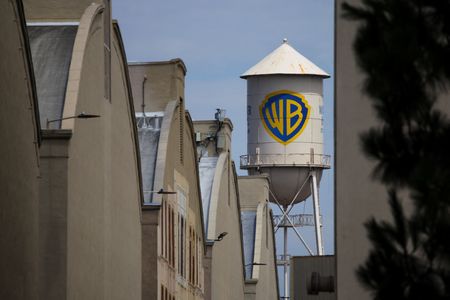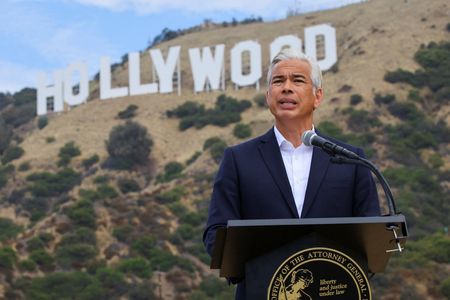

California is leading a coalition of 12 states in a legal effort to stop Paramount from completing its $110 billion purchase of Warner Bros. Discovery, with the states warning the deal would hand a single media company an outsized grip on the film and television industries.
The merger is central to Paramount CEO David Ellison’s vision of turning his company into a powerhouse competitor to streaming giants like Netflix and Disney. However, the states contend the deal would damage movie theaters, pay TV providers, and ultimately hurt everyday consumers and workers.
In the lawsuit, the states wrote that after the merger, the combined company would collect more than 25 cents of every dollar generated by wide-release theatrical films and basic cable channels across the United States. “This merger, in short, would create a media behemoth,” the states declared in the filing.
Paramount fired back, saying the lawsuit twists established antitrust law and misrepresents how competition actually works in the entertainment business.
The deal had already received a green light from federal antitrust regulators last month, a clearance that some critics have questioned given Paramount CEO David Ellison’s family ties to Republican President Donald Trump. Ellison’s father, billionaire Oracle co-founder Larry Ellison, has cultivated a relationship with the president. Notably, all of the state attorneys general who joined Monday’s lawsuit are Democrats.
According to the states, if the merger goes through, the new company would control 27% of the market for films distributed to theaters nationwide, 30% of the blockbuster film distribution market, and 27% of the basic cable channel market.
Hollywood workers have spoken out against the deal, fearing widespread job losses, while theater owners worry it would mean fewer films being made. The U.S. Department of Justice, which cleared the deal last month, took the opposite view, saying it would be good for consumers and workers.
Paramount shares climbed 2.9% after the lawsuit was filed, while Warner Bros. shares rose 2.6%.
A court ruling on the states’ challenge is not expected for several months, a delay that could cost Paramount hundreds of millions of dollars. The states have asked the company to hold off on closing the deal until the courts resolve the matter — and warned they will seek a court order to block the closing if Paramount refuses.
The states argued that Paramount and Warner Bros. currently compete fiercely for prime release dates and screen time at thousands of movie theaters. Without that rivalry, both theaters and moviegoers could end up paying more, the states said.
Pay TV providers and their customers would also feel the impact, the states argued, since the two companies together would control major networks including CNN, MTV, HGTV, Cartoon Network, and Nickelodeon.
Joining California in the suit are Arizona, Colorado, Connecticut, Massachusetts, Minnesota, Nevada, New Jersey, New Mexico, New York, Oregon, and Washington.
Oregon Attorney General Dan Rayfield commented on the decision to act despite federal approval, saying, “Despite the federal regulators rubber-stamping this bad deal, we’re stepping up to protect families, small businesses, and Oregon’s film industry.”
Paramount has argued the merger will actually increase output, not reduce it, after the company trims $6 billion in overlapping infrastructure, marketing, and corporate positions. CEO Ellison has pledged that the merged film studios would put out 30 movies per year.
The states dismissed that commitment as unenforceable, adding that even if Paramount kept its word on film output, the company would still have the market power to raise prices and reduce quality. They also warned the merger would ripple through state economies, putting tens of thousands of writers, actors, crew members, and other entertainment workers at risk.
Paramount has agreed to pay roughly $650 million per quarter to Warner Bros. Discovery shareholders if the deal fails to close before October. The company has cautioned that delays could force a renegotiation of the deal’s financing, create instability for its stock price, or even cause the transaction to fall apart entirely.