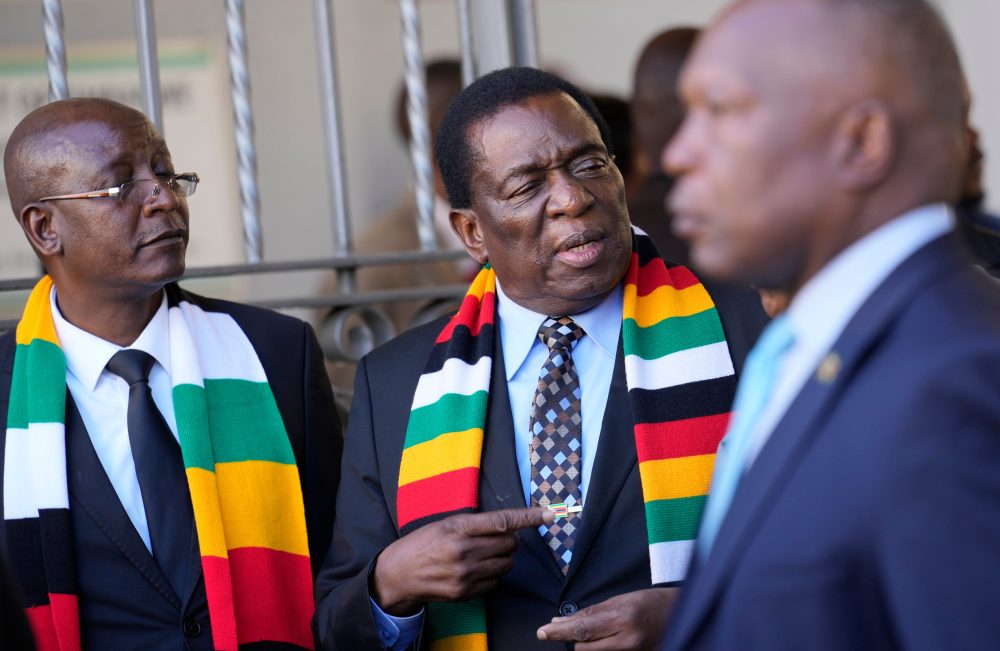

HARARE, Zimbabwe — Zimbabwe’s Senate gave overwhelming approval Wednesday to a set of constitutional amendments that would eliminate direct presidential elections, postpone the next scheduled vote, and extend the term of the nation’s 83-year-old president.
The measure passed with 75 senators voting in favor and only four opposed. Some lawmakers from the divided opposition crossed the aisle to support the bill alongside members of the ruling party. The president’s signature is now the only remaining step before the amendments become law.
Under the proposed changes, the presidential election currently set for 2028 would be pushed back to 2030, giving President Emmerson Mnangagwa an additional two years in office. The bill also fundamentally changes how Zimbabwe’s president is chosen — scrapping the direct popular vote in favor of selection by members of parliament. Additionally, the terms of both the president and parliament members would be extended from five years to seven.
The amendments have drawn sharp criticism from human rights lawyers, activists, and some opposition figures, who argue that lengthening presidential terms requires a public referendum rather than a simple parliamentary vote. Supporters of Mnangagwa counter that parliament has the authority to make these changes, pointing out that the constitutional two-term limit would still be preserved, even if each term becomes longer.
The political climate in Zimbabwe has grown increasingly tense since the amendments were introduced. Critics of the legislation have reportedly faced arrest and detention, while others have described harassment and intimidation. Courts in the southern African nation have not yet ruled on multiple legal challenges filed against the proposed changes.
Mnangagwa has held power since 2017, when the military facilitated the removal of his longtime mentor and former Zimbabwean ruler Robert Mugabe, who passed away in 2019. Though Mnangagwa had previously indicated he would leave office when his second term ended in 2028, his ruling ZANU-PF party has been a driving force behind the amendments. Parliament has even held late-night sessions to advance the legislation. The lower house passed the bill by a wide margin just last week.