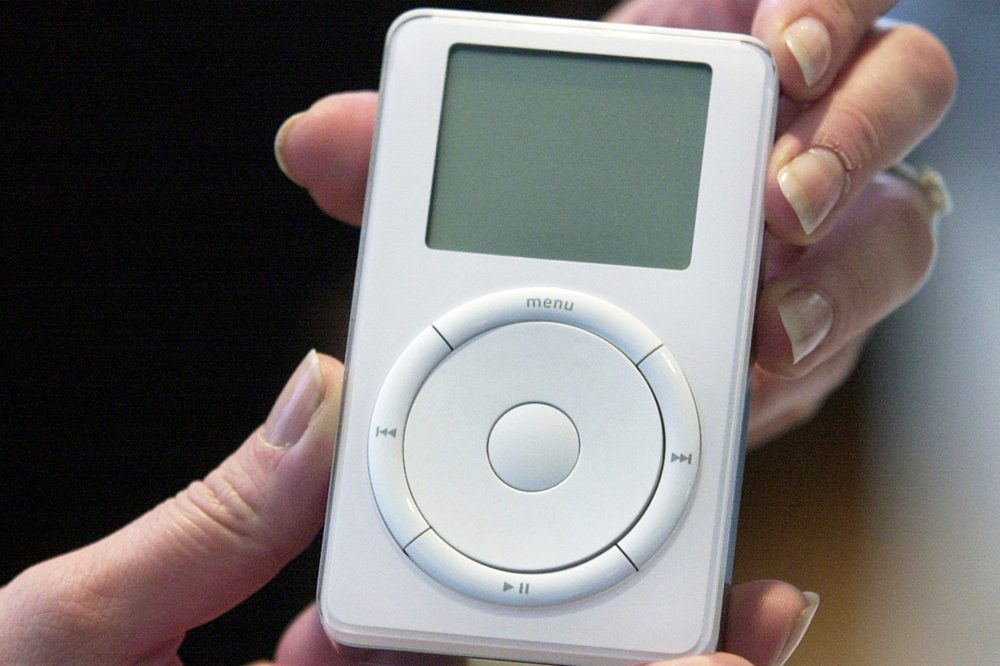

The iPod is experiencing an unexpected resurgence among younger generations.
Apple’s discontinued music device has seen a dramatic spike in secondhand purchases four years after the company ended production. Young consumers are driving this trend, attracted not only to the device’s vintage aesthetic but also to its ability to provide focused music listening without algorithmic interference.
“There’s a growing trend, particularly amongst younger users, to mitigate the ease with which they can be distracted by smartphones, often driven by mental health and well-being concerns,” explained Ben Wood, chief analyst at CCS Insight. “Having a dedicated music device, such as an iPod, is a good way to reduce your dependence on a smartphone and avoid being drawn into other activities, like doomscrolling through social media feeds, when you only really want to listen to music.”
For those considering joining this retro movement, here’s what you need to know:
While new iPods are no longer manufactured, finding used models remains relatively straightforward. Apple’s two-decade production run resulted in 450 million units sold, creating a substantial supply for the resale market.
The secondhand marketplace is flourishing, with thousands of used iPod listings appearing on eBay. “Based on my discussions with people in the market, there has definitely been renewed interest in refurbished iPods,” Wood noted.
However, buyers should exercise caution with eBay listings claiming to offer new devices. Many originate from Chinese sellers, and some customers have reported receiving refurbished units in fake packaging instead of genuine new products.
Alternative purchasing options include Facebook Marketplace, peer-to-peer platform Mercari, and refurbished electronics retailer Back Market. The latter reported a 48% increase in iPod sales during the previous year compared to 2024, operating across the United States, Japan, and numerous European nations.
Specialized businesses focusing exclusively on refurbished iPods have also emerged to meet demand.
Sometimes the solution lies closer to home. One recent example involved a teenager discovering her grandmother’s silver iPod Nano, complete with original accessories, tucked away in a guest room drawer.
An active online community provides support for enthusiasts, sharing maintenance advice and showcasing customized devices with aftermarket modifications like colorful faceplates.
Apple produced several iPod variations throughout its lifespan.
The inaugural 2001 model featured the iconic scroll wheel design. By the sixth generation, Apple branded it as the Classic.
Subsequent releases included the compact Mini and Nano models, plus the screenless Shuffle. The Touch version introduced a glass touchscreen and iOS compatibility for app functionality, essentially creating an iPhone without cellular capabilities.
Apple’s identification webpage can help determine specific model types for uncertain owners.
Discovering an old iPod raises immediate functionality questions. Dead batteries require proper charging cables for revival.
Recent iPod Touch generations utilized Apple’s Lightning connector, while all other models needed the distinctive 30-pin cable with its wide, flat connector. Though Apple discontinued these cables, aftermarket replacements remain available.
If charging fails to restore function, battery replacement might be necessary. Additional issues could include damaged headphone ports or broken displays. Apple continues servicing only the final two iPod Touch generations.
Independent repair services offer alternatives, or ambitious users can attempt self-repair using iFixit’s comprehensive guides and sourced replacement components.
iPod Touch users face software restrictions. The seventh-generation model—the final version sold—supports only iOS 15, while earlier editions are limited to older operating systems. Other iPod variants avoid this limitation since they don’t use iOS.
Starting fresh often requires factory resets to eliminate previous content and restore default settings. This process requires either Mac or Windows computers, with Apple providing detailed instructions.
Windows users can manage their devices through iTunes, adding music files by dragging them into the iPod’s library or selecting “Add to Device” for previously purchased iTunes content.
Mac users must utilize Apple Music since iTunes was discontinued for MacOS in 2019, though the drag-and-drop process remains equally simple.
Apple Music subscribers can stream content on later iPod Touch models, but all other variants only support music files ripped from CDs or purchased from digital platforms.
Most iPods offer basic functionality due to firmware limitations.
However, their appeal partly stems from modification potential, Wood observed.
“There is definitely a movement of people looking to take iPods and modify them for modern use,” he stated.
Popular modifications include replacing factory firmware with open-source alternatives like RockBox, which Wood described as offering “greater control and add features that Apple had not included or did not exist at the time.”
These enhancements enable high-resolution audio support, iTunes-independent music management, and listening history tracking for platforms like Last.fm, according to Wood.