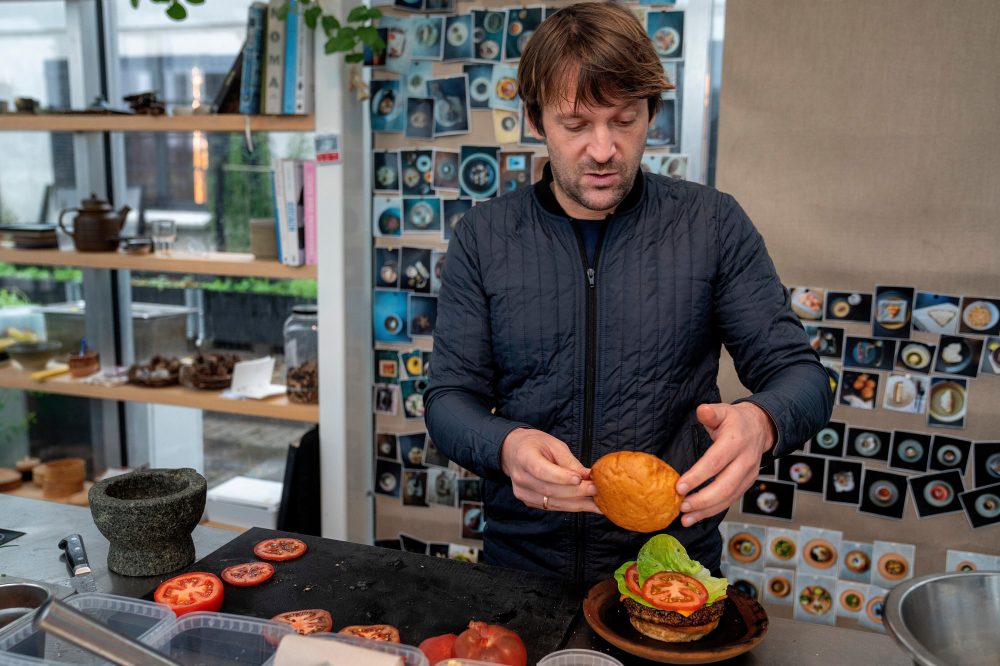

The culinary world is grappling with a major scandal as one of its biggest stars faces serious allegations of workplace abuse. Danish chef Rene Redzepi, founder of the world-renowned Copenhagen restaurant Noma, stepped down from his position Thursday following explosive reports of mistreatment spanning nearly a decade.
The controversy erupted when The New York Times published accounts from dozens of former Noma employees detailing alleged abuse and assault incidents between 2009 and 2017. These revelations have cast a harsh spotlight on the aggressive culture that has long dominated elite restaurant kitchens.
Redzepi, who holds the title of Danish knight and pioneered the “New Nordic” cooking movement, built Noma into a culinary empire. The restaurant earned three Michelin stars and claimed the top spot on the World’s 50 Best Restaurants List five times. However, whispers about staff mistreatment and the use of unpaid interns had followed him for years.
The timing couldn’t have been worse for the celebrity chef. The abuse allegations surfaced just as Noma launched a $1,500-per-person pop-up location in Los Angeles. Sponsors quickly withdrew their support, and the Wednesday opening drew a small group of protesters. Hours later, Redzepi posted an emotional video on Instagram announcing his departure. “An apology is not enough,” he stated. “I take responsibility for my own actions.”
Former staff members described a pattern of behavior that allegedly included physical violence, threats of career sabotage, and intimidation tactics. According to their accounts, Redzepi would punch team members, poke them with kitchen utensils, and threaten to have them banned from the industry or even have their families removed from the country.
Jason Ignacio White, who previously led Noma’s fermentation laboratory, gathered anonymous testimonials from alleged victims and shared them on social media. These posts have garnered millions of views, amplifying the voices of those who say they suffered in silence.
“Noma destroyed my passion for the industry,” read one account. “I struggled with intense anxiety, bad enough to give me panic attacks in the middle of the night. The trauma, abuse and idea that nothing would ever change all led me to walk away from the career.”
This scandal has reignited debate about the “brigade de cuisine” system that governs most professional kitchens. This hierarchical structure, created by French chef Georges Auguste Escoffier in the early 1900s, was modeled after military organization. It assigns specific roles to each kitchen worker, from head chef down to sauce specialists, grill operators, and fish preparers.
While designed to promote efficiency and coordination through clear commands like “Hand!” and “Yes, chef!”, this system has historically enabled harsh treatment and verbal abuse. Even Escoffier noted that his mentor believed kitchen management was impossible “without a shower of slaps.”
Author George Orwell, who worked as a dishwasher in Paris, captured the brutal reality of kitchen hierarchy in his 1933 book “Down and Out in Paris and London.” He described a chain of yelling and intimidation where each level took out frustrations on those below them. “A plongeur is one of the slaves of the modem world,” Orwell wrote. “He is no freer than if he were bought and sold.”
Modern restaurant kitchens remain notoriously demanding workplaces, combining extended shifts, cramped conditions, rigid hierarchies, physically demanding tasks, and constant pressure. The emergence of celebrity chefs as artistic visionaries in the 1970s, along with the pursuit of Michelin-star recognition, has only intensified these pressures.
London chef Marco Pierre White, who mentored Gordon Ramsay, famously called his kitchen at Harveys restaurant “my theatre of cruelty” in his memoir “The Devil in the Kitchen.” He bragged about subjecting his staff to intense verbal attacks. Anthony Bourdain’s bestselling book “Kitchen Confidential” further romanticized this aggressive environment, describing workplaces filled with “heated argument, hypermacho posturing and drunken ranting.”
However, academic research reveals the serious psychological toll of such environments. A 2021 Cardiff University study involving 47 elite chefs found that isolated kitchen environments can create what researchers called a “geography of deviance.” This leads to “feelings of invisibility, alienation and detachment” among junior staff members.
The study also determined that abusive chef behavior can transform a kitchen into “an instrument of social withdrawal and a symbol of deviance around which the community pivots.”
Former employees told The Times that Redzepi would continue his alleged intimidation tactics even in Noma’s open kitchen design. When customers were present in the dining area, he would reportedly crouch beneath counters to jab staff members in the legs with his fingers or kitchen tools.
Many young chefs endure such treatment because they fear losing the chance to learn from industry leaders or damage their future career prospects. This dynamic was portrayed in the hit television series “The Bear,” where the main character Carmy Berzatto tolerates severe abuse to train under a world-class chef.
Noma, whose name combines the Danish words “Nordisk” and “Mad” (meaning Nordic and food), opened in 2003 with a mission to “rediscover wild local ingredients by foraging and to follow the seasons.” The restaurant became so influential that it featured in “The Bear” as the training location for two main characters, with Redzepi himself making a guest appearance.
This wasn’t Redzepi’s first time facing public scrutiny over his behavior. The 2008 documentary “Noma at Boiling Point” showed him shouting at kitchen staff, and he has issued multiple public apologies over the years. In a 2015 essay, he admitted to being “a bully for a large part of my career” and acknowledged that he had “yelled and pushed people” and been “a terrible boss at times.”
Even then, Redzepi seemed to understand that such behavior was driving away talented young workers and threatening the future of fine dining. “The only way we will be able to reap the promise of the present is by confronting the unpleasant legacies of our past,” he said, “and collectively forging a new path forward.”
Robin Burrow, an organization studies professor at the University of York, points to systemic issues within the restaurant industry that make change difficult. “The resources aren’t there for self-policing,” Burrow explained. “The general feeling, though, is that things are so tough even for very good chefs that this kind of culture ends up being inevitable.”
The Redzepi scandal represents a watershed moment for an industry already struggling with thin profit margins and lacking traditional human resources infrastructure. As the culinary world watches this situation unfold, many are questioning whether the era of kitchen intimidation and abuse is finally coming to an end.