
Despite escalating fuel costs from the ongoing Iran conflict impacting global travel, affluent individuals including business executives, celebrities, and athletes are increasingly turning to private aviation for luxury destinations and prestigious events.
This trend reflects what industry experts describe as a “K-shaped” economic recovery, where wealthy consumers continue spending freely while middle and lower-income travelers reduce their travel budgets, particularly affecting discount airlines.
Aviation fuel expenses have approximately doubled since the conflict began in late February, compelling commercial airlines to eliminate routes and increase fares. Additionally, military strikes near the Gulf region have reduced flights by nearly half in what was previously a major international travel hub.
“The world is in turmoil, but not our passengers,” said Deniz Weissenborn, owner of Platoon Aviation, which operates eight-seat aircraft charters. He explained that their clientele possesses sufficient wealth to handle increased costs.
“If you fly in a private jet, I don’t think you’re bothered by an increase of 1,000 or 2,000 euros,” Weissenborn added.
Data from aviation analytics company WINGX reveals private flight activity has grown approximately 4% worldwide this year, representing thousands of additional trips. Meanwhile, overall global airline capacity has decreased 3-4% during the same timeframe, according to Cirium aviation data.
Charter aviation professionals report increased bookings as wealthy passengers abandon premium commercial seating options to avoid potential flight cancellations and airport disruptions related to the conflict.
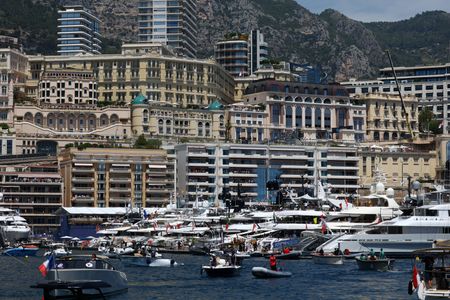
Kolin Jones, founder and CEO of Amalfi Jets, noted approximately 25% more booking requests for Cannes compared to the previous year, while Monaco GP requests increased nearly one-third as travelers shifted from commercial options.
“Lots who could afford it but flew commercial are now happy to pay more for the safer option,” Jones explained. “Cannes Film Festival, Monaco Grand Prix, and World Cup-related travel from Europe to the U.S. are driving demand.”
Eight private aviation executives indicated that while Middle Eastern travel has declined due to airspace safety issues, European and U.S. travel demand may reach unprecedented levels this year.
“It is as busy as ever,” commented Andy Spencer, a private jet pilot operating Middle Eastern and Asian routes.
During February’s U.S. Super Bowl in California, private aircraft traffic at surrounding airports tripled normal levels, WINGX reported. April’s Masters Golf Tournament in Augusta saw private traffic increase tenfold, jumping from under 50 flights to over 400.
“Our customers’ flight hours continue to hit record highs month after month,” Francisco Gomes Neto, CEO of private jet manufacturer Embraer, stated at a May executive aviation exhibition in Sao Paulo, Brazil.
Environmental organizations and activists have criticized private aviation, arguing it highlights global inequality, threatens environmental protection, and lacks adequate regulatory oversight.
A European Business Aviation Association representative defended the industry’s role in European connectivity, calling criticism overly simplified. Manufacturers and charter companies maintain that affluent clients simply seek enhanced security during uncertain periods.
“Every time there are world events, private aviation gets a little bit of a bump, every single time,” said Jason Middleton, owner of Silver Air Private Jets, referencing the Iran conflict, COVID-19 pandemic, and South American unrest.
“It’s like a safety thing…People feel safe when they have control,” Middleton concluded.