
WASHINGTON — Sen. Lindsey Graham, who grew up the son of pool hall owners before becoming one of the most influential American politicians of his era both at home and on the world stage, will be honored Tuesday in a series of memorial services throughout the nation’s capital.
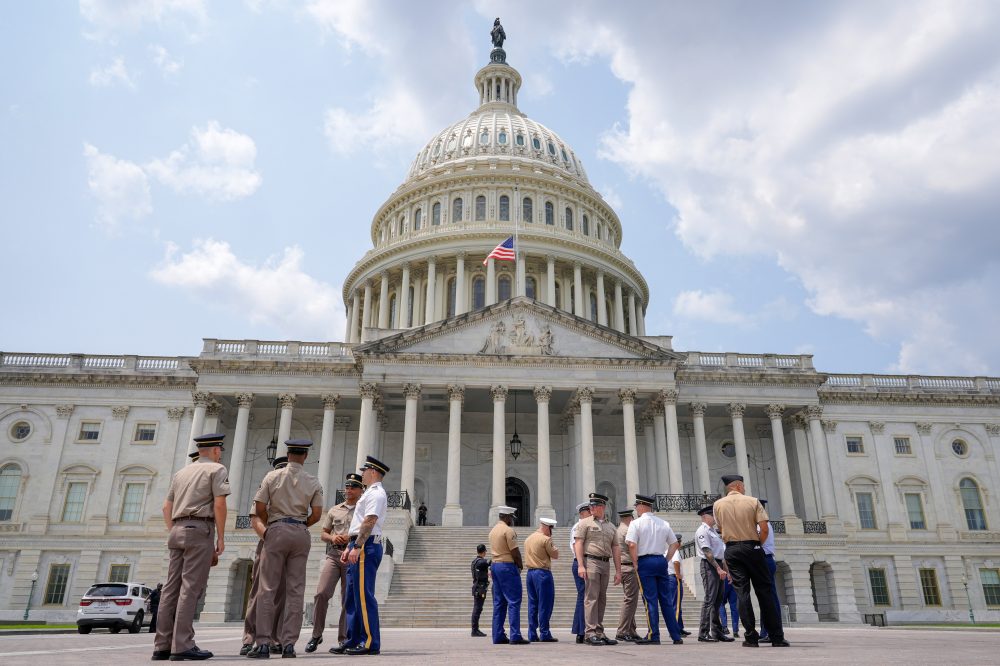
Graham’s remains will first be brought to the U.S. Capitol, where the Republican lawmaker served for more than three decades as a tireless negotiator known for pushing and prodding colleagues into reaching agreements. A funeral service will follow at Washington National Cathedral, drawing lawmakers and foreign dignitaries — a reflection of the significant role Graham played in international affairs.
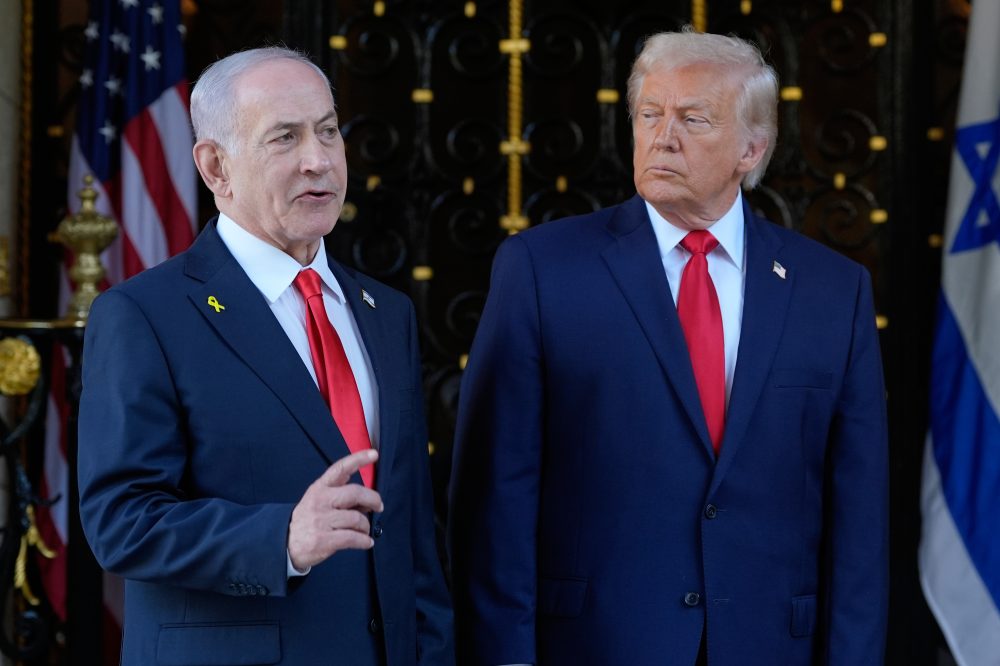
President Donald Trump is scheduled to deliver remarks at the cathedral, joined by Fox News host Sean Hannity and other conservative figures. Israeli Prime Minister Benjamin Netanyahu and Ukrainian President Volodymyr Zelenskyy are both expected to attend, underscoring Graham’s deep belief in American military power and global engagement.
Tuesday’s events mark the beginning of two days of services, with burial planned for Wednesday in his home state of South Carolina. Graham died unexpectedly on July 11 at his Washington home, with preliminary findings pointing to a likely aortic tear. He had just returned from a trip to a NATO summit in Turkey, where he celebrated his birthday, and a visit to Ukraine. He was 71 years old.
The morning Capitol Rotunda ceremony places Graham among a distinguished group of former presidents, military leaders, and prominent Americans who have been honored in that historic space. In acknowledgment of his Air Force service, an Armed Forces Body Bearer Team will carry his remains into the Capitol. Vice President JD Vance is expected to offer remarks.
Senate Majority Leader John Thune said it was entirely appropriate to give Graham a special Capitol tribute “as we say our final goodbyes.”
“For so many of us in the Senate and the House, myself included, Lindsey was more than a colleague, he was a friend,” Thune said.
Graham was first elected to Congress in 1994 as part of the Republican wave that brought the GOP to power, making him one of the first Republicans from his Southern state since Reconstruction. He quickly gained national attention as an impeachment manager during President Bill Clinton’s trial, then won a Senate seat in 2002. In the Senate, he partnered with Sen. John McCain of Arizona and Sen. Joe Lieberman of Connecticut in a trio that became known as the “three amigos,” traveling the globe on national security missions.
Over the course of his career, Graham was a central figure in nearly every bipartisan effort in Congress, known for his ability to adapt and shift with the political winds — especially when it came to his relationship with Trump.
During the 2016 presidential primary, when the two were rivals, Graham publicly called Trump a “kook” who was “unfit for office.” After Trump won the presidency, Graham gradually aligned himself with the new administration — until the January 6, 2021 Capitol riot.
“Count me out. Enough is enough,” Graham declared that night in a passionate speech on the Senate floor.
Within weeks, however, Trump invited Graham to his Mar-a-Lago estate in Florida, and the two rekindled their political alliance. As Trump won a second term in 2024, Graham sought to remain a key voice in the new administration. Sen. Adam Schiff of California described Graham as the “Trump whisperer” — someone other senators and even foreign leaders turned to for insight into the president’s thinking.
Just days before his death, Graham had secured Trump’s backing for a long-sought bipartisan measure to impose sanctions on Russia over its war in Ukraine, one of the most significant U.S. efforts to date to limit Russian President Vladimir Putin’s ability to continue the conflict. Fellow senators said passing the Russia sanctions package would serve as a fitting tribute to Graham, with a procedural vote scheduled for Tuesday. Zelenskyy is also expected to meet with senators Tuesday evening.
The cathedral service will also include several socially conservative and anti-abortion leaders, among them Tony Perkins of the Family Research Council, Marjorie Jones Dannenfelser of Susan B. Anthony Pro-Life America, and the Reverend William Franklin Graham III.
Graham never married, but he devoted much of his personal life to supporting his younger sister, Darline Graham, who has now emerged as a potential Senate successor. She has been appointed by the state’s governor to fill the remainder of his term and is running in what may become a crowded primary for the fall election. The filing deadline for the special primary closes Tuesday, with the election set for August 11.
Graham’s path to prominence was shaped by personal hardship. While he was in college, his mother died of Hodgkin lymphoma. His father died just months later, as Graham was beginning law school. He became the legal guardian of his then-13-year-old sister and later frequently spoke about how Social Security benefits helped keep the family financially stable during that difficult time.
Graham went on to serve as a judge advocate general in the Air Force and remained a reserve or National Guard member for many years. During the Iraq War, he briefly returned to active duty to advise the Air Force. He received the Bronze Star medal in 2014 and formally retired as a colonel in 2015.