
TACOMA, Wash. — A group of four immigration judges in Washington state implemented a controversial detention policy years before it became a nationwide immigration enforcement strategy that overturned decades of established practice.
The refusal to grant bond for numerous individuals facing immigration charges has triggered more than tens of thousands of legal challenges since July, with plaintiffs claiming their constitutional protections against unlawful detention have been violated. The current administration faced a significant legal defeat this month when an appeals court struck down the policy, though two other appeals courts had previously upheld it, potentially leading to a Supreme Court review.
This approach had been in effect for years in Tacoma, where immigration judges at the Northwest ICE Processing Center began refusing bond requests early this decade. Outside of local immigration lawyers, the practice received little attention. However, when the Trump administration implemented the policy last year, it mirrored the judges’ legal reasoning.
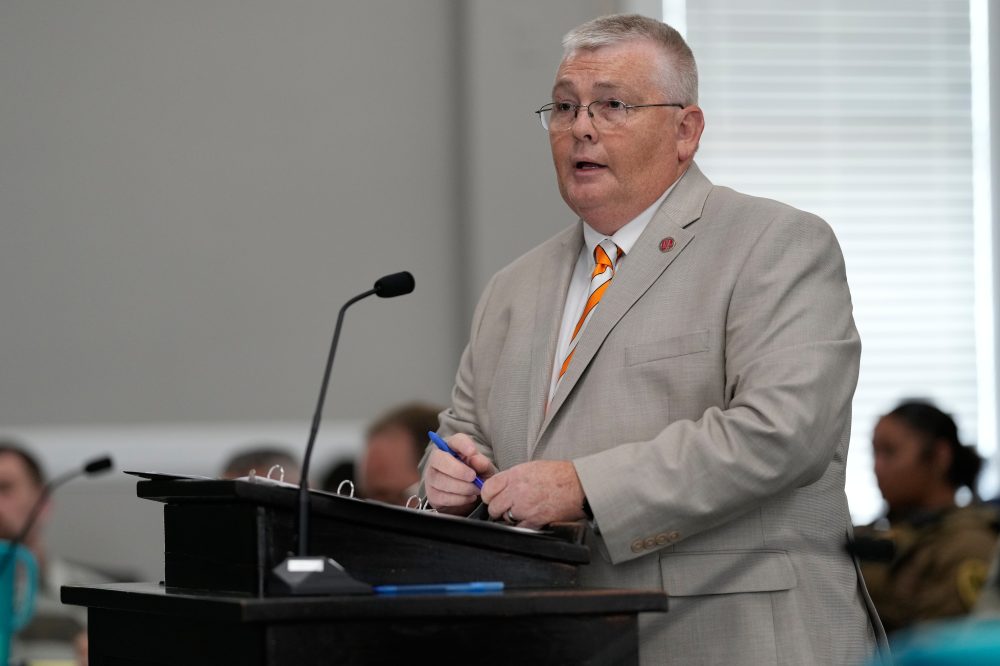
Neil Floyd, the sole judge among the four Tacoma officials willing to speak with The Associated Press, explained that court clerks spent approximately six months researching before the judges concluded that Congress had not given them authority to approve bond requests.
“We made the decision that we were going to do it collectively because it was too big a decision for someone to step out that far on their own,” said Floyd, who became the top federal prosecutor in Seattle during President Donald Trump’s second term.
The judges based their decision on a 1996 statute declaring that “applicants for admission” to the United States must remain in custody. This law had traditionally been understood to apply to individuals who recently crossed the border illegally. Those who had lived in the country for extended periods fell under different regulations that permitted bond hearings.
The Tacoma judges appear to be unexpected leaders of such significant policy changes. All four officials — Theresa Scala, who served as chief Tacoma judge at the time; John Odell; Tammy Fitting; and Floyd — began their legal careers representing U.S. Immigration and Customs Enforcement, yet each approved asylum requests at rates somewhat above national averages.
Floyd, who departed Tacoma following Trump’s inauguration last year to provide immigration law guidance to the FBI before assuming his current role, described the judges’ determination as a fairness issue rooted in legal interpretation.
“It is the right interpretation of the law, and it’s the only fair one, because if you enter the United States the right way, by coming and knocking on the door to ask for asylum at a port of entry, the law is 100% clear,” Floyd said. “And it has been from the beginning that you are detained until we decide whether or not we’re going to let you in.”
Immigration attorneys in Tacoma expressed shock at the development. They searched nationwide for similar practices but found none.
“It was from our perspective, a pretty blatantly prosecutorial push to keep people locked up,” said Matt Adams, an attorney for Northwest Immigrant Rights Project, which sued over the practice. The case has not yet been scheduled for trial.
The lawsuit, filed in March 2025, alleges that the Tacoma judges ignored decades of precedent.
The Justice Department’s Executive Office for Immigration Review, which operates more than 70 immigration courts nationwide, did not respond to requests for comment.
In July, ICE announced a major change that mirrors the Tacoma judges’ view, stating that immigrants who have been in the U.S. for years are “applicants for admission” if they didn’t enter the U.S. legally and, as a result, were subject to mandatory detention.
The agency started opposing all bond hearings. The Justice Department’s Board of Immigration Appeals, which establishes policy for courts, supported ICE’s position in September.
The population in ICE custody approximately doubled last year, reaching a peak of around 75,000 in January. ICE intends to spend $38.3 billion to expand detention capacity to 92,300 beds by November’s end, primarily through opening warehouses, or “megacenters,” designed to hold up to 10,000 individuals each. Judges report that extensive ICE raids have intensified the burden.
Previously eligible for bond consideration, approximately 2 million immigrants now face mandatory detention if apprehended. Immigrant detainees have submitted more than 40,000 lawsuits since Trump returned to office 16 months ago, according to an AP tally.
Despite the Trump administration’s position, many immigrants have found success in federal courts. Some federal judges have ordered immediate release, while others return cases to immigration court for bond proceedings.
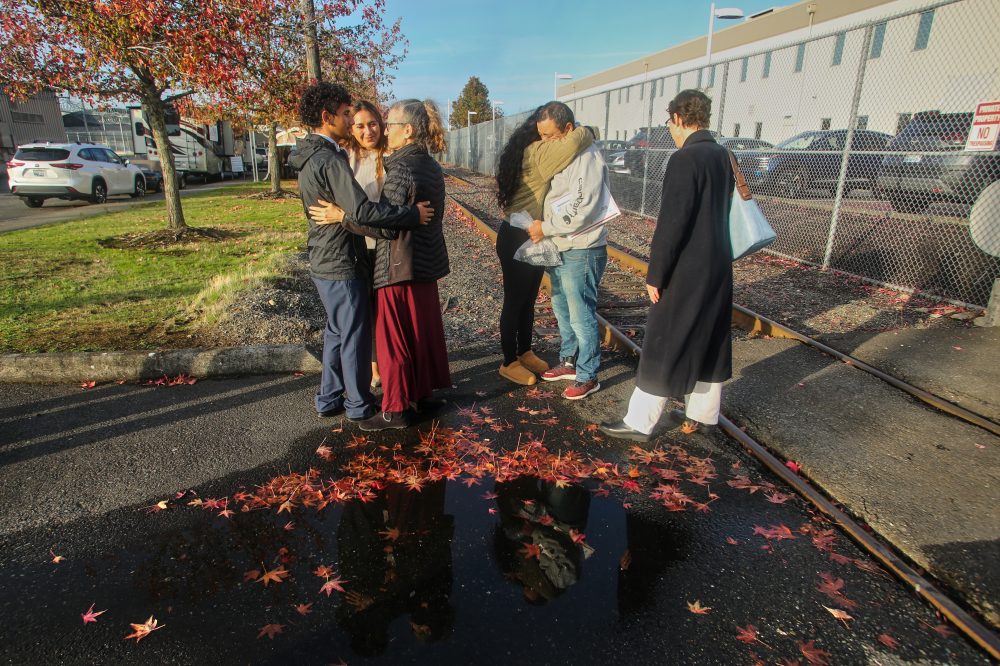
Victor Cruz, a handyman in Portland, Oregon, spent 24 days in the Tacoma detention center after ICE agents arrested him without a warrant. An immigration judge granted him a bond hearing, and he was released in October. He won his immigration case in February.
Cruz, 56, has U.S. citizens in his immediate family and spends weekends playing with his grandchildren. He keeps a folder in his car with all his immigration documents, wary that immigration authorities could detain him again. He said that he met people in detention who had “been there six months, nine months.”
On a recent Friday in Tacoma, Fitting — one of the original four judges — held bond hearings under orders of a federal judge.
She denied bond for an Oregon dishwasher with a 2002 drunken-driving conviction. But she granted $14,000 bond to another immigrant with no criminal record, while saying that his pathway to legal status is tenuous.