
LUSAKA – Washington has publicly rebuked Zambia for refusing to participate in negotiations over a massive health assistance package worth more than $1 billion, with American officials saying their repeated attempts at communication have been disregarded as a key April 30 deadline came and went without an agreement.
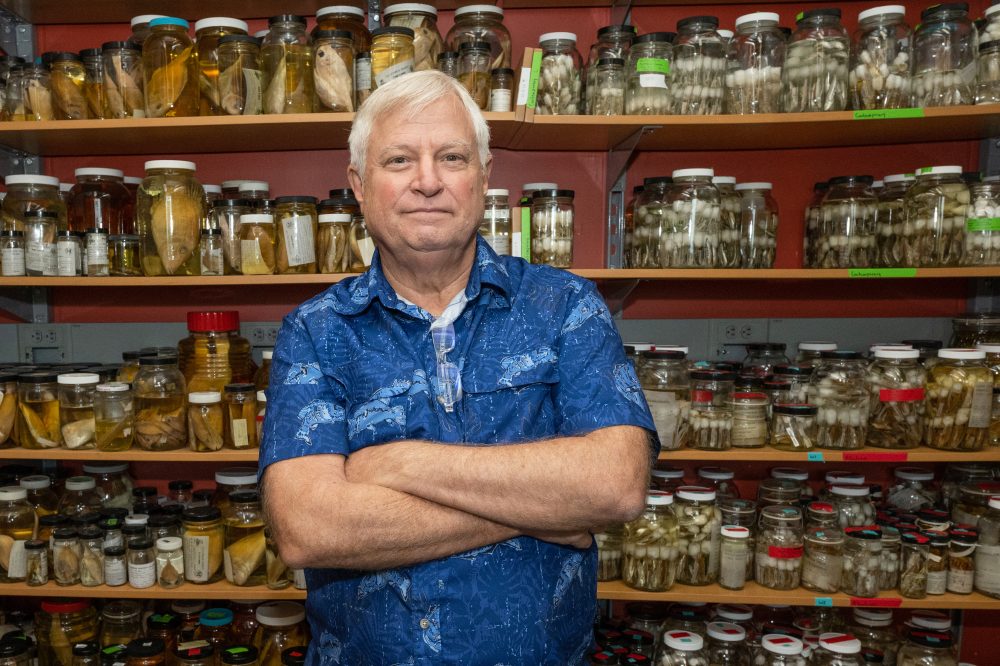
Departing U.S. Ambassador Michael Gonzales stated that the inability to complete the memorandum of understanding has resulted in funding operating without structure, lacking a unified strategy for programs addressing HIV, malaria, maternal and child health, and disease readiness.
“Instead of continuing to languish without engagement, the actual funding under our Health MOU should have started this month,” Gonzales stated during Thursday evening comments as he prepared to conclude his diplomatic assignment.
Healthcare advocacy groups have raised concerns that the agreement connects financial assistance to mining privileges and creates potential data security vulnerabilities. Gonzales dismissed what he termed “disgusting and patently false” claims that Washington was threatening to block essential medical support “unless we get critical minerals.”
Zambian Presidential Spokesperson Clayson Hamasaka indicated his government would communicate with Washington using proper diplomatic procedures.
“We appreciate the support we have received from the U.S. and other countries…If there are any concerns, we are open to dialogue but that should be done through laid down diplomatic channels,” Hamasaka responded to Gonzales’ statements.
The blocked agreement has created tensions after Washington previously reduced assistance due to stolen donated medications, highlighting administrative problems within Zambia’s healthcare infrastructure.
The deal also mandates approximately $340 million in matching funds from Zambia’s government during the same timeframe, based on a draft document examined by Reuters.
Gonzales reported that Washington had encountered “effectively zero substantive engagement” from Zambian leadership since January, with phone calls remaining unanswered and scheduled meetings being canceled, blocking productive discussions about future collaboration.
The deal was originally scheduled for signing in November but encountered delays after updated versions were distributed.
Gonzales emphasized that America would maintain its established commitment to Zambian citizens, including supplying antiretroviral medications and stopping mother-to-child HIV transmission, but cautioned that extensive aid would require substantial improvements.