
Wall Street’s largest financial institutions had plenty to celebrate this earnings season, as a combination of booming deal activity, volatile markets, and resilient consumers pushed second-quarter profits well above expectations.
Here is a look at the major themes driving results at the biggest U.S. banks — institutions whose performance often sets the tone for the broader earnings season.
A Banner Quarter for Investment Banking
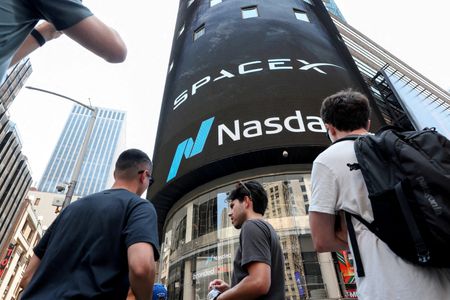
A wave of massive initial public offerings and multi-billion-dollar corporate deals sent investment banking fees soaring to their highest point since the pandemic-fueled boom of 2021. The standout moment was the landmark stock market debut of Elon Musk’s SpaceX.
According to data from Dealogic, global investment banking revenue surpassed $60 billion during the first half of the year. JPMorgan led all competitors in the rankings, with Goldman Sachs and Morgan Stanley following behind.
Bank executives pointed to healthy deal pipelines and strong backlogs heading into the second half of the year, raising hopes that the investment banking “super cycle” has more room to run.
Trading Desks Thrive Amid Market Swings
Stock trading operations posted exceptional results as choppy markets kept activity elevated throughout the quarter. Concerns about artificial intelligence, tensions in the Middle East, and swings in energy prices all drove clients to make moves.
Market turbulence tends to benefit trading desks, as sharp price swings prompt investors to rebalance portfolios, manage risk, and take advantage of short-term opportunities.
Loan Demand Supports Interest Income
Consistent borrowing demand helped push net interest income higher in the second quarter. Consumers showed continued financial resilience, with spending remaining healthy and supporting loan activity.
“Consumer spending is solid, consumer credit remains durable and commercial defaults appear to be declining,” said Brian Mulberry, senior client portfolio manager at Zacks Investment Management, a firm that holds shares in several bank stocks.
Although the possibility of an interest rate increase later this year — tied to ongoing inflation concerns — could put pressure on future loan growth, analysts noted that second-quarter results came in ahead of forecasts. Bank executives said the U.S. economy continues to show strength and that they have not yet seen any notable shift in how consumers are behaving.
All Six Major Banks Beat Profit Estimates
Every one of the six largest U.S. banks topped Wall Street’s second-quarter profit expectations. Analysts and investors described the magnitude of those earnings beats as “extraordinary.”
Among the highlights: JPMorgan posted the highest quarterly profit ever recorded by a U.S. bank; Goldman Sachs beat estimates on the back of a trading boom and a flurry of corporate deals; Wells Fargo exceeded forecasts on trading gains and loan growth; Bank of America set trading records amid market volatility; Citigroup shares dipped as investor concern over expenses overshadowed its profit beat; and Morgan Stanley topped estimates on strong dealmaking and trading results.