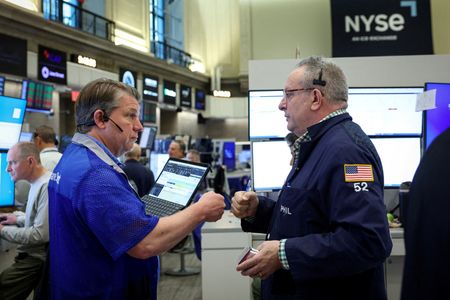

Financial markets experienced a dramatic surge Wednesday as investor optimism mounted over the possibility of an imminent peace agreement between the United States and Iran, while technology giant Nvidia saw its shares fluctuate in extended trading following quarterly earnings.
Market analyst Jamie McGeever noted that equities climbed while petroleum prices and government bond yields declined sharply amid speculation that diplomatic progress could ease regional tensions.
In his market analysis, McGeever examined President Donald Trump’s shifting stance on monetary policy. As inflation pressures mount and borrowing costs rise, Trump has moderated his previous demands for incoming Fed Chair Kevin Warsh to implement interest rate reductions.
The trading session delivered broad-based gains across major indices, with U.S. markets posting advances of 1% or higher and Brazilian markets jumping 2%. Asian markets showed mixed results while European exchanges gained 1%, with British markets leading at 1.5%.
Within individual sectors, technology shares advanced 2% while consumer discretionary stocks climbed 2.5%. Energy companies bucked the trend, falling 2.6% as crude oil prices tumbled. Aviation stocks soared 9% and semiconductor shares gained 4.5%, though Nvidia experienced volatile after-hours trading following its earnings release.
Currency markets saw the dollar weaken 0.2% against a basket of major currencies, while Australian, New Zealand, and South African currencies posted the strongest gains among developed and emerging market currencies respectively.
Government bond markets rallied significantly, with 10-year Treasury yields dropping 10 basis points despite a disappointing 20-year bond auction. British government bond yields posted double-digit declines across all maturities.
Commodity markets reflected geopolitical optimism as crude oil prices plunged 5.5%, even as U.S. petroleum inventories showed a sharp decline.
Regarding potential diplomatic breakthroughs, Trump indicated negotiations have reached the “final stages,” though market observers noted similar claims have emerged previously without resolution. Wednesday’s market action suggested investors believe this round of discussions may yield different results.
The petroleum price collapse, Treasury market rally, and equity gains that ended a three-day losing streak demonstrated significant pent-up demand for risk assets. However, analysts cautioned that failed negotiations combined with disappointing technology earnings could create market volatility.
Consumer spending resilience remained a focal point as major retailers reported quarterly results. Target delivered strong performance and doubled its sales growth projections while expressing caution about future conditions. TJX, which operates discount retailer TJ Maxx, raised its outlook as budget-conscious consumers sought value deals, suggesting shoppers are becoming more selective with spending.
In international monetary policy discussions, U.S. Treasury Secretary Scott Bessent offered pointed commentary about Japanese central banking independence during a Reuters interview in Paris. Regarding Bank of Japan Governor Kazuo Ueda, Bessent stated he would “undoubtedly do a great job if they will give him the room to do what he will do.”
This apparent criticism of Prime Minister Sanae Takaichi highlighted ongoing global debates about central bank autonomy and their ability to operate without political interference, a discussion particularly relevant in current U.S. policy circles.
Looking ahead, market participants will monitor Middle East developments closely while awaiting key economic data including manufacturing surveys from Japan, Europe, Britain, and the United States. Additional focus will center on employment data from Australia, trade figures from New Zealand and Japan, and speeches from Bank of England officials.
Domestic economic indicators will include weekly unemployment claims and the Philadelphia Federal Reserve’s regional manufacturing index, while the Treasury Department conducts a $19 billion auction of inflation-protected securities. Walmart’s earnings report will provide additional insight into consumer spending patterns.