
Wall Street experienced another turbulent trading session Monday as investors wrestled with fresh concerns about artificial intelligence and ongoing uncertainty surrounding U.S. trade policies, sending major stock indices down more than 1%.
The market decline was driven primarily by selling in software and payment processing companies, sectors that remain most exposed to potential disruption from advancing AI technology.
Adding fuel to investor anxiety was a widely-circulated research report from Citrini Research that painted dire scenarios for employment and economic stability if artificial intelligence deployment accelerates rapidly. The analysis, which some described as resembling a futuristic disaster film, gained traction over the weekend despite coming from a relatively unknown research firm.
The report’s influence highlighted the broader market nervousness surrounding AI developments, though stock futures appeared to stabilize ahead of Tuesday’s trading as investors await earnings results from semiconductor leader Nvidia.
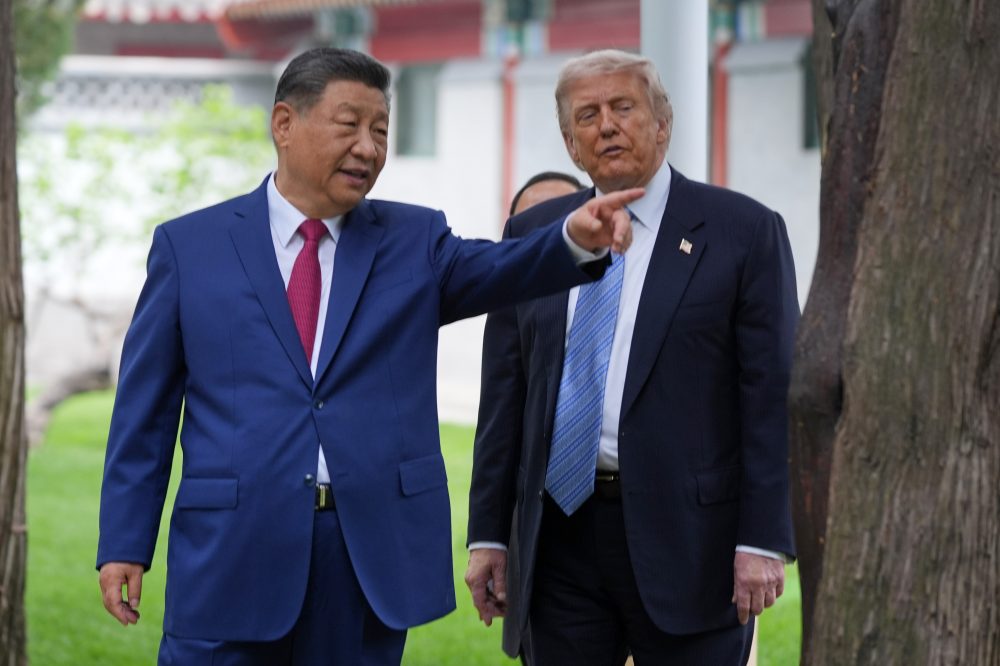
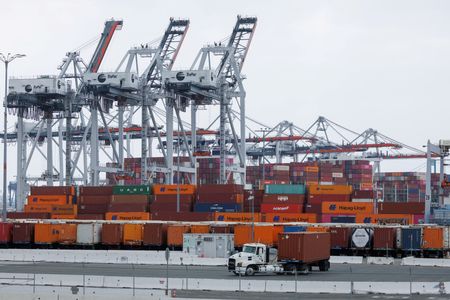
Trade policy uncertainty added another layer of market confusion as new tariffs took effect Tuesday at 10% rather than the 15% rate President Trump had announced over the weekend. The discrepancy has intensified international calls for clearer direction on U.S. trade strategy.
Multiple nations are questioning whether existing bilateral trade agreements remain valid, along with previous commitments to increase U.S. investment. The European Union has postponed approval of its agreement with Washington from last year, while the United Kingdom warned of possible retaliatory measures if their deal isn’t respected.
These economic headwinds create a challenging environment for President Trump’s State of the Union address scheduled for Tuesday evening, potentially pushing him to focus more heavily on foreign policy matters like the Iran standoff rather than his economic agenda.
Oil markets continued their upward climb Tuesday ahead of Thursday’s third round of nuclear negotiations between the U.S. and Iran. Notably, Brent crude prices turned positive year-over-year for the first time in more than 12 months, raising concerns among those watching inflation trends.
U.S. Treasury bonds held steady as investors prepared for major bond auctions later this week.
In international markets, Chinese stocks jumped 1% as mainland exchanges reopened following New Year holidays. The yuan extended its 2026 rally against the dollar, reaching its strongest position in nearly three years.
Japan’s currency weakened further amid reports that Prime Minister Sanae Takaichi expressed reservations about additional Bank of Japan interest rate increases. China’s decision to ban exports of dual-use materials to 20 Japanese companies accused of supplying Japan’s military also pressured the yen, though Japanese and South Korean stock indices both gained ground Tuesday.
In pharmaceutical news, Novo Nordisk shares plummeted 16% to their lowest levels since 2021 after the company revealed its next-generation obesity treatment CagriSema failed to outperform Eli Lilly’s Zepbound in direct comparison trials. The setback represents another blow for Novo in the increasingly competitive weight-loss medication market, with the company’s market value now sitting at $183 billion—less than one-third of its peak from early last year.
Key events for Tuesday include the Conference Board’s February Consumer Confidence Index release at 10:00 AM, President Trump’s State of the Union speech at 9:00 PM, a U.S. 2-year Treasury note auction, and speeches from multiple Federal Reserve officials including Raphael Bostic, Susan Collins, Austan Goolsbee, and Thomas Barkin.