
RICHMOND, Va. — After almost twenty years of tax incentives that transformed Virginia into the world’s largest data center hub, state senators are moving to eliminate breaks worth $1.6 billion per year to the tech industry.
The Senate proposal would force data center companies to start paying at least 5.3% in sales taxes on their equipment and software purchases. Industry representatives warn this change could bring new construction to a complete stop.
“We have now left the ‘NIMBY’ phase: Not In My Backyard,” Republican state Sen. Mark Obenshain said last month. “And we’ve entered the ‘banana’ phase: Build Absolutely Nothing Anywhere Near Anything.”
Virginia’s rise as a data center powerhouse began eighteen years ago when the state offered tax breaks to attract tech companies. The strategy worked beyond expectations, with the industry investing over $80 billion and generating thousands of jobs in just the past two years, according to state tax officials.
The push to end these incentives reflects nationwide concerns about data centers’ massive power consumption and impact on local communities. These facilities now rival small cities in their electricity needs, straining power grids as artificial intelligence drives demand even higher.
The Data Center Coalition, representing major tech companies, claims the proposed tax would “effectively halt investment” in Virginia. However, development continues, with Amazon Data Services purchasing land from George Washington University this month for another northern Virginia facility.
The Senate’s bipartisan vote — 21 Democrats and seven Republicans supporting the measure — has created friction within the Democratic Party as budget negotiations intensify before Saturday’s deadline.
Gov. Abigail Spanberger’s office expressed concern about “going back on Virginia’s commitments to businesses that have invested in the Commonwealth.”
Democratic Sen. L. Louise Lucas, who leads the finance committee and backs the tax change, responded on X: “Gov. Spanberger thinks our chicken isn’t cooked — then what is the Senate supposed to pluck out of our budget? Raises for teachers, health insurance assistance, transit support, a tax rebate, or childcare slots?”
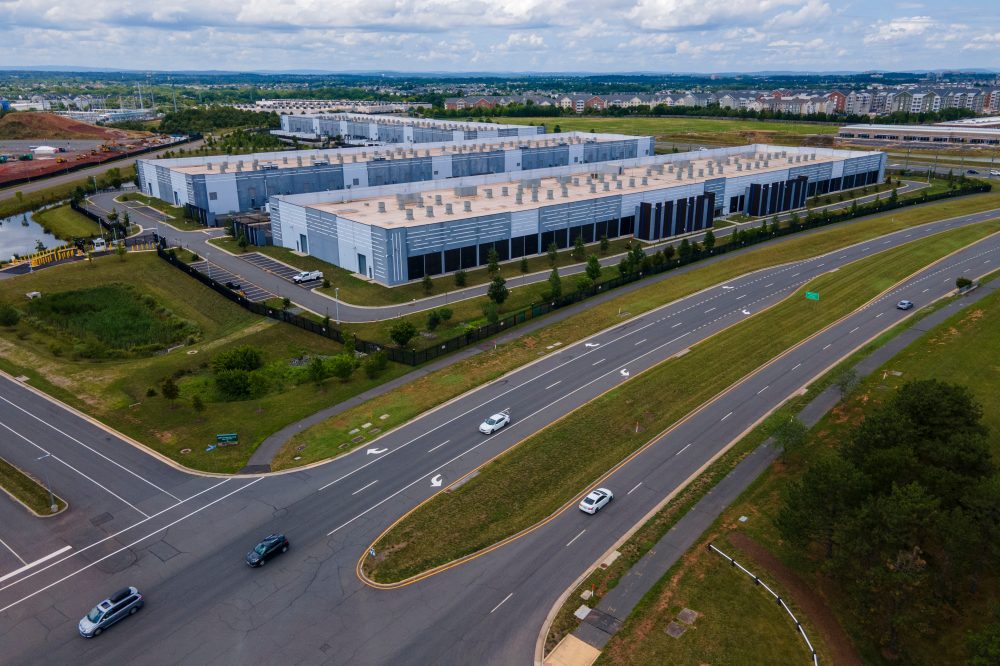
The debate comes as data centers have evolved into sprawling complexes of server warehouses, electrical substations, and backup generators that dwarf traditional factories and stadiums. Many require more electricity than utilities have ever provided to a single customer.
House Democrats oppose eliminating the tax breaks, setting up a confrontation with senators as lawmakers race to finalize the state budget.
Republican Sen. Richard Stuart believes removing the incentives won’t slow Virginia’s data center boom: “This ain’t going to slow this train down one iota.”
Virginia isn’t alone in reconsidering data center tax policy. Minnesota eliminated sales tax exemptions on electricity for the largest facilities last year while adding usage fees and stricter regulations including water use oversight.
Washington state legislators are advancing a bill to maintain tax breaks for new data centers while ending them for existing facilities upgrading equipment — a change worth $83 million in the first year.
Illinois Gov. JB Pritzker called for a two-year “pause” on data center incentives last month, citing rising residential electric bills. Arizona Gov. Katie Hobbs wants to completely eliminate her state’s sales tax exemption, calling it a “corporate handout.”
Similar repeal bills have been introduced this year in Arizona, Michigan, and Georgia, though tech companies continue aggressive lobbying efforts in state capitals.
Georgia passed legislation for a two-year pause on data center tax exemptions, but Gov. Brian Kemp vetoed the measure in 2024.
Virginia senators still face organized opposition. The International Brotherhood of Electrical Workers has lobbied lawmakers to preserve the data center industry.
“We need this industry,” said Dorian Hargrave, a Virginia-based electrical worker, in a statement. “If we lose it, our economy is going to take a very big hit.”