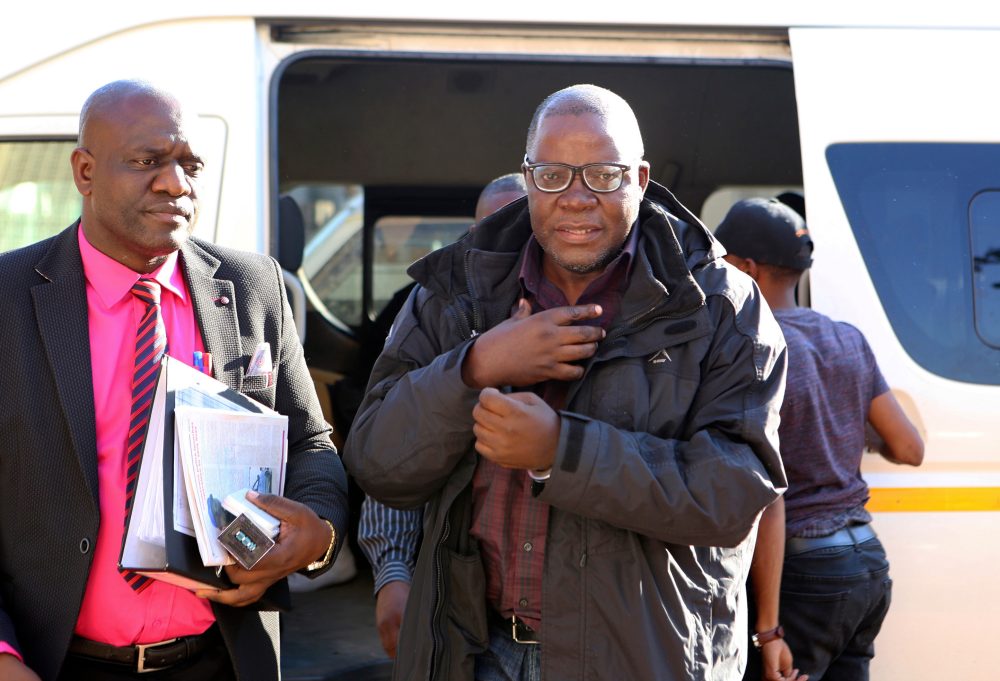

HARARE, Zimbabwe — Violence erupted during a public parliamentary session in Zimbabwe’s capital on Tuesday as lawmakers heard testimony about proposed constitutional changes that could keep the nation’s 83-year-old president in office longer.
The meeting at a Harare sports facility became chaotic when supporters of extending the presidential term physically assaulted prominent human rights attorney Doug Coltart, leaving him injured. The attackers damaged his eyeglasses, stole his mobile phone, and left him with bruises as he attempted to leave the venue.
Coltart was among several critics who walked out of the session to protest the intimidating atmosphere that dominated the proceedings. Supporters of the term extension pushed and struck him while shouting their backing for the constitutional changes.
The proposed modifications would permit President Emmerson Mnangagwa, who previously served as a guerrilla fighter, to continue governing for an additional two years past his scheduled departure in 2028. The changes would also transfer presidential selection authority from voters to Parliament and extend both presidential and legislative terms from five to seven years.
These nationwide hearings represent a required procedural step before parliamentary members cast their votes on the legislation, although public feedback does not legally bind Parliament’s decision.
According to Tendai Biti, who leads the Constitutional Defenders Forum opposing these proposals, critics at multiple hearings that started Monday across Zimbabwe faced hostile crowds who shouted them down, intimidated speakers, or prevented them from participating entirely.
Biti, who previously served as finance minister, gained his freedom on bail last week following his detention for allegedly conducting an unauthorized gathering against the amendments.
Earlier this month, another opposition leader required hospitalization after unidentified attackers beat him following a meeting about the proposed changes. The victim claimed police officers carried out the assault, though law enforcement denied involvement and stated the gathering had been prohibited.
Government officials have dismissed claims they are silencing opposition voices, maintaining that the reform process follows legal procedures. While Mnangagwa has stated he plans to leave office when his second term concludes in 2028, he has not publicly criticized his ruling ZANU-PF party’s efforts to extend his presidency.
Mnangagwa assumed leadership following a widely supported military takeover in 2017 that removed Zimbabwe’s long-serving ruler, the late Robert Mugabe. He subsequently secured victory in contested elections during 2018 and 2023, both of which drew criticism from international rights organizations for alleged suppression of opposition candidates and their supporters.
Opposition voices maintain that any attempt to lengthen presidential terms must receive voter approval through a nationwide referendum.