
CARACAS, Venezuela — Venezuelan joy carries a unique intensity. It resonates more powerfully, sounds more thunderous, and cuts more profoundly than ordinary celebration.
Perhaps this stems from its rarity. Maybe it’s because authorities have suppressed such expressions, forcing citizens to silence themselves to avoid imprisonment. Or it could be that genuine happiness has seemed impossible to achieve, both personally and as a nation.
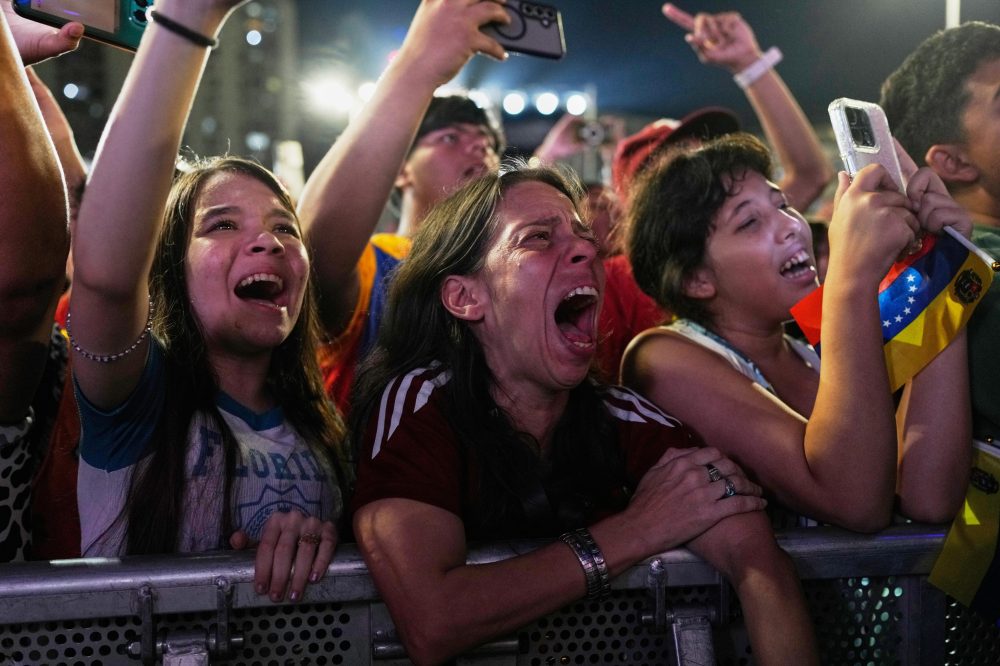
Yet the entire country experienced this profound emotion Wednesday. Citizens wept, cheered, danced, embraced, and toasted following Venezuela’s stunning 3-2 triumph over the United States in the World Baseball Classic championship the night before.
“We couldn’t express this joy that we wanted to proclaim,” said hairdresser Deyanira Machado while standing outside a Caracas beauty salon.
Unlike many situations in the country, this televised result was definitive. The outcome wouldn’t shift in upcoming hours or days. No one could dispute its meaning. Citizens of all ages, regardless of political involvement or economic status, finally released years of pent-up tension.
“We had that happiness stored away to unleash it properly one day, like last night, and even better than last night,” Machado explained.
This championship came during two turbulent months for Venezuelan citizens.
The year began with their authoritarian leader of nearly 13 years, Nicolás Maduro, being secretly taken by U.S. forces and appearing in handcuffs in New York City. Subsequently, they watched the White House collaborate with government supporters rather than opposition leaders to attempt national reform.
While thousands of Venezuelans living overseas celebrated Maduro’s removal, no one within the country dared publicly show even slight approval. Severe government crackdowns, especially following the 2024 presidential race, had conditioned them to suppress any statements or feelings that might seem hostile.
Joy, like dissent, faced surveillance. Citizens who celebrated what substantial credible proof demonstrated was an overwhelming opposition victory became government targets after election officials proclaimed Maduro victorious without providing supporting evidence. Social media activity and WhatsApp updates were sufficient grounds for imprisonment.
Anxiety, rage, and disillusionment grew. Even local community chats fell silent as conflicts with neighbors became too dangerous.
Venezuelans adjusted once more, constantly anticipating the next crisis. Adults concentrated entirely on “resolver” — managing daily survival by working multiple jobs just to purchase food. Extreme inflation transformed everything beyond basic needs into luxuries.
Acting president Delcy Rodríguez proclaimed a national “day of joy” following the game’s conclusion, establishing a holiday for all except essential personnel. Not that anyone required official permission to skip obligations. The decision was automatic once the final out was recorded and celebrations erupted.
Residents throughout Caracas banged cookware as honking vehicles and motorcycles created chaos on roadways. Venezuelans gathered in public squares sang their national anthem with tears flowing. The capital appeared completely awake long after midnight. Shopping carts at all-night markets overflowed with beer purchases.
Pure elation flooded streets and online platforms well into Wednesday. The national colors of red, yellow, and blue decorated windows, fluttered from motorcycles, and served as makeshift scarves.
“This championship isn’t just about a baseball game, as people may think,” said hospital worker Lanjhonier Lozada while walking to his job Wednesday, carrying a Venezuelan flag and celebrating with equally ecstatic strangers.
“This game is historic. Words fail me,” he continued. “We are world champions! Who would have imagined it?”
Who indeed would have predicted this? The countless young players in community leagues who aspire to Major League careers certainly dreamed of it. However, their parents might have found such possibilities harder to envision. Adults have been worn down by a crisis that forced over 7.7 million Venezuelans to abandon their homeland and led global leaders to use their country’s name as shorthand for disaster.
When the team hoisted their trophy, they elevated Venezuelan spirits worldwide.
“This triumph isn’t just celebrated in Venezuela. In every corner of the world, there is a Venezuelan,” observed Yenny Reyes, mother of two young baseball enthusiasts.
“I’m convinced that this is Venezuela’s year,” she declared. “This is the beginning of many good things to come for Venezuela.”