
American and Iranian officials are sitting down together in Switzerland this Sunday, working to iron out the finer points of a temporary agreement intended to bring an end to the ongoing Iran war.
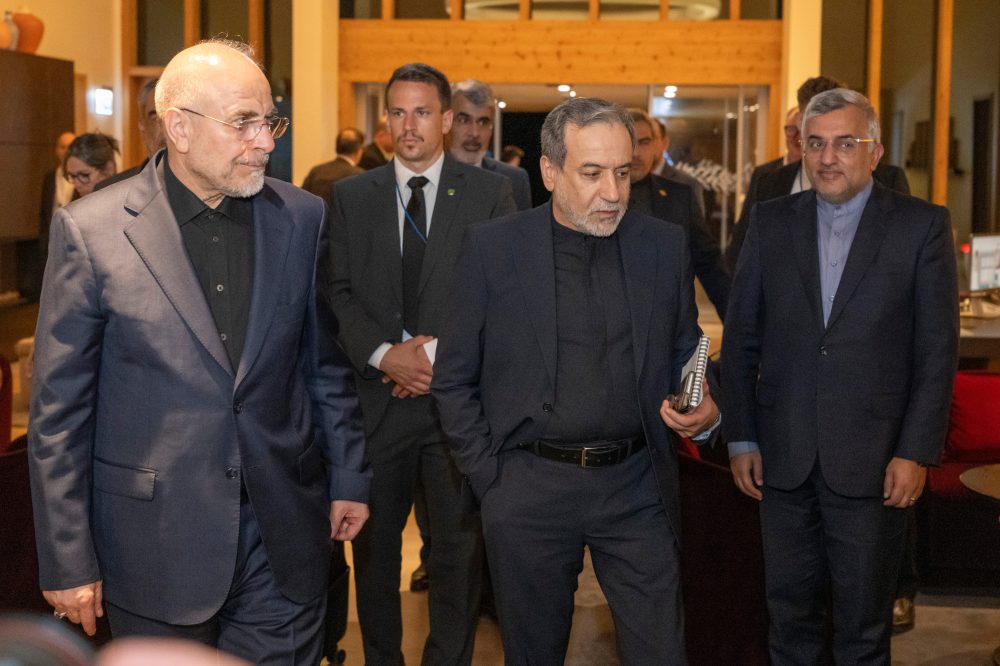
The U.S. delegation is being led by Vice President JD Vance and includes Jared Kushner and Steve Witkoff. They are set to meet with an Iranian team headed by parliamentary Speaker Mohammad Bagher Qalibaf and Foreign Minister Abbas Araghchi.
Representatives from Pakistan and Qatar are also participating in the technical-level discussions, which aim to resolve a conflict that first broke out in late February.
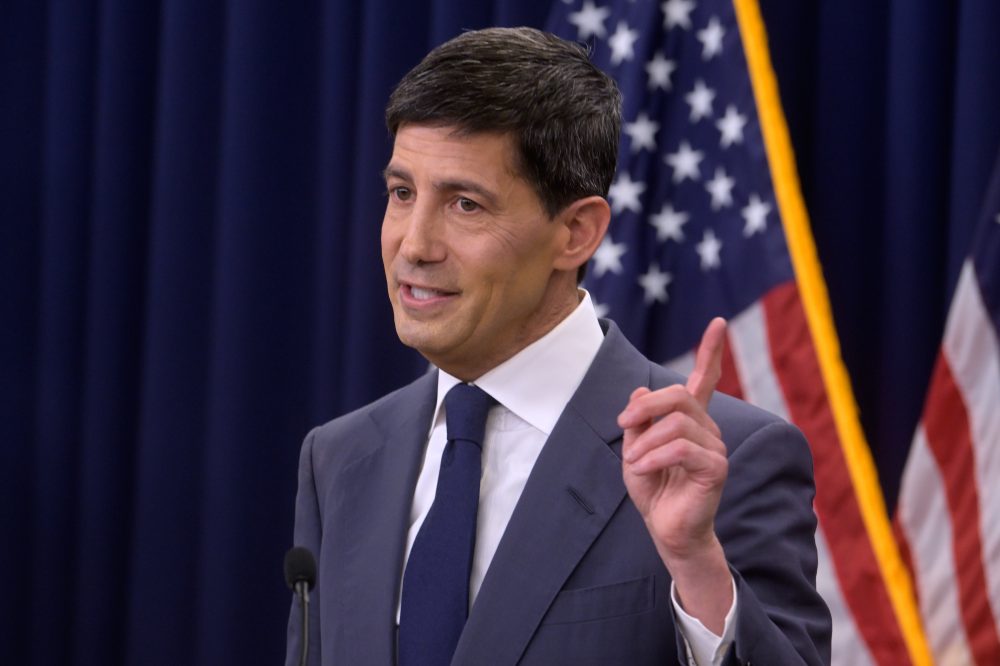
Vance expressed confidence heading into the negotiations, saying he was optimistic about making headway on both Iran’s nuclear ambitions and securing a ceasefire in southern Lebanon.
Just before the talks got underway, Tehran announced that it had once again closed the Strait of Hormuz, citing Israel’s continued military operations in Lebanon. The interim agreement between Washington and Tehran is designed to halt fighting across all fronts — including Lebanon — and calls for billions of dollars in frozen Iranian assets to be released.
President Donald Trump has warned that the U.S. will impose tolls on the strait if a permanent deal isn’t finalized within 60 days. The current interim agreement provides for toll-free passage through the waterway for that same 60-day window — a critical stretch of water for the global oil supply.
Pakistani Prime Minister Shehbaz Sharif and army chief Field Marshal Asim Munir are also present in Switzerland for the high-level discussions, according to the prime minister’s office, though no additional details were provided.
The meetings are taking place at the Bürgenstock Resort near the Swiss city of Lucerne. They were originally planned for Friday but were pushed back due to concerns raised by Iran. Sharif had dispatched his special envoy, Interior Minister Mohsin Naqvi, to Tehran to encourage Iranian officials to send a delegation to Switzerland. Naqvi eventually reported back to Islamabad that Iran had agreed to attend, and Pakistan then relayed that news to Washington.
The Strait of Hormuz has become a central issue in the negotiations. Iran’s joint military command stated Saturday that the waterway was closed again because the U.S. had, in their words, clearly breached its commitments by not bringing the war to an end. The interim deal is intended to stop all fighting, including in Lebanon where Israeli forces are engaged in combat with the militant group Hezbollah.
The U.S. pushed back on Iran’s claim. U.S. Central Command reported that shipping traffic is still moving through the strait, noting that 55 merchant vessels passed through on Saturday carrying more than 17 million barrels of oil.
Vessel traffic through the strait resumed after the interim U.S.-Iran deal was signed last week. As part of that agreement, the U.S. lifted its blockade on Iranian ports and now permits Tehran to sell its oil on the open market — a concession that has prompted some members of Congress to question whether the war was justified.
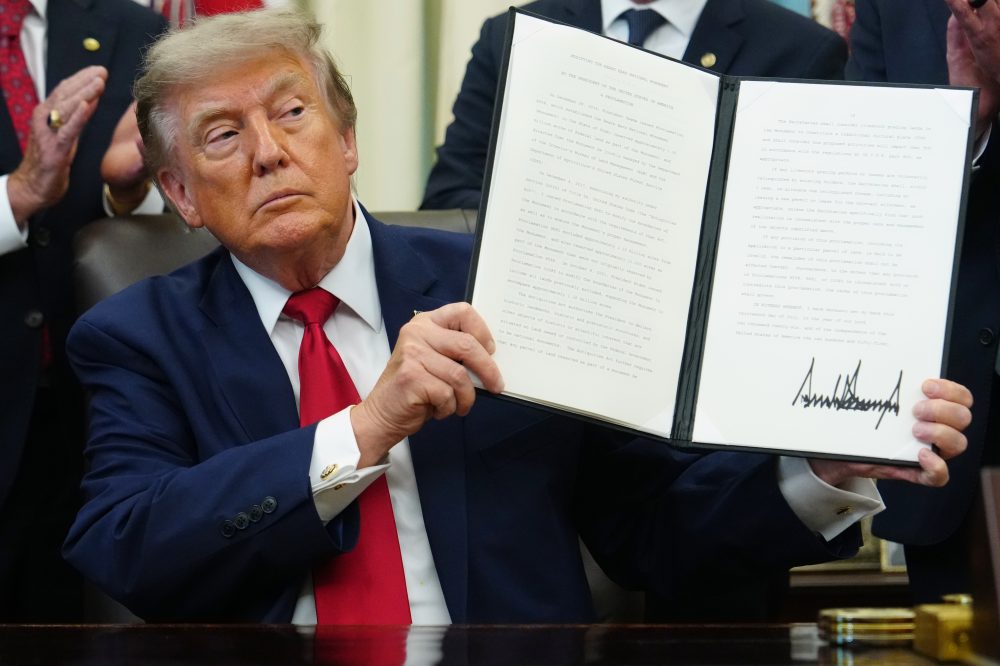
The interim deal, signed by Trump and Iranian President Masoud Pezeshkian, gives both sides 60 days to negotiate a formal nuclear agreement, with the possibility of extending that deadline if needed.