
TEMPE, Ariz. (AP) — Escalating home electricity costs and debates over data center development are transforming typically overlooked elections for utility oversight positions — the boards that oversee power plant construction and transmission lines, then charge consumers for those expenses.
These conflicts took center stage in last year’s electoral contests across Georgia, New Jersey and Virginia, and are now spreading to Arizona and Alabama, where previously quiet races have evolved into heated political battles.
National organizations such as Turning Point Action — primarily recognized for mobilizing young conservative voters for President Donald Trump — are now participating through door-to-door campaigns and text messaging efforts. The group aims to limit environmental advocates’ control over the Phoenix-area Salt River Project, America’s largest public utility, in Tuesday’s voting.
These disputes signal upcoming campaigns throughout the year, as at least six states will conduct elections for utility oversight positions. Georgia is among them, where another intensely competitive race is expected.
This increased focus is bringing the typically private politics of elected utility commissioners — historically controlled by influential insiders or monopolistic corporations, according to critics — into a heated national discussion about powering artificial intelligence while preventing electricity cost increases.
“And that means suddenly there’s all this pressure,” stated Dave Pomerantz from the Energy and Policy Institute, an organization advocating for affordable utility rates and renewable energy adoption.
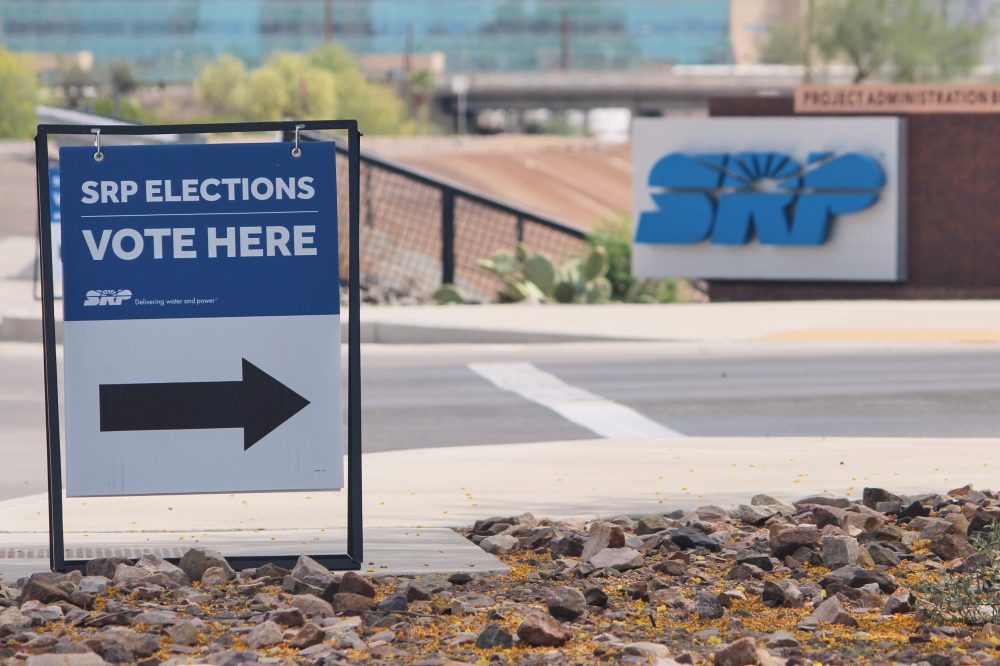
For Tuesday’s Salt River Project control election, early ballot requests have exceeded the previous election by more than triple. Campaign signs line neighborhood intersections while property owners — land ownership is required for voting eligibility — receive text messages, promotional materials and personal visits from campaigners.
The utility already faces demands to decrease dependence on fossil fuels including coal and natural gas that release climate-warming emissions. However, campaign groups are now focusing on this race as the rapidly expanding Phoenix region attracts data centers and semiconductor manufacturing facilities. The utility estimates needing to double its generating capacity over the next ten years.
Two competing candidate groups are seeking board control. Turning Point Action supports one faction opposing “radical environmentalists.” The Jane Fonda Climate PAC backs the other, fighting against “oil-loving candidates.” Additional participants include local progressive organizations, energy companies, construction businesses and data center developers.
“If they want to just overnight switch us to solar, there’s a reliability issue, there’s a cost issue there, and we just can’t keep up,” explained Jimmy Lindblom, a construction industry executive who established the business-supported Arizonans for Responsible Growth. “We’d have blackouts. And so these things are really important to the growth of Arizona.”
Turning Point Action is supporting the Arizonans for Responsible Growth candidates while using this election to generate enthusiasm before this year’s midterm elections in the competitive state.
The opposing “clean energy” candidates claim Salt River Project’s current leadership too readily approves natural gas connections, increases rates and welcomes data centers. They also argue the board dismisses clean energy solutions for meeting rising demand and provides no solar panel installation incentives.
“It’s insane, especially now,” commented Randy Miller, a clean energy supporter serving on SRP’s board.
Approximately twelve supporters met at Tempe park picnic tables last week, gathering at sunset to contact voters who requested but hadn’t returned ballots. Following a brief motivational speech, they dispersed throughout the area.
Several voters expressed concern about Turning Point’s participation.
“Very, very, very troublesome,” said Laura Kajfez, a 66-year-old Tempe retiree. “We don’t need that intervention in our local politics. We have enough problems as it is.”
Previous elections averaged 7,500 submitted ballots. By Thursday, with five voting days remaining, participation had already exceeded 22,000, according to SRP data.
Salt River Project board campaigning presents unique challenges. The utility serves over 2 million electricity and water customers under complicated regulations. Most position votes are weighted by land acreage, giving large property owners disproportionate influence.
In heavily Republican Alabama, concerns over increasing power costs are affecting state legislature discussions and campaign activities, driving efforts to restructure the Alabama Public Service Commission. Alabama maintains some of the South’s highest electricity rates, based on U.S. Energy Information Administration data.
State legislators this week approved commission restructuring, essentially transferring additional authority to the governor. Advocates described this as addressing affordability concerns. However, it precedes this year’s elections, which some candidates want to focus on electricity pricing — similar to how Georgia Democrats achieved decisive victories in two state commission races in 2025.
Former U.S. Senator Doug Jones, running as a Democratic gubernatorial candidate, characterized the legislation as a “first-rate con job” targeting voters.
“Republicans in the Alabama Legislature want to completely revamp the PSC because all of the sudden after two wins in Georgia, they realize that maybe the people don’t like what’s going on with the PSC,” Jones posted on social media.
The signed legislation from Governor Kay Ivey expands the three-member commission to seven elected positions. The governor will initially appoint four new members. Additionally, utilities cannot increase retail base rates until 2029.
Republican legislative leadership described the bill as significant consumer protection progress.
“The Alabama Legislature passed HB475 to put a freeze on electric rates and to give the people of Alabama broader representation on the Public Service Commission,” Ivey stated. House Speaker Nathaniel Ledbetter and Senate President Pro Tem Garlan Gudger jointly announced that lawmakers “stood united to reform how utilities are regulated and demand an unprecedented amount of accountability for consumers across the state.”
Two current commission seats face election this year, with Republican incumbents confronting both primary challengers and Democratic opponents campaigning on affordability messages.
Democrats reference Georgia’s election as a blueprint for party success, even in GOP-controlled states like Alabama.
“What happened in Georgia could happen in Alabama,” noted Tabitha Isner, Alabama Democratic Party vice chair. “That’s why the alarm bells are going off and so much money is being poured into maintaining the status quo.”