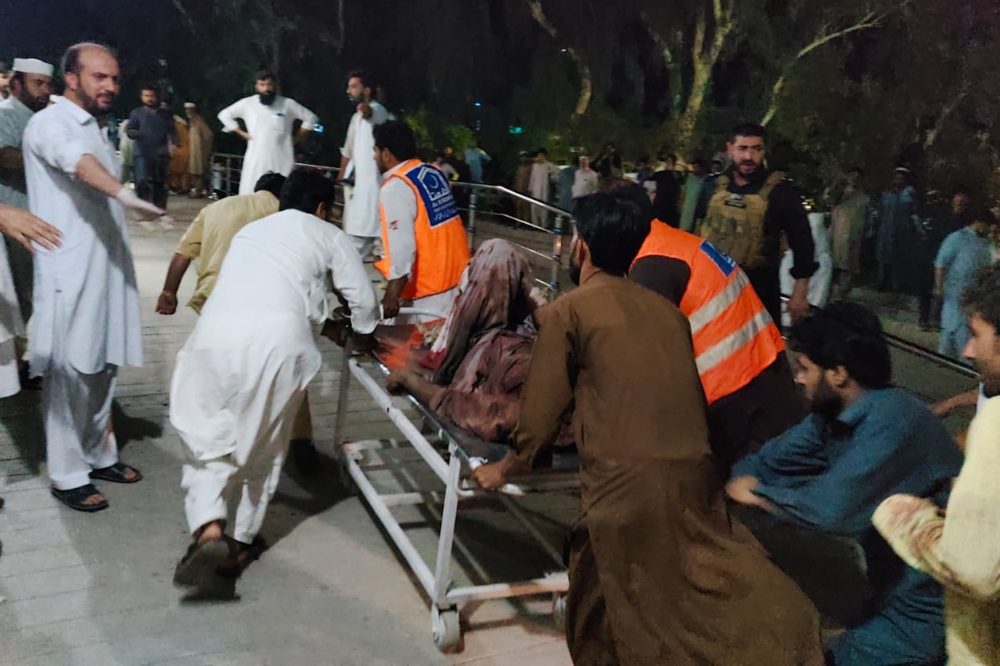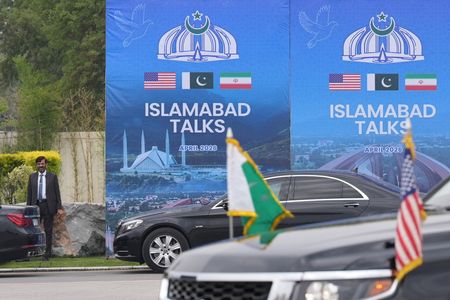

High-ranking American and Iranian representatives met in Pakistan’s capital city of Islamabad on Saturday for diplomatic discussions designed to bring an end to their ongoing Middle East conflict that has resulted in thousands of casualties, disrupted global energy markets, and damaged the worldwide economy.
The negotiations face significant challenges, with Iranian leadership stating that official diplomatic talks can only commence after the United States provides guarantees regarding a ceasefire in Lebanon and the removal of economic sanctions against Iran.
Among the primary issues expected to be addressed during these discussions:
Iran is seeking an immediate ceasefire in Lebanon, where Israeli military operations against Iran-supported Hezbollah forces have resulted in approximately 2,000 deaths since hostilities began in March. While Israel and the United States maintain that the Lebanese conflict remains separate from U.S.-Iran ceasefire efforts, Tehran considers it an integral component.
Iranian officials are demanding that Washington release frozen Iranian financial assets and terminate economic sanctions that have severely damaged Iran’s economy over multiple years. The U.S. has suggested it may consider substantial sanctions relief, but only in return for Iranian compromises regarding its nuclear and missile programs.
Iran seeks recognition of its control over the Strait of Hormuz, where it aims to impose transit fees and regulate access – a move that would represent a major shift in regional influence. The United States insists the waterway must remain open for oil tankers and commercial vessels without restrictions or fees.
Iranian representatives are anticipated to request compensation for all damages sustained during the six-week conflict. Washington has not provided any public response to this demand.
Iran wants permission to continue uranium enrichment activities, which the U.S. has rejected and President Donald Trump has declared non-negotiable.
Both Israeli and American officials are calling for significant reductions in Iran’s missile capabilities. Tehran has stated that its extensive missile program remains non-negotiable.
Iran is requesting the removal of U.S. military forces from the region, an end to hostilities on all fronts, and guarantees of non-aggression. Trump has pledged to maintain American military presence in the Middle East until a peace agreement is finalized and has threatened major military escalation if Iran fails to comply.