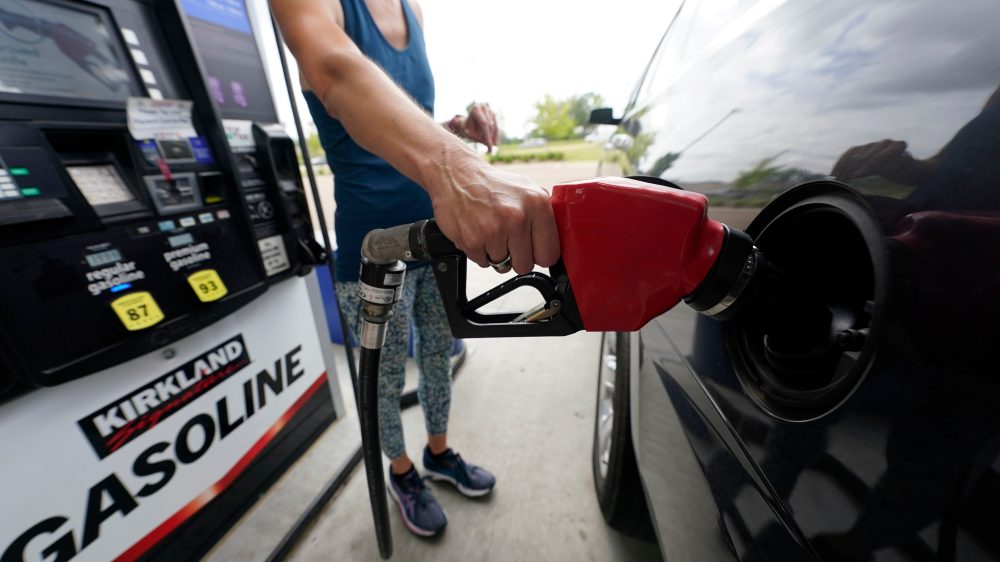

American drivers are seeing a slight break at the gas pump, with the national average price for a regular gallon of gas falling to $3.999 — just barely under the $4 threshold — as of Thursday. According to motor club AAA, it marks the first time since March that prices have dipped to this level.
The drop came overnight after President Donald Trump signed an agreement with Iran. The deal requires Tehran to dilute its stockpile of highly enriched uranium and lifts U.S.-backed sanctions against the country.
The agreement calls for a permanent end to hostilities and sets a 60-day negotiating window to hammer out a final deal on Iran’s nuclear future, though Trump left open the possibility of resuming military action. Analysts note the deal appears to offer Iran several immediate benefits while requiring relatively little in return.
Gas prices continue to vary widely across the country. Californians are paying an average of $5.64 per gallon, while drivers in South Carolina are seeing prices as low as $3.58 per gallon.
Oil prices have also dropped significantly. U.S. crude fell to around $80 per barrel on Monday — down sharply from the more than $120 per barrel seen during the height of the conflict, and also below the $67 per barrel price that existed before the war began. Overall, the price of a barrel of U.S. crude has dropped 14% this month alone.
However, experts caution that relief at the pump won’t happen overnight. It could take weeks or even months before oil begins flowing freely again through the Strait of Hormuz, a critical passage that previously carried one-fifth of the world’s crude oil supply. Hundreds of ships remain trapped in the Persian Gulf, Gulf oil producers that cut back output will need time to ramp up again, and ship captains may wait to confirm the threat of attack has truly passed.
There’s also a timing issue with refineries, which typically purchase crude oil a month or more ahead of time — meaning even as oil prices fall, they won’t immediately be working with cheaper supplies.
Beyond fuel, the disruption to the Strait of Hormuz has rippled through supply chains for fertilizer, food, and consumer goods like footwear. Businesses are bracing for elevated costs to stick around, and consumers may feel that pressure as well.