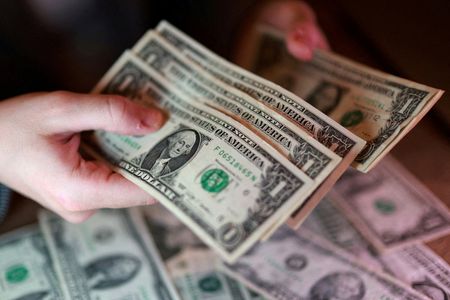

The US dollar maintained its downward trend against other major world currencies Friday, positioning itself for a weekly decline amid emerging reports of a potential ceasefire agreement between the United States and Iran.
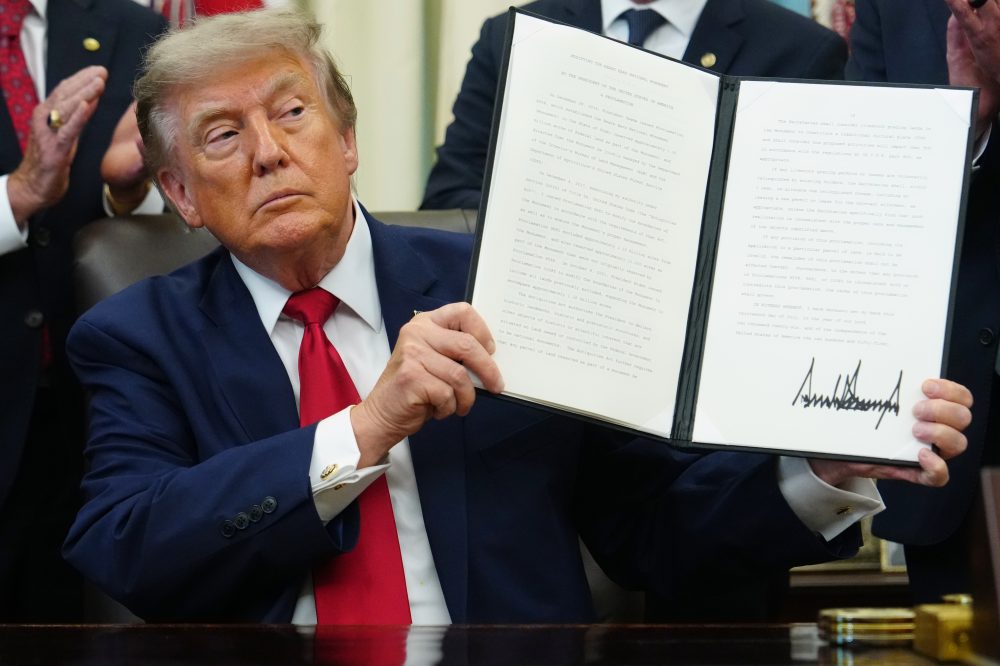
According to four sources who spoke with Reuters, the proposed agreement would extend the current Middle East truce by an additional 60 days and restore normal shipping traffic through the Strait of Hormuz. The deal remains subject to Trump’s approval while negotiators work to address more complex matters including Iran’s nuclear program.
Oil markets declined and investors showed less interest in the traditionally safe-haven dollar, though trading remained cautious as market participants expressed uncertainty about achieving a permanent solution. This hesitation followed contradictory messages from both Washington and Tehran throughout the week.
Currency markets showed the euro trading at $1.1653, gaining 0.03% during Asian trading hours, while the pound remained unchanged at $1.3445.
The Australian dollar held steady at $0.7164, and the New Zealand dollar climbed 0.2% to $0.5946, reaching its highest point in over two weeks.
The dollar index, which tracks the greenback’s performance against multiple currencies, stayed relatively flat at 98.997 following Thursday’s 0.2% decline. The index appears ready to break a two-week winning streak and finish the week down 0.3%.
“It might well be that once this crisis in Iran, in the Middle East, is behind us, we expect the U.S. dollar to remain weak,” said Massimiliano Castelli, head of strategy in the global sovereign markets team at UBS Asset Management.
Castelli explained that while the Middle East conflict temporarily halted dollar weakness due to safe-haven demand, many investors continue seeking alternatives to U.S. dollar assets.
The Japanese yen gained strength, reaching 159.27 against the dollar amid broader greenback weakness, moving away from the psychologically important 160-per-dollar threshold that has previously triggered intervention by Japanese authorities.
Economic data revealed that U.S. inflation accelerated to its fastest rate in three years during April, fueled by rising energy costs related to the Iran conflict. This development reinforces economists’ expectations that the Federal Reserve will maintain current interest rates well into the following year.