
The United Nations Security Council will begin discussions Tuesday on a resolution backed by the United States and Bahrain that could result in sanctions against Iran, and possibly authorize military force, should Tehran continue its attacks and threats against commercial vessels in the Strait of Hormuz, according to three Western diplomats.
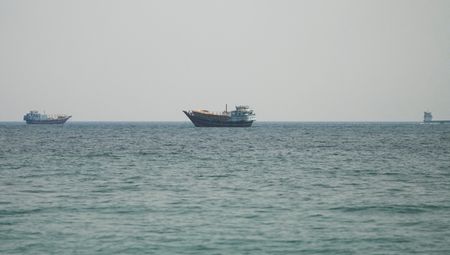
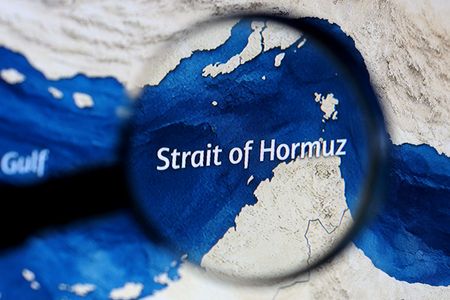
Monday’s renewed military clashes highlighted the high stakes as America and Iran compete for dominance over the critical waterway that serves as a crucial passage for global energy supplies and international trade, disrupting a delicate month-long ceasefire and strengthening opposing naval blockades.
Washington’s diplomatic effort at the United Nations marks a significant shift from recent months when it operated largely outside UN channels, conducting military strikes against Iran without Security Council approval and urging allies to participate in informal naval patrols to maintain shipping freedom.
This previous strategy met resistance from partners concerned about unlimited conflict and legal risks, leading to harsh criticism from President Donald Trump against nations he claimed were not supporting American-led initiatives.
Monday’s violence, during which the US reported destroying six Iranian small vessels while Iranian missiles struck a UAE oil facility, came after Washington launched “Project Freedom,” an American-led initiative to guide stranded tankers and other ships through Hormuz.
Within this context, the proposed resolution represents part of what diplomats characterize as a plan to apply diplomatic pressure on Iran and prepare for post-conflict scenarios.
Washington has additionally distributed a proposal, reviewed by Reuters, to partner nations for establishing a new international maritime alliance called the Maritime Freedom Construct (MFC), designed to create a post-conflict security framework for the Middle East and reopen the Strait when stability returns.
The proposed resolution could authorize both sanctions and military intervention. A previous Bahraini resolution supported by the United States that seemed to legitimize military action against Iran was unsuccessful after Russia and China opposed it.
This new proposal adopts a more measured stance, avoiding direct language that would authorize force while still operating under Chapter VII of the UN Charter, which permits the Security Council to implement measures from sanctions to military intervention.
The resolution condemns Iran’s alleged ceasefire violations and its “continuing actions and threats aimed at closing, obstructing, tolling, or otherwise interfering with the lawful exercise of navigational rights and freedoms through the Strait of Hormuz,” including sea mine deployment.
It characterizes these activities as threatening international peace and security, demanding Iran immediately stop attacks, reveal mine locations, and avoid hindering clearance efforts.
The document also urges Tehran to work with UN initiatives to create a humanitarian passage through the Strait, referencing disrupted aid deliveries, fertilizer shipments, and other vital goods.
The UN secretary general would provide a compliance report within 30 days. The Security Council would reconvene to consider further measures, including potential sanctions, if Iran fails to follow the resolution.
Diplomats indicated Washington wants to conclude negotiations rapidly, aiming to distribute a final version by May 8 and conduct a vote early next week, though Russia and China maintain a competing proposal under review.
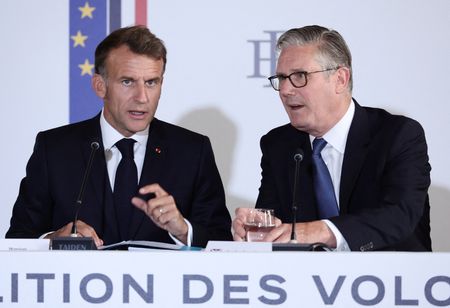
The Security Council initiative runs parallel to diplomatic outreach regarding the MFC, an American-led coordination entity that would collaborate with a separate Franco-British maritime mission involving approximately 30 nations.
The Franco-British effort aims to establish groundwork for secure passage through the Strait once conditions stabilize or the conflict ends, with Iranian cooperation.
Several countries have indicated any mission would need UN authorization before committing military resources.
“The MFC is complementary to other maritime security task forces, including the maritime planning effort the UK and France are leading,” states an informal diplomatic document distributed to governments and obtained by Reuters.
“The MFC will remain structurally independent, though close coordination is essential to achieve the strongest maritime security architecture possible.”