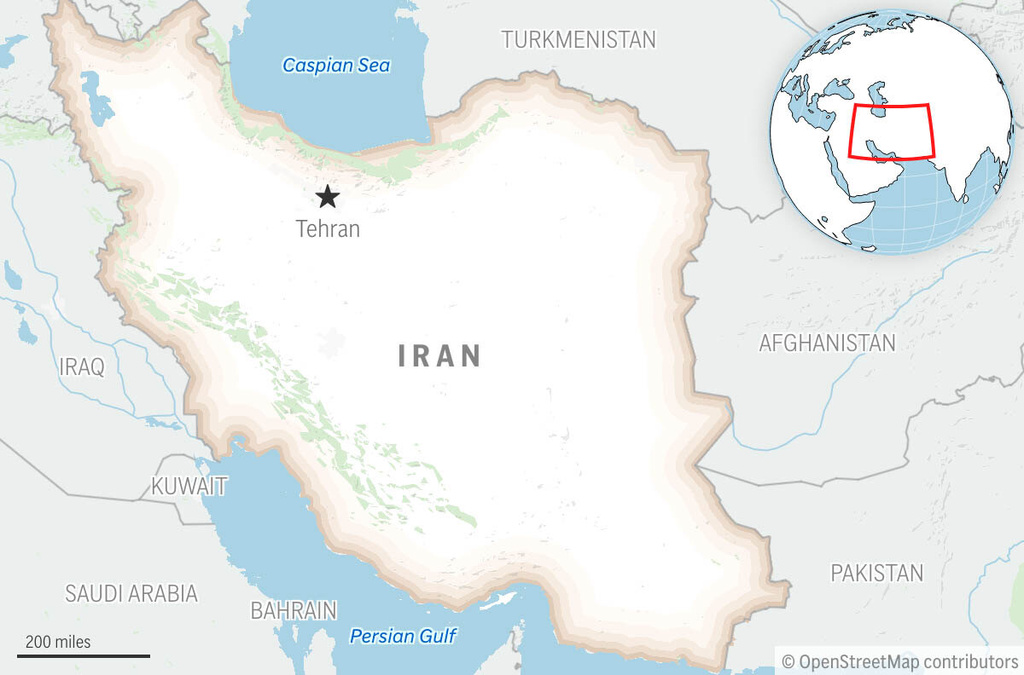

DUBAI, United Arab Emirates — The United States carried out new airstrikes against Iran in the early hours of Thursday, and Iran struck back by targeting American-allied nations across the Middle East — a dangerous exchange that has put a shaky interim ceasefire agreement at serious risk of collapse.
While similar back-and-forth attacks have threatened the ceasefire on previous occasions, Thursday’s round appeared to be the most significant yet. Air raid sirens went off at least three times in Bahrain, which is home to the U.S. Navy’s 5th Fleet headquarters. Missiles were also directed at Kuwait and Qatar. Later that afternoon, sirens sounded in Jordan, where U.S. troops and aircraft are stationed.
An Iranian official alleged that the U.S. launched a strike Thursday targeting the area surrounding Iran’s only nuclear power plant, and additional explosions were reported across the country during the afternoon hours.
In the early hours of Friday, Supreme Leader Ayatollah Ali Khamenei was buried in his hometown of Mashhad following several days of public mourning. Khamenei was killed during the opening strikes of the Iran conflict.
The latest round of strikes came just hours after U.S. President Donald Trump declared that recent Iranian attacks on vessels in the Strait of Hormuz had effectively ended the fragile ceasefire, and warned of further escalation if the attacks did not stop. Those statements raised fears that the region could slide back into full-scale war involving multiple countries — and potentially choke off energy shipments through the strait, which are vital to the global economy.
U.S. Military Strikes 90 Targets Inside Iran
The U.S. military’s Central Command announced it struck 90 locations throughout Iran, releasing black-and-white video footage appearing to show hits on an airport runway and missile launch sites.
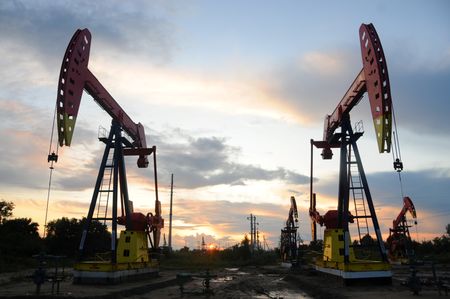
According to the U.S., the strikes were aimed at further weakening Iran’s capacity to threaten shipping in the strait. Before the war began with U.S. and Israeli strikes on February 28, roughly one-fifth of the world’s traded oil and natural gas passed through that waterway.
Some shipping activity has resumed since a tentative agreement last month included provisions to reopen the strait. Maritime data firm Lloyd’s List Intelligence reported Thursday that early figures showed at least 576 ships passed through the strait in June, up from 233 in May — though still far below the more than 3,100 vessels that transited the strait in June 2025.
Trump Warns Iran: Next Attack Will Bring Worse Consequences
After departing a NATO summit in Turkey, Trump posted multiple videos to his social media platform showing what he described as explosions inside Iran, and issued a fresh warning to the country.
“This is in retribution for yesterday’s bombing of ships by Iran. If it happens again, it will get much worse!” Trump wrote Wednesday — one day after three tankers were attacked in the Strait of Hormuz.
Trump also repeated earlier threats to strike Iranian infrastructure, including electrical and water desalination facilities, and to seize Kharg Island, through which approximately 90% of Iran’s oil exports flow.
Final Deal Talks Expected After Khamenei Funeral
Trump said Wednesday that the interim ceasefire was “over,” though he indicated he would allow negotiations to continue while expressing doubt that negotiators were making productive use of their time, saying he believed they were “wasting their time.”
Talks aimed at reaching a permanent agreement were scheduled to begin following Khamenei’s funeral. Those negotiations are expected to tackle the most difficult issues, including fully reopening the Strait of Hormuz and dismantling Iran’s disputed nuclear program.