
For Mohammed, being gay in Lebanon’s conservative southern region presented daily struggles, but when Israeli airstrikes devastated his community in March, he faced an impossible situation that forced him to seek refuge at an unusual sanctuary in Beirut designed specifically for LGBT individuals.
While over one million Lebanese have been forced from their homes during the conflict between Israel and Hezbollah, most have found shelter with family members or secured rental housing. An additional 124,000 have turned to official government facilities, with the most desperate living on the streets.
However, Lebanon’s LGBT population faces unique barriers to these typical refuge options, often experiencing family rejection, official discrimination, and economic hardship that leaves them with nowhere to turn.
Despite Lebanon’s reputation as a relatively accepting Middle Eastern nation for LGBT individuals, recent events like the violent disruption of a 2023 drag performance by hostile crowds have created an atmosphere of fear within the community, according to local advocates.
The conflict reached Mohammed’s doorstep when Israeli bombardment destroyed the building he shared with his brother near Sidon, just two weeks after hostilities began on March 2.
Speaking to Reuters while requesting anonymity for his surname, Mohammed described how his family had consistently rejected his identity and prohibited him from receiving guests at home.
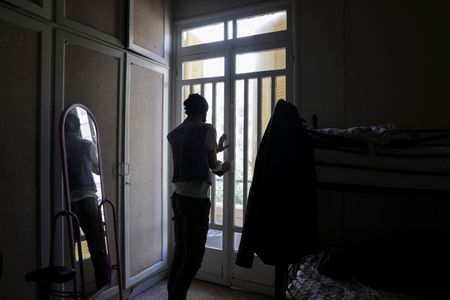
Following the destruction of his residence, he traveled to Lebanon’s capital, where he now occupies shared quarters at a facility operated jointly by LGBT advocacy organizations Helem and Mosaic.
“It was like a safe place. I even felt a sense of psychological relief when I arrived,” Mohammed said.
According to Doumit Azzi, who coordinates communications for Helem, official government facilities typically accommodate traditional family structures while systematically turning away those who don’t fit conventional definitions.
This exclusionary practice makes the Helem-Mosaic facility often the sole option available to Lebanon’s displaced LGBT population.
The shelter operates with donated furniture, including stacked sleeping arrangements to maximize capacity, while a community member living elsewhere provides daily hot meals for residents.
Staff maintain strict secrecy about the facility’s whereabouts to prevent potential attacks from conservative elements within Lebanese society.
Though Mohammed acknowledges his stay is temporary, he values the opportunity to express his true identity without fear.
“I’m Mohammed, that’s it. Just the way I want to be, not the way others want me to be.”
The ongoing warfare has intensified existing dangers for LGBT individuals, shelter workers report. Even after a ceasefire was declared on April 16, continued violence has prevented many from returning to their communities.
Samar, a Mosaic social worker who also requested surname anonymity, reports their crisis helpline receives approximately 100 daily calls from people seeking assistance.
“In normal times and without war, there are many risks to LGBTQ people, especially related to protection. What if there’s a war?” she said.
She explained to Reuters that emergency situations typically worsen existing gaps in Lebanon’s social safety net while intensifying prejudice against LGBT citizens.
Transgender individuals face particularly severe challenges due to difficulties obtaining official documentation that reflects their gender identity.
The shelter also houses an Egyptian resident known as Mina for safety purposes, who arrived in January after fleeing persecution in Egypt for being a transgender man.
Even in Beirut, he continues encountering discrimination and harassment.
During a recent document check at what appeared to be an official checkpoint, his identification listed him as female, creating a dangerous situation.
“I am a trans man, they were looking at the document and then at me, and things were said that shouldn’t be said” because of how offensive they were, Mina said.
Within the shelter’s peaceful corridors, he experiences security and acceptance.
“We try to treat each other in a cooperative way, we help each other and we try to be friends,” he said. “If one of us needs help, the other stands by him.”