
A new United Nations report shows that women and girls in Gaza faced unprecedented casualties during the recent conflict, with fatalities continuing even after a ceasefire agreement.
UN Women released data Friday indicating that more than 38,000 women and girls lost their lives in Gaza from October 2023 through December 2025, averaging at least 47 deaths per day throughout the conflict period.
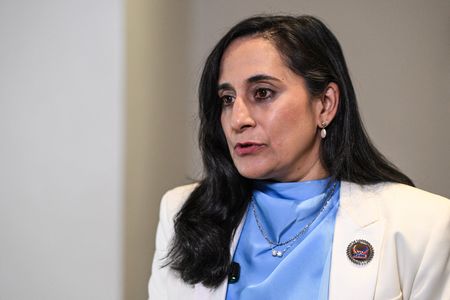
Sofia Calltorp, who leads humanitarian action for the gender equality-focused agency, spoke to reporters in Geneva about the alarming statistics.
“Women and girls accounted for a proportion of deaths far higher than those observed in previous conflicts in Gaza,” Calltorp stated.
“They were individuals with lives and with dreams,” she added.
The organization expressed alarm that women and girls continue to die following October’s ceasefire agreement, though exact numbers remain unclear due to insufficient gender-specific data collection.
The October ceasefire brought an end to two years of intensive warfare but resulted in Israeli forces maintaining control over a largely evacuated area comprising more than half of Gaza. Hamas continues to govern the remaining narrow coastal territory.
Medical officials in the area report that over 750 Palestinians have died since the ceasefire began, while militant groups have killed four Israeli soldiers. Both Israel and Hamas have accused each other of breaking ceasefire terms.
Israeli officials state their operations target potential attacks from Hamas and other armed groups.
UNICEF also issued a statement Friday highlighting that children continue facing deadly violence in Gaza at disturbing levels, with at least 214 child deaths documented over the past six months.
The displacement crisis affects approximately one million women and girls currently living in Gaza, according to UN Women’s findings.
“Extensive damage to infrastructure has made it almost impossible for women and girls in Gaza to access their basic needs like healthcare,” Calltorp explained.
World Health Organization data indicates that more than 500,000 women cannot access critical medical services, including prenatal care, postnatal support, and treatment for sexually transmitted infections.