
NEW YORK — Global demand for essential minerals that fuel everything from cell phones to military weapons systems may increase threefold by 2030 and grow four times larger by 2040, according to a senior United Nations official who addressed the Security Council on Thursday.
Undersecretary-General Rosemary DiCarlo highlighted how dramatically the strategic landscape has shifted in recent years. “A decade ago, minerals such as lithium, cobalt and nickel had limited strategic importance,” DiCarlo explained. “Today, they underpin the technologies powering the digital economy and the energy transition.”
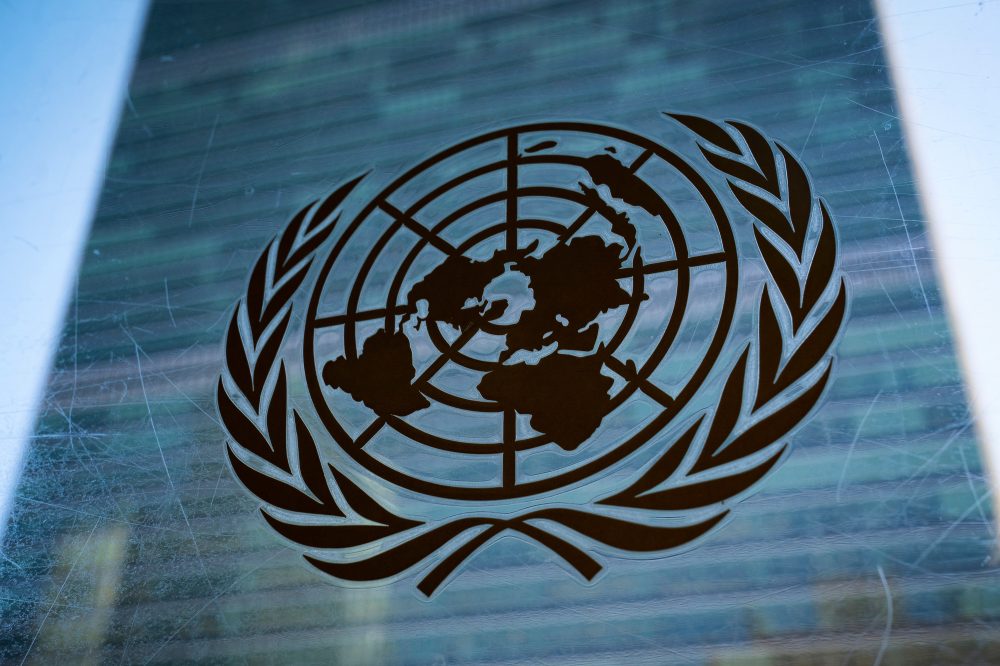
DiCarlo delivered her remarks during a special Security Council session organized by the United States, which currently leads the council this month. The meeting focused on “Energy, Critical Minerals and Security.”
The UN political chief characterized critical minerals as a primary economic force of this century, noting that global commerce in raw and partially processed minerals totaled roughly $2.5 trillion in 2023.
“This represents more than 10% of global trade,” she explained. “Demand could triple by 2030 and quadruple by 2040.” DiCarlo’s office confirmed these statistics came from 2025 UN research reports.
Energy Secretary Chris Wright, who led the session, emphasized that America and its partners must avoid excessive reliance on any single nation “for materials critical to our economies and national security.”
“The work we’re doing today, especially on the strategic importance of critical minerals and energy, is directly tied to preventing conflict and building a world where countries can cooperate and move forward together,” Wright stated.
The current administration is taking aggressive steps to secure critical mineral supplies necessary for electric cars, advanced aircraft and other cutting-edge technologies. China has maintained tight control over rare earth minerals and restricted their export following President Donald Trump’s comprehensive tariff policies implemented last year.
Although both nations agreed to ease import duties and rare earth limitations, China’s current restrictions remain more stringent than before Trump assumed office. His administration recently announced plans to establish a critical minerals trading partnership with allied nations to challenge China’s market control.
China’s UN representative Fu Cong acknowledged to the council that accelerating global energy transformation and advancing technologies like artificial intelligence are driving increased demand for critical minerals and related resources. He noted that supply and demand imbalances are becoming more severe “as the world enters a new period of turbulence and transformation.”
Fu called for enhanced international collaboration to maintain reliable resource availability and supply networks, “thereby supporting global economic growth.”
The Chinese ambassador also encouraged all nations to join China’s “green mining” initiative, which was introduced at November’s G20 summit in South Africa to transform mining industry practices.
The U.S. strategy to diversify critical mineral sources includes partnerships with Australia and Ukraine, while also strengthening cooperation with Venezuela and Congo.
Interior Secretary Doug Burgum announced Thursday that Venezuela’s leadership will provide security guarantees to mining companies investing in mineral-rich regions previously dominated by guerrilla fighters, criminal organizations and other illegal entities.
Last month, Congolese President Felix Tshisekedi proposed giving American companies access to eastern Congo’s abundant mineral deposits — largely undeveloped due to ongoing violence and valued at approximately $24 trillion — in exchange for U.S. assistance in combating rebel forces and developing essential infrastructure.
Congo’s UN Ambassador Zenon Mukongo, representing a current council member nation, emphasized the importance of private sector compliance with domestic regulations and ensuring their activities don’t fund armed groups or enable illegal mineral extraction.