
The ongoing Middle East conflict is driving millions of people toward severe hunger as escalating fuel and transportation expenses cause food costs to soar, according to the U.N. World Food Programme’s Friday announcement. The crisis is further complicated by funding shortages that are forcing humanitarian organizations to reduce their operations.
Regional warfare erupted following joint U.S.-Israeli military actions against Iran in February, creating widespread disruption from the Gulf region extending into Lebanon. Critical maritime passages, including the Strait of Hormuz, have been affected, compelling ships to find alternate routes and severely limiting worldwide energy distribution and supply networks.
The WFP projected in March that up to 45 million individuals could experience acute food insecurity should oil prices stay near $100 per barrel through June. This prediction is becoming reality, the organization reported, as benchmark crude oil has remained above that threshold since early March began.
Communities in Afghanistan, Somalia and Sri Lanka are experiencing the most severe impacts, confronting increased challenges from elevated fuel expenses, food cost increases, reduced incomes and interrupted commerce.
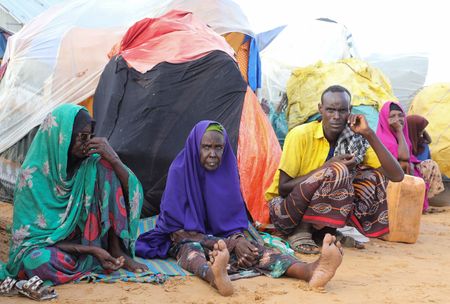
Somalia is projected to have 6.5 million residents – approximately one-third of its total population – experiencing severe hunger by 2026, while Afghanistan may see 17.4 million people impacted, according to WFP data. The crisis is expected to intensify, with another 2.5 million Somalis and 2.3 million Afghans potentially facing food insecurity if current disruptions continue. Both nations depend heavily on energy and food imports.
This Middle East emergency occurs during a significant funding crisis for humanitarian organizations. The WFP anticipates serving 1.5 million fewer individuals worldwide in 2026, with an additional 9 million people losing assistance if conditions persist for six months.
Afghanistan has seen fuel price increases drive aid transportation expenses up by as much as five times normal costs, while delivery timeframes have extended from 10 days to as long as 75 days as vehicles must utilize alternative routes, the WFP reported.
Somalia faces rising jet fuel costs that are increasing operational expenses for the United Nations Humanitarian Air Service – the sole safe method for reaching remote locations, according to the WFP.