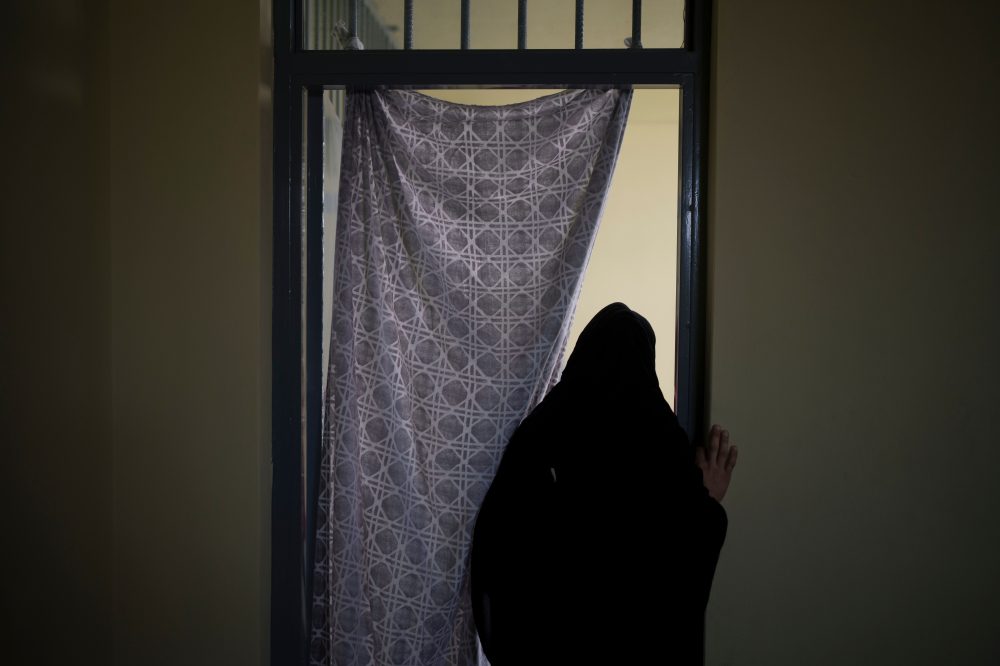

The United Nations mission operating in Afghanistan has voiced objections to reported detentions of women in the country’s western region for allegedly failing to follow dress code regulations.
In a statement posted on X Sunday evening, the U.N. Assistance Mission in Afghanistan said the reported arrests and detentions in Herat city create “serious human rights concerns.”
The statement lacked specific details. Officials from Afghanistan’s Ministry for the Propagation of Virtue and the Prevention of Vice rejected the detention reports, labeling them as “rumors.”
“We remind the de facto authorities that all people have the right to freedom of movement and that all persons, both women and men, are entitled to equality before the law,” the U.N. mission stated on X. The organization had voiced similar objections regarding comparable detentions in the Afghan capital, Kabul, during the previous year.
An anonymous human rights monitor, speaking without authorization to share information with media outlets, confirmed Monday that observers had documented no fewer than 16 arrests and detentions in Herat starting Friday, including one pregnant woman, for alleged failure to meet dress code standards.
During Friday prayers, religious leaders at Herat mosques made announcements on behalf of the vice and virtue ministry declaring that women could not leave their residences without wearing hijab. The human rights monitor reported that the arrests and detentions commenced soon afterward.
“The issues being spread about women being arrested in Herat are all rumors,” stated the vice and virtue ministry’s information office. The statement continued that “hijab is a divine command, a law that we are obliged to implement.” The required covering includes headscarves and loose garments that cover the complete body.
Since the Taliban regained control of the nation in 2021 following the disorganized departure of U.S.-led military forces, Afghan leadership has established severe limitations on women and girls. These measures encompass prohibitions on schooling past elementary level and employment restrictions to only a handful of occupations, along with stringent rules governing women’s public attire.
Current government rules require women to appear in public only while wearing complete hijab plus facial coverings that expose solely the eyes. Numerous Afghan women utilize face masks similar to those used during the COVID pandemic to meet these requirements.