
UNITED NATIONS (AP) — In an overwhelming show of support, the United Nations General Assembly endorsed a resolution Wednesday calling for robust climate action, despite diplomatic pressure from the United States to scuttle the proposal.
The 193-nation assembly backed a non-binding measure that supports a groundbreaking advisory ruling issued last July by the UN’s highest court. That opinion declared that nations failing to safeguard the environment from climate impacts are breaking international law.
“The world’s highest court has spoken. Today, the General Assembly has answered,” UN Secretary-General António Guterres said in a statement. “This is a powerful affirmation of international law, climate justice, science, and the responsibility of states to protect people from the escalating climate crisis.”
The final tally showed 141 nations in favor, 8 opposed, and 28 abstaining. Among those voting against were the United States, Russia, Iran and Saudi Arabia — countries that rank among the world’s top oil producers and greenhouse gas contributors. Climate change stems primarily from burning coal, oil and natural gas.
The approved text calls for nations to develop climate action plans aimed at keeping global temperature increases under 1.5 degrees Celsius (2.7 degrees Fahrenheit), eliminate subsidies for fossil fuel development and extraction, and demands that violating countries provide “full reparation” for environmental harm.
The 2015 Paris climate accord established the goal of capping warming at 1.5 degrees Celsius above pre-industrial levels from the mid-1800s, spawning the rallying cry “1.5 to stay alive.” However, scientists now warn that even their most optimistic projections exceed that critical threshold.
The UN measure originally contained more forceful language from the International Court of Justice ruling that would have created an “International Register of Damage” to document evidence and compensation claims. That provision was stripped after nearly twelve rounds of negotiations to gain broader backing.
The resolution’s passage occurred despite reporting by The Associated Press in February revealing that the Trump administration had been lobbying other countries to pressure Vanuatu — the small island nation that originally proposed the draft — to pull it from consideration.
In instructions sent to all US embassies and consulates, the State Department stated it “strongly objects” to the initiative and warned that approval “could pose a major threat to US industry.”
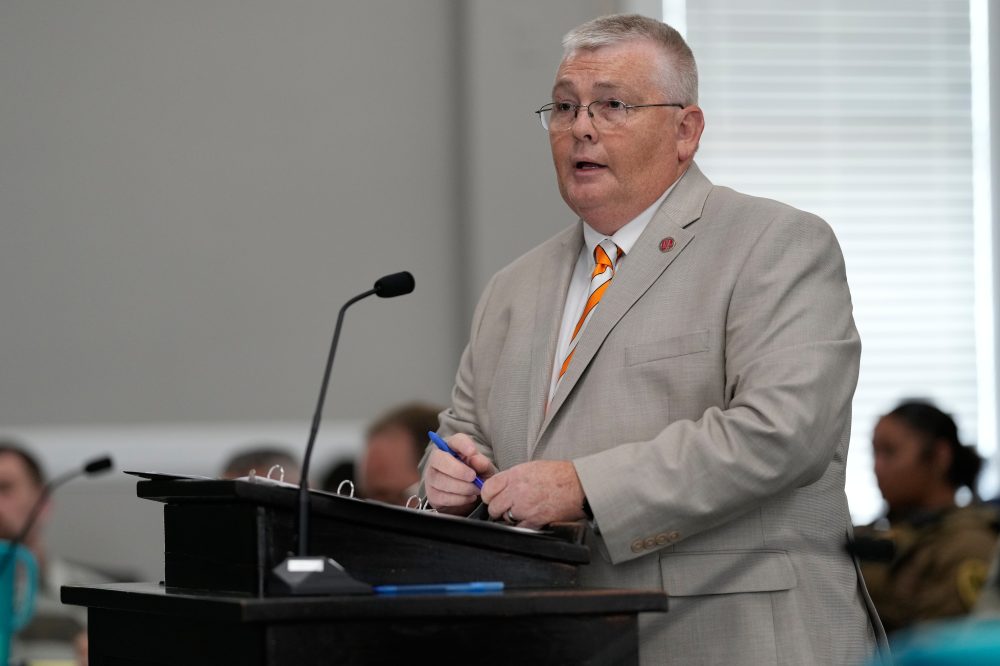
During Wednesday’s proceedings, Tammy Bruce, the deputy US ambassador to the UN, criticized the measure again, describing it as “highly problematic” and asserting that Washington maintains significant legal and policy objections despite modifications to the proposal.
“The resolution includes inappropriate political demands relating to fossil fuels and on other climate topics,” Bruce addressed the assembly prior to the vote.
However, delegates from Vanuatu and fellow island states, who worry about their nations’ survival due to climate impacts, emphasized the importance of the General Assembly supporting the court’s ruling, which has been praised as a watershed moment in international climate law.
“We should be honest with one another about why this matters,” Odo Tevi, the Vanuatu ambassador to the UN, stated before the vote. “It matters because the harm is real and it is already here, along our islands and coastlines, for communities facing drought and failed harvests.”
He continued, “The states and peoples bearing the heaviest burden are very often those who contributed least to the problem.”
The world body’s decision follows years of mounting frustration among Pacific island nations witnessing their territories vanish.
In Tuvalu, where land sits merely 2 meters (6.6 feet) above sea level on average, over one-third of residents have sought climate migration visas to Australia, though only limited numbers receive approval annually. Projections indicate much of the nation will be submerged during high tides by 2100.
In Nauru, officials have started marketing passports to affluent foreigners — providing visa-free travel to numerous countries — as a strategy to raise funds for potential relocation initiatives.
Louis Charbonneau, UN director of Human Rights Watch, stated Wednesday that by supporting the court decision, the UN “reaffirmed the global commitment to protect human rights.” He observed that this occurred “despite efforts by the US and other oil-producing states to stifle attempts to combat climate change.”