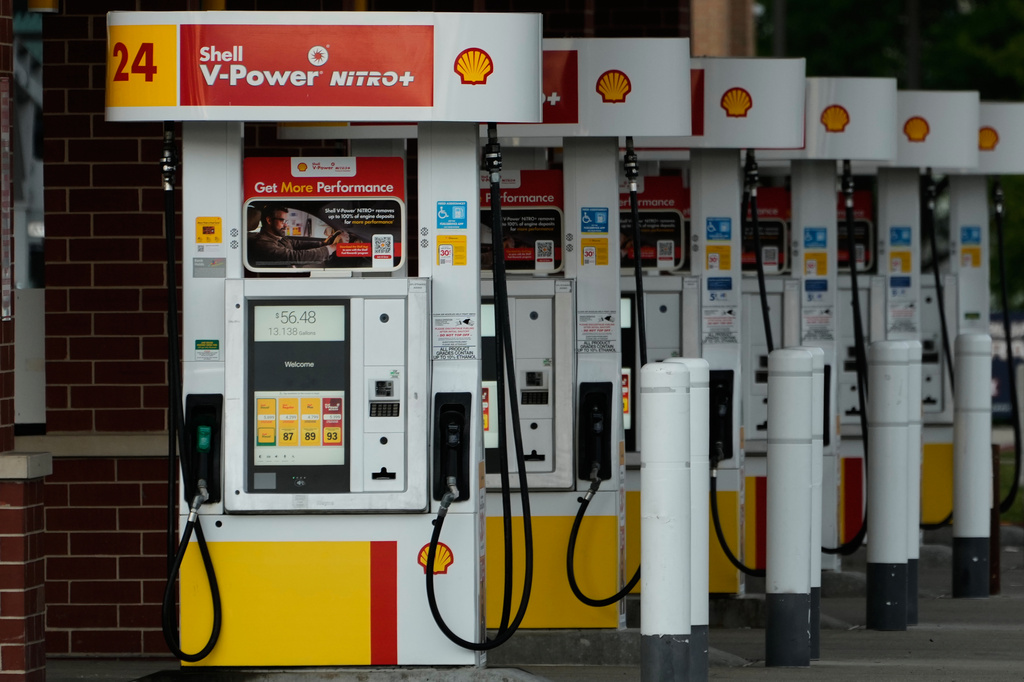

WASHINGTON (AP) — American consumers got a break from inflation last month as prices for gasoline, clothing, and used cars all fell, but that relief may be short-lived as conflict in the Middle East escalates.
According to the Labor Department, prices fell 0.4% in June compared to May — the steepest single-month drop in four years. Looking at the bigger picture, the yearly inflation rate came in at 3.5%, a notable improvement from the 4.2% year-over-year rate recorded in May and better than most economists had predicted.
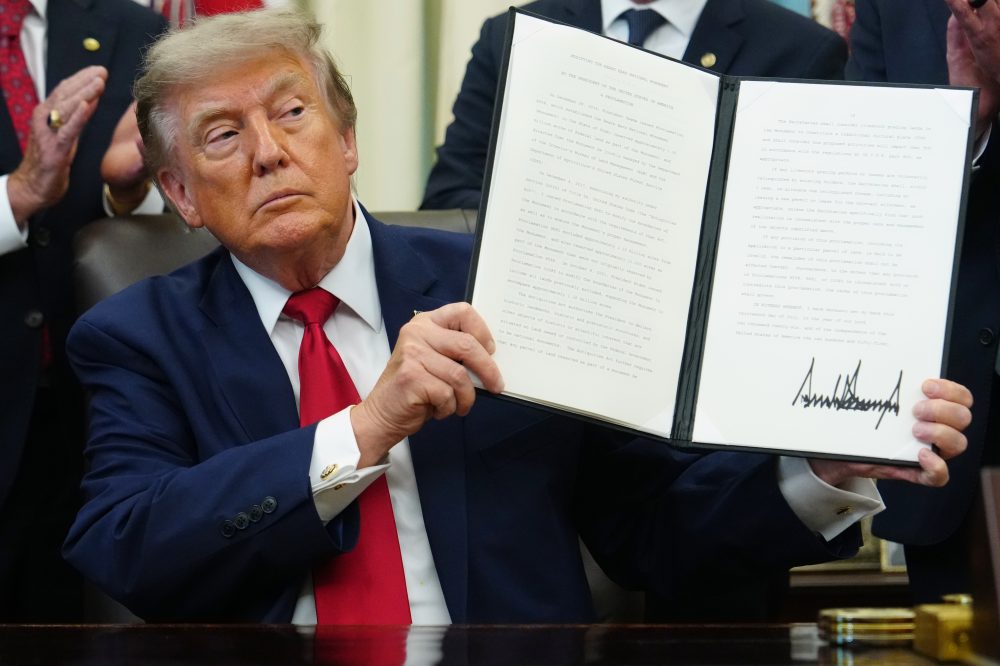
However, oil prices surged Monday after the United States launched renewed attacks on Iran and President Donald Trump announced a blockade of the Strait of Hormuz — a critical shipping corridor that handles roughly one-fifth of the world’s oil supply. The ongoing conflict adds uncertainty to the economic outlook, and years of elevated inflation have left many Americans feeling pessimistic about the economy, which could spell trouble for Trump and Republicans heading into the upcoming midterm elections.
When food and energy costs are set aside, so-called core prices held flat in June — a welcome sign that deeper inflation pressures may be easing. Core inflation on a yearly basis came in at 2.6%, down from 2.9% the month before, though it still sits above the Federal Reserve’s 2% target.
Minutes from the Fed’s June 16-17 meeting reveal that policymakers are sharply divided on what to do next. Roughly half of the committee’s members favor raising interest rates before the year ends to put the brakes on borrowing, spending, and price increases. The other half prefer to hold off and wait for further evidence that inflation is continuing to fall, particularly as gas prices decline — though those minutes were written before the latest escalation of violence in the Middle East.
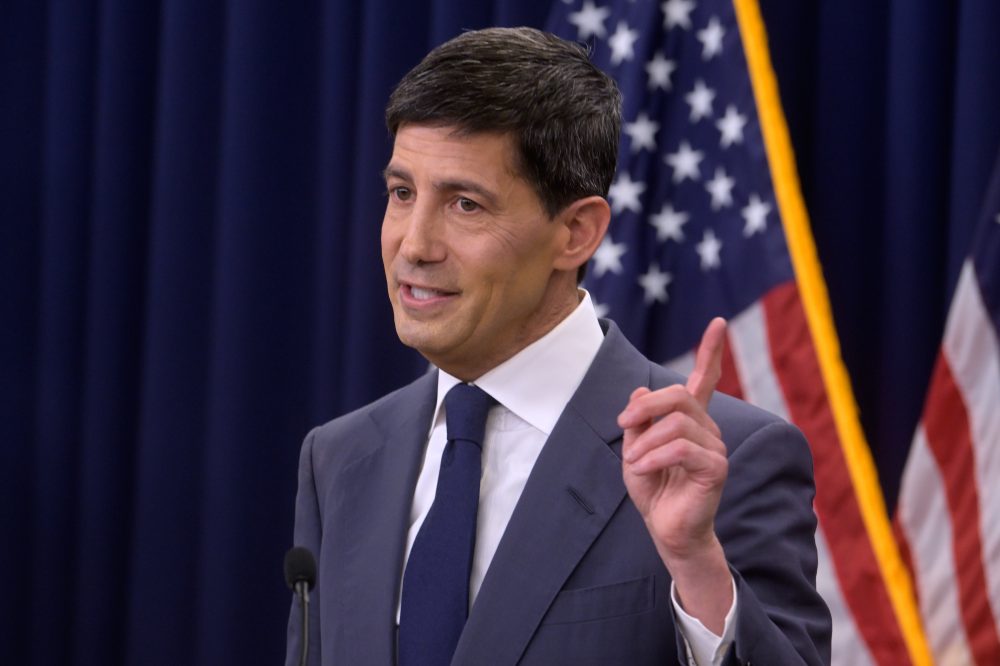
In his first appearance before Congress on Tuesday, Federal Reserve Chair Kevin Warsh vowed to make high inflation “a thing of the past,” but stopped short of signaling what the central bank plans to do next. Of the 19 members on the Fed’s rate-setting committee, about half anticipate a rate increase will be needed by year’s end, while nearly the other half have indicated they expect either no change or even a rate cut. Warsh faces the difficult task of uniting a divided committee while managing a rapidly evolving economic landscape.