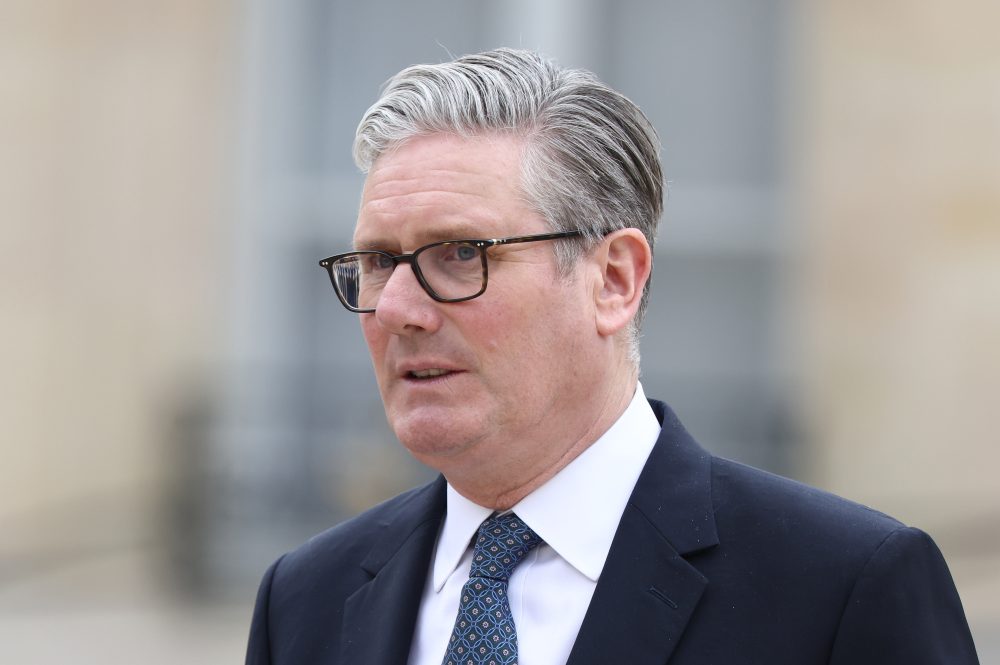

LONDON — British Prime Minister Keir Starmer confronts a political crisis as top Cabinet officials defend his leadership amid growing calls for his resignation over a controversial diplomatic appointment.
The embattled leader faces Parliament Monday following damaging revelations about his selection of Peter Mandelson as ambassador to the United States, despite security vetting failures tied to Mandelson’s association with convicted sex offender Jeffrey Epstein.
According to reports, Starmer expressed anger over not being informed that January 2025 security screenings had flagged concerns about Mandelson’s clearance. The Foreign Office proceeded with the appointment regardless of the vetting recommendations.
“He would never, ever have appointed him ambassador,” Deputy Prime Minister David Lammy stated, referring to what Starmer would have done with prior knowledge of the security issues.
Technology Secretary Liz Kendall reinforced this position during a Sunday Sky News interview, saying Starmer “is a man of integrity and there is no way he would have proceeded” if he had been aware of the vetting problems.
The controversy forced Foreign Office chief civil servant Olly Robbins to step down Thursday, though supporters argue he became an unfair scapegoat for following standard procedures. Robbins plans to present his account to the House of Commons Foreign Affairs Committee Tuesday.
Former Foreign Office permanent secretary Simon McDonald criticized Robbins’ treatment, telling the BBC he was “thrown under the bus.” McDonald explained that sensitive vetting details are typically never disclosed to prime ministers or their staff.
Opposition leaders across the political spectrum have demanded Starmer’s resignation. Conservative Party leader Kemi Badenoch declared the prime minister’s situation “untenable,” while Liberal Democrat chief Ed Davey said Sunday the government remains “in perpetual crisis” and needs new leadership.
Despite holding a substantial parliamentary majority, Starmer’s Labour Party faces internal discontent over poor polling numbers, giving his own lawmakers potential power to remove him from office.
The prime minister previously weathered February criticism over the Mandelson selection but could encounter leadership challenges following May 7 local elections, where Labour anticipates poor results.
Some Labour members believe leadership changes would prove harmful during current global tensions, including ongoing conflicts in Ukraine and the Middle East, with three years remaining before mandatory national elections.
However, others express frustration with Starmer’s pattern of missteps since Labour’s overwhelming July 2024 election triumph. His administration has struggled with economic growth promises, public service improvements, and cost-of-living relief while making several policy reversals.
Government documents released in March after parliamentary pressure revealed staff warnings to Starmer about “reputational risk” from Mandelson’s Epstein connections. The convicted financier died in custody in 2019.
Officials viewed Mandelson’s experience as former EU trade commissioner and elite connections as valuable assets for engaging President Donald Trump’s administration.
Mandelson’s tenure lasted under nine months before Starmer dismissed him in September 2025 following evidence of dishonesty regarding his Epstein ties.
January’s release of extensive Epstein-related Justice Department documents revealed Mandelson maintained contact with the financier even after Epstein’s 2008 conviction for sexual offenses involving minors.
Email evidence suggested Mandelson shared sensitive government information with potential market implications to Epstein during the 2009 financial crisis aftermath.
British authorities opened a criminal investigation and arrested Mandelson February 23 on public office misconduct suspicions.
He remains free without bail conditions as the investigation proceeds. Mandelson previously denied wrongdoing and faces no charges or sexual misconduct allegations.