
LONDON – British inflation dropped to its lowest level in 10 months during January, driven primarily by decreasing food and energy costs, according to government data released Wednesday. This downward trend has strengthened predictions that England’s central bank will reduce interest rates next month.
Government statistics show consumer prices rose 3% compared to the same period last year, a decrease from December’s 3.4% rate.
The reduction matched what financial experts had predicted and moves inflation closer to the central bank’s 2% goal in the months ahead. Earlier this month, the Bank of England maintained its primary interest rate at 3.75% while forecasting inflation would reach their target by April.
This continued decrease in rising prices offers some political relief for the Labour government, whose approval ratings have dropped significantly since taking office in July 2024, partially due to concerns over living expenses.
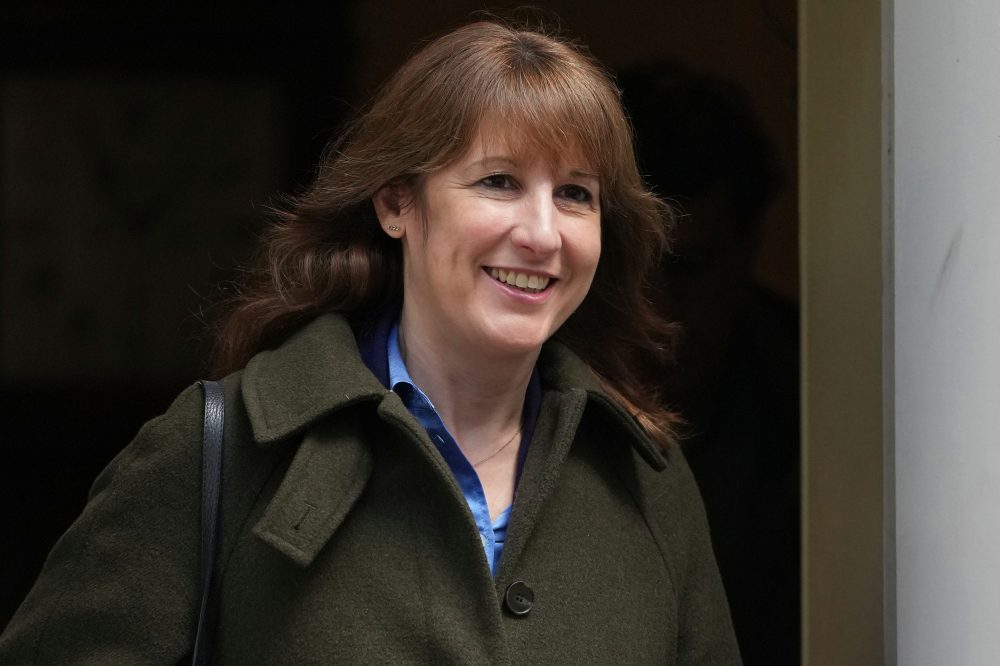
“Cutting the cost of living is my number one priority,” Treasury chief Rachel Reeves said Wednesday.
Officials expect inflation to meet the target in April, mainly because of government policies. During her November budget presentation, Reeves revealed plans to reduce certain taxes aimed at lowering household energy costs.
Given the inflation decrease, financial experts now widely anticipate an interest rate cut in March. Market analysts are focusing on how many additional cuts might occur throughout the year.
“Inflation is set to fall further in coming months, falling back to 2% in the near future, which should open up further rate cuts later this year,” said Luke Bartholomew, deputy chief economist at asset management firm Aberdeen.