
MOSCOW — Cuba’s top diplomat arrived in the Russian capital Wednesday for high-level discussions as the Caribbean island nation battles widespread electrical blackouts and critical fuel shortages intensified by American oil sanctions.
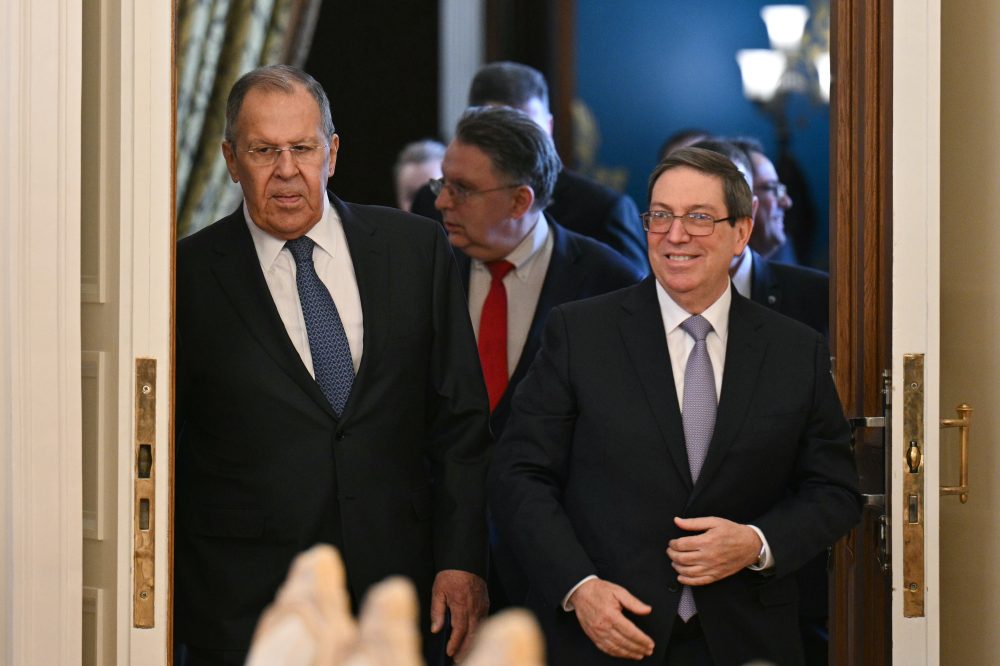
Foreign Minister Bruno Rodriguez of Cuba conducted negotiations with Russia’s Foreign Minister Sergey Lavrov and was scheduled for a subsequent meeting with Russian President Vladimir Putin.
During their discussions, Lavrov called upon the United States to abandon blockade plans against Cuba, noting the island’s difficulties in securing oil imports for electrical generation and fuel processing facilities following President Donald Trump’s tariff warnings against countries providing petroleum to Cuba.
“Together with most members of the global community, we are calling on the U.S. to show common sense, take a responsible approach and refrain from its plans of sea blockade,” Lavrov stated while meeting with Rodriguez.
The Russian foreign minister pledged Moscow’s continued commitment to “supporting Cuba and its people in protecting the country’s sovereignty and security.”
Kremlin representative Dmitry Peskov emphasized that “Russia, like many other countries, has consistently spoken against the blockade of the island.”
“We have our relations with Cuba, and we value these relations very much,” Peskov informed journalists. “And we intend to further develop them — of course, during difficult times, by providing appropriate assistance to our friends.”
When questioned about potential impacts on improving US-Russia relations if Moscow provides fuel assistance to Cuba, Peskov stated that “we don’t think these issues are linked.”
The Russian leader has commended Trump’s mediation efforts regarding the Ukraine conflict, with both Moscow and Washington exploring opportunities to rebuild economic partnerships.
Cuba lost a major petroleum source when Venezuela halted crude oil sales to the island in January following the US capture of then-President Nicolás Maduro during an early morning operation, subsequently transporting him to New York on drug trafficking charges.
Additionally, Mexico terminated oil deliveries to Cuba in January after Trump issued tariff warnings.
Last week, Russia’s Izvestia publication reported that Moscow’s embassy in Havana indicated preparations for humanitarian fuel deliveries to the Cuban capital in the coming period. Monday saw Russian Ambassador Viktor Koronelli confirm Moscow’s examination of assistance logistics for Cuba, though he provided no detailed timeline.
The fuel crisis has already impacted Russian tourism operations, forcing travel companies to suspend Cuban vacation packages after Havana announced it cannot guarantee aircraft fuel for incoming flights.