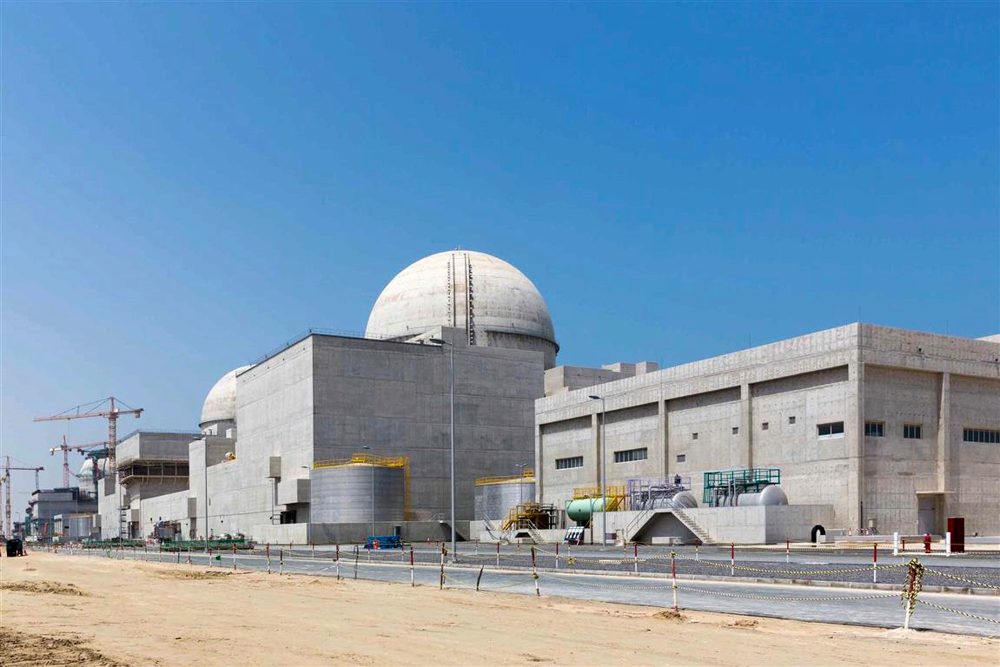

The United Arab Emirates announced Tuesday that unmanned aircraft which struck the nation’s Barakah nuclear facility all originated from Iraqi territory, according to the country’s Defense Ministry. This development suggests Iranian-backed Shiite militias were behind the assault.
These militant groups have conducted numerous unmanned aircraft strikes against Gulf Arab nations since Israel and the United States started their conflict with Iran on Feb. 28. Such militias have historically given Iran a way to avoid responsibility for these types of attacks.
Officials reported no casualties or radiation leaks at Barakah following the strike, which Emirati authorities said struck a power generator located on the facility’s outer boundary.
The UAE, which houses air defense systems and personnel from Israel, has recently blamed Iran for conducting unmanned aircraft and missile strikes even following the April 8 start of its ceasefire with the U.S.
Strain has increased around the Strait of Hormuz, a crucial energy shipping route controlled by Iran while its harbors face a U.S. naval blockade. A maritime tracking company announced Tuesday that vessel movement through the waterway more than doubled last week, though it remains well below pre-conflict numbers.
No organization has taken credit for the nuclear facility attack, although Iran and its allied groups were under suspicion.
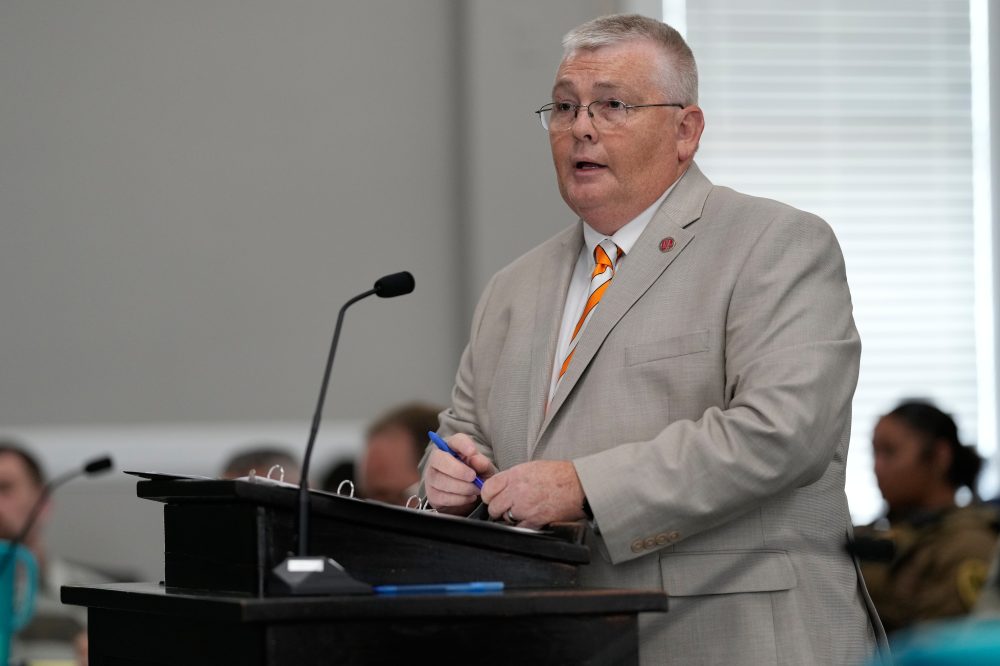
Iraqi government spokesman Bassem al-Awadi, while not directly responding to the Emirati Defense Ministry’s findings, released a statement declaring that Baghdad “expresses its strong condemnation of the recent drone attacks targeting the UAE.”
“We also emphasize the importance of effective regional and international cooperation to prevent any escalation or harm to the stability of the region, or any targeting of the security and sovereignty of sisterly and friendly nations,” al-Awadi added.
The Emirati Defense Ministry reported three additional unmanned aircraft targeted the nation in the past two days, though they did not specify what these aircraft aimed for. Saudi Arabia, which had also denounced the nuclear plant strike, subsequently announced it had stopped three unmanned aircraft that came from Iraqi airspace.
The $20 billion Barakah nuclear facility was constructed by the UAE with South Korean assistance and became operational in 2020. It stands as the Arab world’s sole nuclear power facility and can supply one-fourth of the energy requirements in the UAE, a union of seven sheikhdoms that includes Dubai.
Earlier Tuesday, a senior Emirati diplomat indirectly criticized regional nations regarding the attacks his country has endured.
“The confusion of roles during this treacherous Iranian aggression is baffling, encompassing the Gulf Arab region’s surrounding states,” Anwer Gargash wrote on X. “The victim’s role has merged with that of the mediator, and vice versa, while the friend has turned into a mediator instead of being a steadfast ally and supporter.”
Lloyd’s List Intelligence maritime tracking company reported 54 vessels passed through the strait during the week of May 11, more than twice the 25 ships recorded the previous week.
Movement through the waterway remains minimal compared to pre-war levels, when 130 or more ships passed through daily.
The previous week’s traffic included 10 China-owned vessels after Tehran announced it would allow certain Chinese ships to pass, Lloyd’s reported Tuesday on X. Two carried cooking gas bound for India.
Iran has established an unclear approval process for ships attempting to exit the Persian Gulf, which sometimes requires payment and bars U.S. and Israeli vessels.
The Chinese ships’ departure occurred as U.S. President Donald Trump visited China last week trying to pressure Beijing regarding Iran. Iran relies on China as its only remaining major buyer for its heavily sanctioned oil.
India, which faces a politically sensitive cooking gas shortage from the Gulf, has obtained passage for some of its ships through diplomatic talks with Iran.