
WASHINGTON — Federal lawmakers have temporarily extended a controversial surveillance program until June 12, preventing its Friday expiration while negotiations continue over long-term reforms.
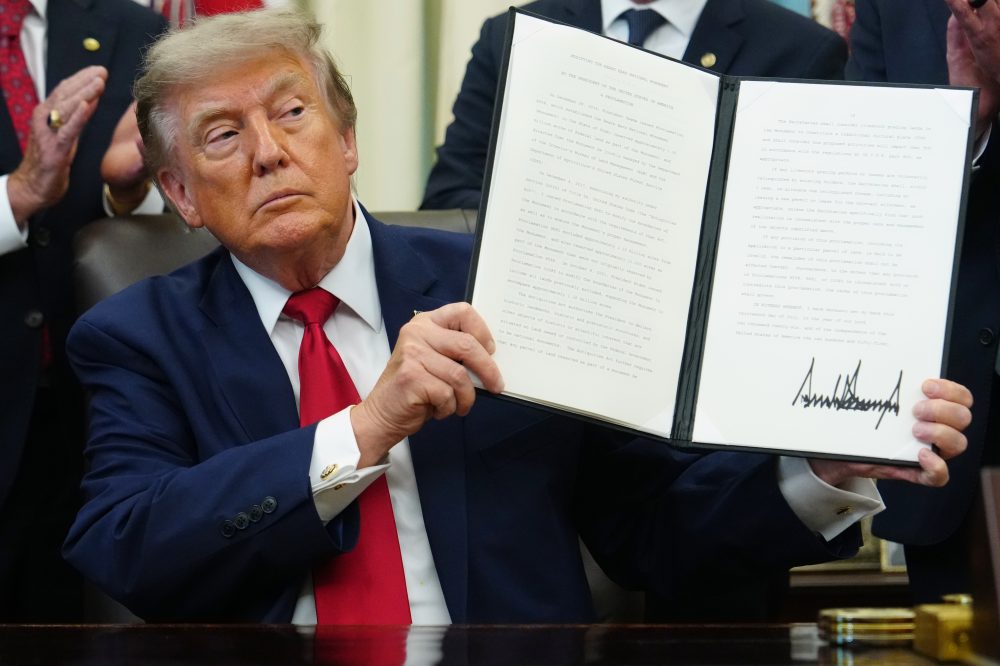
Both chambers of Congress approved the brief extension Thursday, sending it to President Donald Trump for his signature. This stopgap measure comes after the House had already passed a three-year renewal, but lawmakers need additional time to hammer out a final deal.
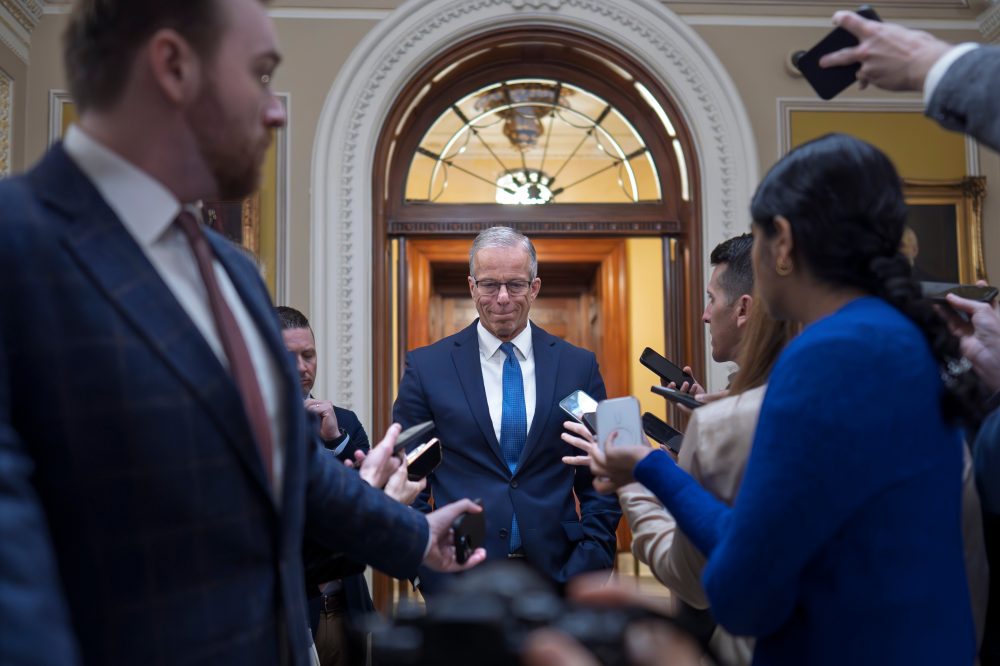
“I don’t like kicking the can down the road. Not my jam. But that’s where we are,” Senate Majority Leader John Thune, R-S.D., stated.
For weeks, Trump and intelligence leaders have pushed lawmakers to reauthorize a crucial section of the Foreign Intelligence Surveillance Act. This provision enables agencies including the CIA, National Security Agency and FBI to gather communications from overseas targets without obtaining warrants.
However, talks have hit roadblocks due to worries that the program inadvertently captures Americans’ communications. Those opposed to the current system want warrant requirements when accessing such communications.
The Senate passed Thursday’s temporary extension through unanimous consent. The House approved it with bipartisan backing in a 261-111 vote, with numerous Democrats supporting the Republican majority.
“I won’t oppose this short extension, but only because it is my fervent hope and determination it will give us the time to work together across the aisle to implement meaningful reforms,” stated Rep. Jamie Raskin, the ranking Democrat on the House Judiciary Committee.
Several House Republicans voiced opposition before the vote. Kentucky Rep. Thomas Massie has been among GOP members demanding warrant requirements.
“A short term infringement of the Constitution is still an infringement of the Constitution,” Massie declared on the House floor.
Thune indicated Thursday that the June extension would provide Congress time to collaborate with the White House on program modifications.
“We’ll get to work in earnest and try to find something you actually are able to do a long term extension of the authorization with,” Thune explained.
Worries about surveillance without warrants have complicated efforts by Republican leadership to secure long-term renewal. Earlier this month, lawmakers approved a brief extension through April 30 following a chaotic late-night session.
House GOP leaders appeared to gain momentum Wednesday, overcoming a procedural obstacle for three-year renewal after convincing several Republican holdouts. The measure subsequently passed with bipartisan backing.
However, House leaders attached separate legislation prohibiting a central bank digital currency to secure additional votes. Senate leaders indicated that provision would not advance in their chamber.
Thune said he informed Johnson Wednesday that “what they sent us, we weren’t going to be able to process over here.”