
CAIRO (AP) — For the 13th straight night, U.S. military forces launched strikes against Iran on Thursday, hitting key military installations and commercial facilities as the fight over critical shipping lanes continued to intensify. The latest round of attacks followed a declaration by Yemen’s Iran-backed Houthi rebels that they had targeted two Saudi oil tankers in the Red Sea — a development that threatens to expand the conflict further, with international oil prices crossing the $100-per-barrel mark.
Shortly after the strikes were announced, Iranian state media reported explosions in Bandar Abbas, a port city that serves as a vital hub for both military supply movements and commercial trade. Two people were reportedly injured there.
Additional blasts were reported on Qeshm Island, which houses naval assets including drone boats Iran can deploy against vessels traveling through the Strait of Hormuz. Explosions were also reported in areas to the northwest, near Andimeshk, Omidiyeh, and Firuzabad. Iranian state media reported that four people were killed and five others wounded when a U.S. missile struck the outskirts of Ahvaz, along the Karun River.
U.S. Central Command stated that the strikes were intended to “further degrade Iran’s ability to threaten civilian mariners and commercial vessels transiting regional waters.” The command said the attacks wrapped up shortly before 5 a.m. local time on Friday. American forces are working to reassert control over the Strait of Hormuz, a waterway that handled roughly one-fifth of the world’s oil and gas traffic before the conflict began.
The Houthi rebels, meanwhile, threatened to close off yet another major trade corridor — adding pressure to a global economy already struggling with Iran’s blockade of the Strait of Hormuz. Both Iran and the U.S. have ramped up their operations as they compete for dominance over the strait, sending nations scrambling to find alternative shipping routes.
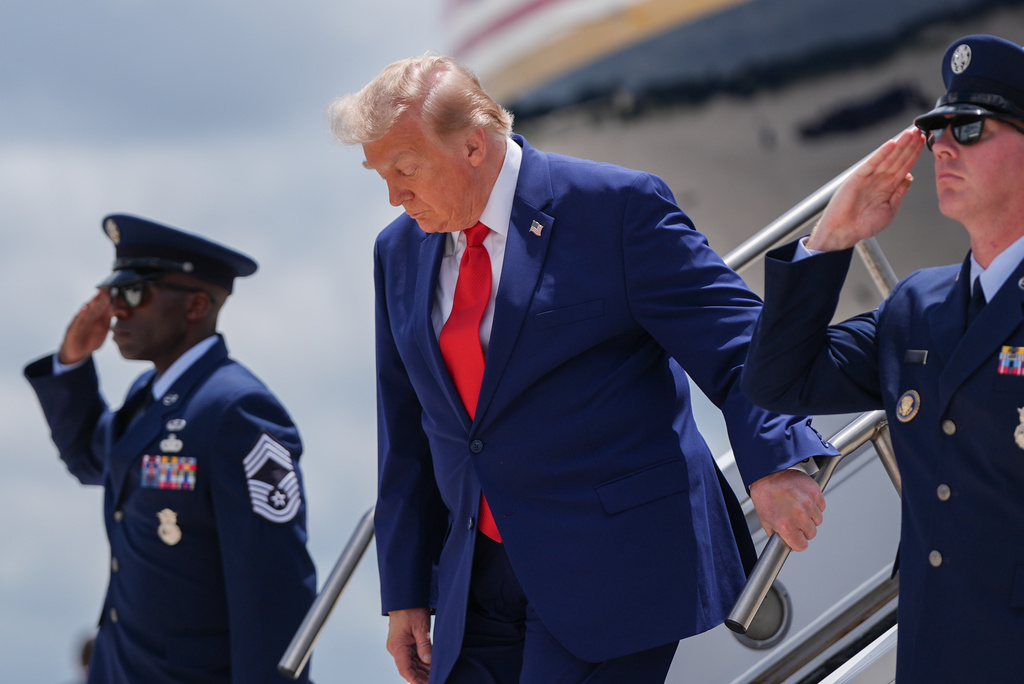
President Donald Trump issued a stark warning to the Houthis, threatening serious consequences if their attacks on ships do not stop.
“If they do this again, the U.S. will hold Iran responsible, in that the Houthis are a Surrogate and/or Proxy of Iran, and major military punishment will be inflicted upon Iran and, of course, the Houthis, themselves,” Trump posted on social media.
Iraqi Prime Minister Ali al-Zaidi, whose country maintains close relationships with both the U.S. and Iran, traveled to Tehran on Thursday to urge peace and open dialogue. His office said he pledged that Iraqi soil would not be used as a launchpad for attacks against Iran. Al-Zaidi had met with Trump earlier this month in Washington.
At the heart of the dispute is control of the Strait of Hormuz. Iran has asserted its right to manage traffic through the waterway and potentially collect tolls — a significant change from the pre-war era when the strait was open to all ships without charge. Iran has attacked vessels using a passage through the strait that is overseen by U.S. forces and meant to operate beyond Tehran’s authority.
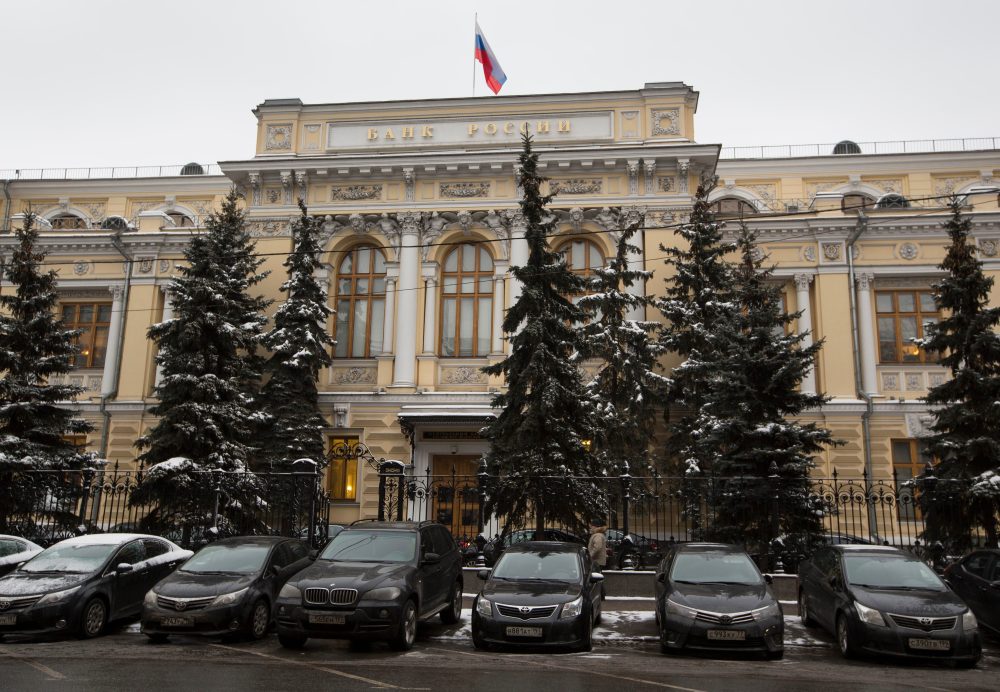
Trump also announced on social media Thursday that Iranian funds currently held by the United States would be used to compensate for damages done to ships and cargo caught up in the conflict.
“Please let this statement serve to represent, until further notice, that from this point forth, any and all damages done to Ships, Cargo, or anything related thereto, will be paid for by Iranian Money that the United States has in its possession, and controls,” Trump said, calling it “the fair and equitable thing to do.”
It remained unclear what legal steps Trump would take to access and use those funds. Iran’s Foreign Minister Seyed Abbas Araghchi called such a move an “incendiary” precedent.
“Those who celebrate or profit from such funds should remember: once governments normalize confiscation, no one’s assets are safe,” Abbas Araghchi wrote on social media early Friday. “Ensuing chaos will not be pretty or peaceful.”
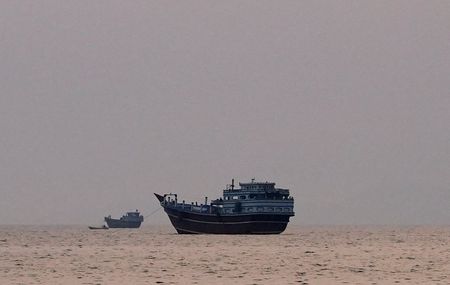
In response to Iranian aggression, the U.S. has broadened its strike campaign across Iran and reinstated a naval blockade of Iranian ports. U.S. Central Command reported that roughly a dozen commercial ships have been redirected and one has been disabled since the blockade was restored.
The war of words has grown sharper as well. Iranian Foreign Minister Abbas Araghchi declared that Tehran would pursue an “eye for an eye” response to U.S. strikes on Iranian infrastructure. Secretary of State Marco Rubio fired back, saying Trump’s approach goes further — “a head for an eye.”
“The price will continue to get higher every single night until they come to their senses,” Rubio told reporters while traveling in the Philippines for a regional summit.