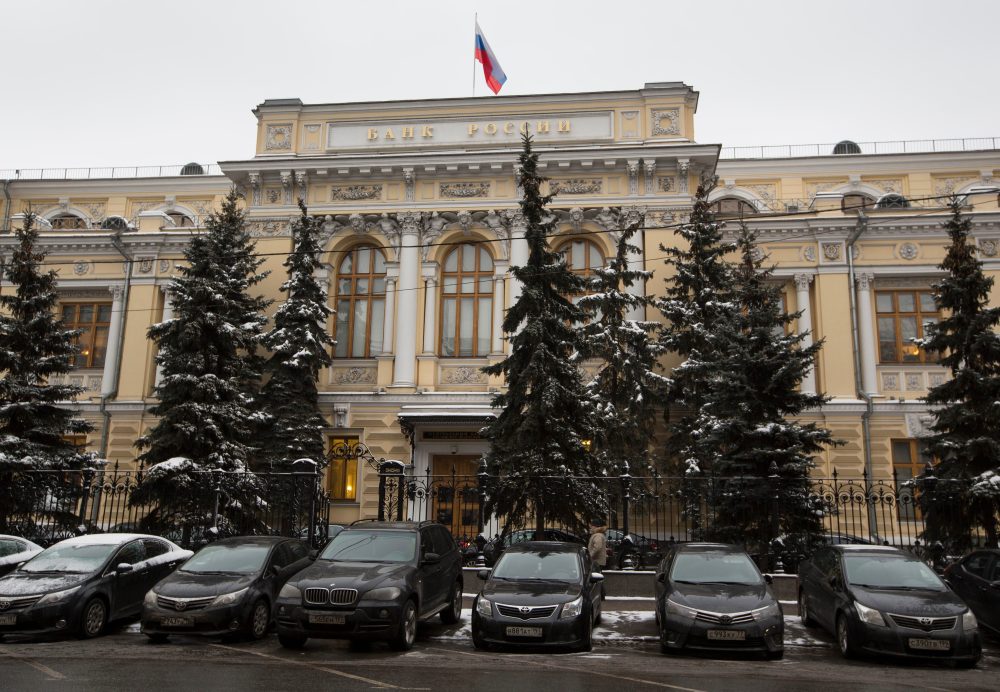

FRANKFURT, Germany — Russia’s central bank took a measured step on Friday, cutting its key interest rate by just a quarter of a percentage point — a smaller reduction than it has made in previous months — as it tries to walk a fine line between supporting a slowing economy and keeping inflation in check.
The rate now stands at 14%, down from a high of 21% last year. Until a quarter-point reduction on June 19, the bank had been cutting rates by at least half a percentage point at a time. The slower pace of cuts reflects a balancing act between the demands of Russian businesses and the bank’s goal of bringing annual inflation down to 4%.
High interest rates help fight inflation, but they also raise borrowing costs for companies trying to invest or manage day-to-day expenses. Just two days before Friday’s decision, Alexander Shokhin, who leads the Russian Union of Industrialists and Entrepreneurs, cautioned that businesses could face a wave of “autumn bankruptcies” if rates stayed where they were.
Russia’s economy has held up better than many analysts anticipated following Western sanctions imposed after President Putin ordered the invasion of Ukraine. Continued oil exports have helped prop up the federal budget, and military production contracts have kept factories busy.
However, inflation has been driven higher by elevated government spending tied to the war, as well as rising fuel prices caused by Ukrainian drone attacks that have knocked out refineries and created shortages in certain parts of the country. Despite these pressures, unemployment remains low, and the central bank noted that some of the current inflation is likely due to temporary factors.
As of July 20, annual inflation was running at 5.9%, and forecasts put it between 6% and 7% next year — still well above the bank’s 4% goal. At the same time, businesses have reported sharply reduced expectations for both consumer demand and output.
Economic growth has cooled considerably, dropping from more than 4% annually in 2023 and 2024 to just 1% last year, as the boost from heavy defense spending has faded. The Russian government is projecting only 0.4% growth this year. Adding to the economic strain, Ukrainian drone strikes recently hit warehouses belonging to Wildberries, the country’s largest online retailer and a key sales platform for hundreds of thousands of small businesses.