
The military conflict between the United States and Iran appears far from over, as both nations indicate the fighting will continue despite mounting casualties and global economic disruption.
Speaking at a Kentucky rally on Wednesday ahead of November’s midterm elections, President Donald Trump declared that America had achieved victory in the nearly two-week conflict but emphasized the importance of completing their mission. “We don’t want to leave early do we?” Trump told the crowd. “We got to finish the job.”
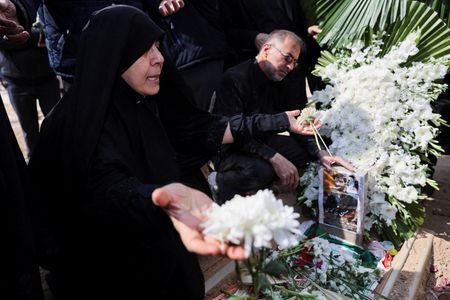
The conflict, which began with coordinated American and Israeli airstrikes, has claimed approximately 2,000 lives, predominantly Iranian and Lebanese casualties, according to reports. The violence has expanded into Lebanon and created widespread disruption to global energy supplies and shipping routes.
UNICEF reported that over 1,100 children have been either killed or wounded in the fighting.
Iran has responded with aggressive moves targeting global oil supplies, including attacks on shipping vessels. Iranian forces using explosive-laden boats struck two fuel tankers in Iraqi territorial waters, igniting massive fires and killing one crew member. Additional projectiles hit three other ships in Gulf waters, according to maritime security firms and port authorities.
The attacks have severely impacted the Strait of Hormuz, a critical waterway that typically handles about one-fifth of global oil transport. An Iranian military official confirmed Wednesday that the strait remains “undoubtedly” under Iranian control, effectively blocking safe passage for commercial vessels.
Energy markets have reacted dramatically to the supply disruptions. Oil prices, which peaked near $120 per barrel earlier this week before dropping to around $90, jumped nearly 5% on Wednesday and continued climbing in Asian markets Thursday. Wall Street’s major indices declined amid the uncertainty.
In response to the crisis, the International Energy Agency announced an unprecedented intervention, recommending the release of 400 million barrels from global strategic reserves to combat what officials called one of the worst oil shocks since the 1970s. Energy Secretary Chris Wright confirmed Trump had authorized releasing 172 million barrels from America’s Strategic Petroleum Reserve beginning next week.
Iran has made clear its intention to use oil prices as a weapon in the conflict. A spokesperson for Iran’s military command issued a stark warning to the United States: “Get ready for oil to be $200 a barrel, because the oil price depends on regional security, which you have destabilised.”
Trump claimed American forces had destroyed 58 Iranian naval vessels and asserted that Iran was “pretty much at the end of the line.” He said the U.S. would focus heavily on the Strait of Hormuz situation, stating: “The straits are in great shape. We’ve knocked out all of their boats. They have some missiles, but not very many.”
However, intelligence sources indicate Iran has placed approximately a dozen mines in the shipping channel, further complicating efforts to restore safe passage.
The G7 nations – including the United States, Canada, Japan, Italy, Britain, Germany, and France – agreed Wednesday to explore providing military escorts for commercial ships attempting to navigate Gulf waters.
Despite intensive Pentagon airstrikes described as the most severe since the conflict began, Iran demonstrated its continued fighting capability by striking targets in Israel and across the Middle East on Wednesday.
American officials have stated their objectives include eliminating Iran’s ability to project military power beyond its borders and dismantling its nuclear program. An Israeli military source revealed an extensive target list remains, including ballistic missile facilities and nuclear-related installations.
The conflict has expanded beyond military targets. After overnight strikes hit banking offices in Tehran, Iran threatened to attack financial institutions conducting business with the U.S. or Israel, warning civilians to stay 1,000 meters away from banks throughout the Middle East.
Security concerns have reached American shores, with ABC News reporting that the FBI has issued warnings about potential Iranian drone strikes on the West Coast. However, Trump dismissed concerns about attacks on U.S. territory.
The State Department has issued alerts regarding possible Iranian militia attacks on American-owned oil and energy infrastructure in Iraq, noting that such groups have previously targeted hotels frequented by Americans.
Analyst Tony Sycamore from IG described the tanker attacks as “a direct and forceful Iranian response to the IEA’s overnight announcement of a massive strategic reserve release aimed at cooling runaway prices.”
As pump prices continue rising nationwide, oil costs have become an increasingly critical factor in military and political decision-making surrounding the conflict.