
Global oil markets experienced sharp increases Thursday following reports that two fuel tankers were struck by attackers in Iraqi territorial waters, leading both vessels to catch fire.
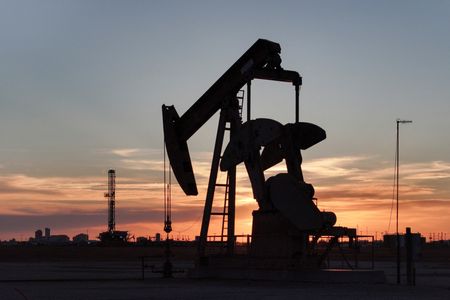
Brent crude futures jumped $5.69 per barrel, reaching $97.67 – a 6.19% increase as of early Thursday morning. Meanwhile, U.S. West Texas Intermediate crude climbed $5.11 to $92.36 per barrel, marking a 5.86% gain.
According to Farhan al-Fartousi, director general of Iraq’s General Company for Ports, the two international tankers transporting Iraqi fuel oil were targeted by unknown assailants Wednesday. Iraqi security investigators determined that explosive-equipped vessels from Iran were responsible for striking both tankers.
Market analyst Tony Sycamore from IG suggested the attacks represent Iran’s direct retaliation against recent international efforts to stabilize oil markets. “This appears to mark a direct and forceful Iranian response to the IEA’s overnight announcement of a massive strategic reserve release aimed at cooling runaway prices,” Sycamore explained.
The International Energy Agency recently approved releasing an unprecedented 400 million barrels from strategic oil reserves to combat price spikes caused by supply disruptions from the ongoing U.S.-Israeli conflict with Iran. The United States plans to contribute 172 million barrels from its Strategic Petroleum Reserve as part of this coordinated effort.
However, market experts question whether reserve releases can provide lasting relief. “The IEA’s release of oil reserves may be only a temporary solution, as disruptions to oil shipments through the Strait of Hormuz and a major production halt in some Middle Eastern countries could cause a long-term supply crunch,” warned Tina Teng, a market strategist with Moomoo ANZ.
President Donald Trump addressed the situation Wednesday, stating that the United States was in “very good shape” regarding its military operations against Iran. Trump added that America would “look very strongly at the straits,” referencing the critical Strait of Hormuz shipping route.
Despite ongoing military pressure, intelligence sources indicate Iran’s government structure remains stable and faces no immediate threat of collapse.
“Oil prices continued to face upside pressure as there were no signs of war de-escalation in the Middle East,” Teng noted, highlighting concerns about prolonged regional instability affecting global energy markets.