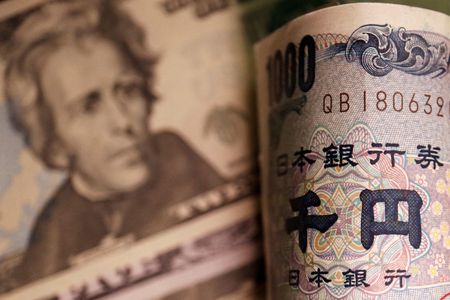

The American dollar maintained strength close to its highest point in a week on Thursday following reports that the United States conducted fresh military strikes against Iran at a military facility, according to a Reuters report. At the same time, Japan’s currency declined toward levels that prompted central bank action last month.
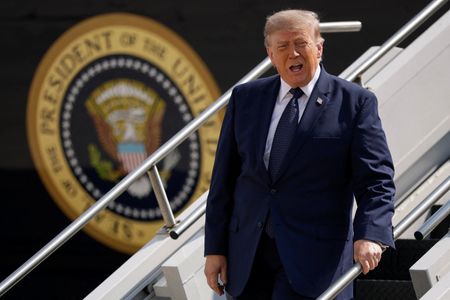
The military action has created complications for ongoing diplomatic discussions between Washington and Tehran. On Wednesday, President Donald Trump expressed dissatisfaction with potential Iranian agreements, stating he was “not satisfied” regarding any deal with Iran. He also rejected claims from Iranian state media suggesting Iran and Oman would share control of Strait of Hormuz shipping as part of peace negotiations.
Energy prices climbed while the dollar found support as investors lost confidence in quick diplomatic solutions. Market watchers increasingly anticipate the American currency will continue rising as the Federal Reserve prioritizes fighting inflation amid higher energy costs.
“Geopolitics and the subsequent inflation risks remain a key concern,” wrote Alex Saunders, Citi’s head of global quant macro strategy. “We continue to see a trim in the USD underweight.”
European currencies declined against the dollar, with the euro dropping slightly to $1.1620 and the British pound falling 0.1% to $1.34176.
Currencies sensitive to market risk also weakened, including the Australian dollar which fell 0.2% to $0.71305, while New Zealand’s currency remained mostly unchanged at $0.58965.
The dollar index, tracking the greenback’s performance against six major trading partners, held steady at 99.288, approaching its strongest position since May 22.
Financial markets are now awaiting today’s release of the Federal Reserve’s preferred inflation measurement, the core PCE deflator, which will influence future interest rate expectations.
Japan’s yen declined as low as 159.60 against the dollar Thursday, marking its weakest level since April 30 and approaching the 160 threshold that triggered Japanese government market intervention last month.
While that intervention provided temporary relief for policymakers, questions remain about its long-term effectiveness, according to Tony Sycamore, a market analyst at IG.
“The broader question is whether it was worth it for what essentially amounts to just a single month’s relief. And furthermore, will authorities have the stomach to write a similar-sized cheque if the 160 level is breached again in the coming sessions?” he said.
Financial markets are currently pricing approximately a 70% probability of a quarter-point interest rate increase at the Bank of Japan’s June 15-16 policy meeting, according to LSEG data.