
The U.S. Interior Department announced Friday that it is eliminating a rule that had automatically extended protections to plants and animals classified as threatened with extinction — marking another significant rollback of the landmark Endangered Species Act under President Donald Trump’s administration, largely at the urging of industry groups.
Under the new approach, species placed on the threatened list will no longer receive blanket safeguards. Instead, each will require its own individualized protection plan — a process that could take considerable time and during which energy companies and developers could seek exemptions for oil and gas drilling, mining, and other activities in areas where those species are found.
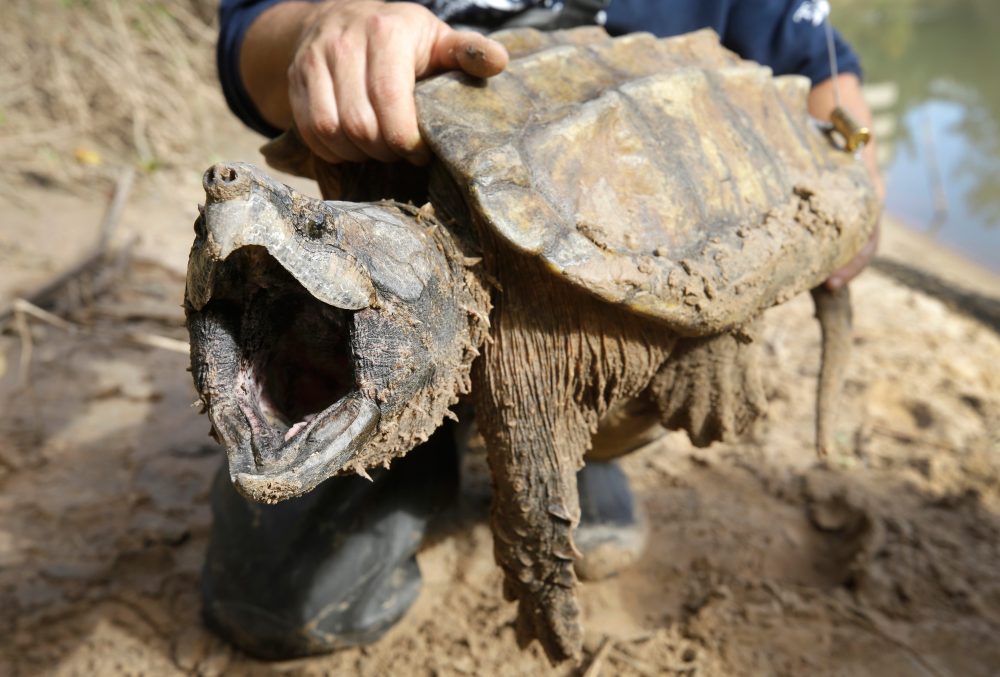
Environmental advocates warned the change puts vulnerable wildlife at greater risk of disappearing entirely, pointing to species such as monarch butterflies and alligator snapping turtles that are currently awaiting federal protections.
Interior Secretary Doug Burgum defended the decision, saying the Endangered Species Act had been misused for too long “to stop almost any new project in America, driving up costs for families, weakening our competitiveness, and undermining our national security.”
Burgum also stated that “success should be measured by species recovery and delisting, not by adding more species to the list.”
A second rule change finalized the same day will require government officials to weigh economic consequences when determining whether a particular area qualifies as critical habitat for a species. Opponents argue this gives corporations undue influence over decisions that could allow development in sensitive wildlife areas.
Noah Greenwald of the environmental organization Center for Biological Diversity warned of the consequences: “If you’re exempting certain industries that cause habitat destruction, in many instances you’ll be exempting the main threat to those species.”
Similar policy changes were made during Trump’s first term in office but were later reversed when the Biden administration came to power.
The automatic protection rules being eliminated date back decades — wildlife received those blanket protections starting in 1975, with plants added to the coverage in 1977.
Two organizations, the Rocky Mountain Elk Foundation and the Property and Environment Research Center, filed a lawsuit against the Biden administration in 2024 after blanket protections were restored. They argued the rule unfairly burdened landowners even when a species improved from the more severe “endangered” classification to the lesser “threatened” status.
Jonathan Wood, vice president at the Montana-based research center, said the old rule removed incentives for landowners to help with species recovery. He said the Trump administration’s new framework allows officials to “better reward progress and encourage proactive conservation.”
No new species have been added to the endangered or threatened lists during Trump’s current term. In contrast, more than 20 species were added during his first term, and roughly 60 were added under the Biden administration.
Approximately 30 species are currently proposed for threatened status, including California spotted owls, monarch butterflies, alligator snapping turtles, and various snakes, fish, clams, and insects.
The pace and scope of changes to endangered species policy have moved more rapidly in Trump’s second term than in his first. In March, the administration exempted oil and gas drilling in the Gulf of Mexico from the Endangered Species Act, citing concerns raised by Defense Secretary Pete Hegseth that environmental lawsuits were threatening domestic energy production.
Last week, Interior officials significantly narrowed the legal definition of what constitutes “harm” to a species, a change that would allow development in critical wildlife habitat as long as animals are not directly killed or injured in the process.
Earlier this week, officials also dramatically reduced the amount of Rocky Mountain habitat federally designated as critical for Canada lynx, forest-dwelling wildcats facing threats from climate change and other pressures.
Also this week, Burgum announced during a visit to Montana that the U.S. Fish and Wildlife Service would transfer greater management authority over grizzly bears to the states where they reside — a longstanding goal for the Republican governors of Wyoming, Idaho, and Montana.
The Endangered Species Act is widely credited with rescuing iconic American species, including the bald eagle and the American alligator, from the edge of extinction.
Burgum noted Friday that 97% of species that have received protections under the law still retain them — a statistic that has frustrated Republican lawmakers who argue that recovered species should be removed from the protected lists more quickly.