
UNITED NATIONS — On Thursday, the Trump administration revealed plans to provide an additional $1.8 billion in humanitarian funding to the United Nations, with officials stating the resources will support disaster relief efforts, combat famine, and assist “people who are truly in critical need.”
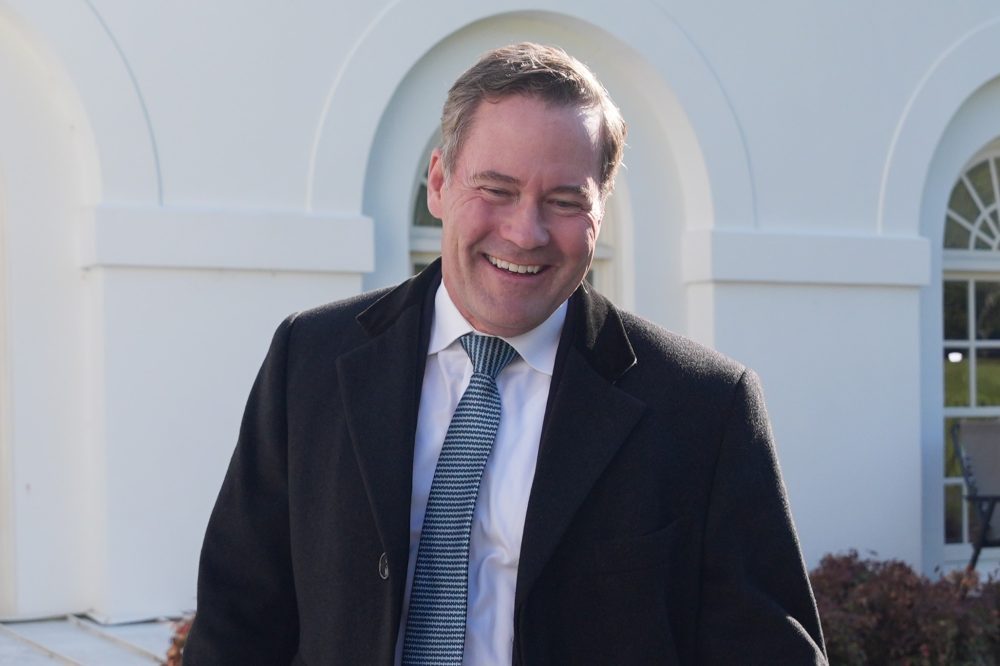
This funding will be distributed throughout the next year and supplements the $2 billion commitment made by the Trump administration in December. During a press conference, Mike Waltz, the U.S. ambassador to the United Nations, described this new funding as just “the latest step.”
While the contribution represents less than historical U.S. funding levels, President Donald Trump’s administration views it as a substantial commitment that preserves America’s position as the world’s leading humanitarian contributor.
The Trump administration has reduced billions in U.S. foreign assistance, forcing U.N. agencies to cut expenditures, terminate aid programs and eliminate thousands of positions. Additional traditional U.N. contributors including Britain, France, Germany and Japan have similarly decreased their aid commitments.
U.N. humanitarian chief Tom Fletcher described his agency as “overstretched, underresourced and literally under attack” and emphasized its 2026 goal to assist 87 million of the world’s most vulnerable people with $23 billion in funding — despite 300 million people requiring humanitarian assistance.
Prior to Waltz’s announcement, he noted, the U.N. had secured approximately $7.4 billion. He characterized the United States as “the single largest national donor” to the United Nations.
Waltz criticized what he described as a media narrative suggesting the U.S. has abandoned helping those in need, calling it “absolutely false.”
Under Trump’s leadership, the U.S. has adopted a selective approach to United Nations dues payments, choosing which operations and agencies align with Trump’s priorities while avoiding those that no longer serve U.S. interests. The State Department has stated “individual U.N. agencies will need to adapt, shrink, or die.”
Critics argue the Western aid reductions have been misguided, pushing millions toward starvation, displacement or illness, and weakening U.S. soft power globally.