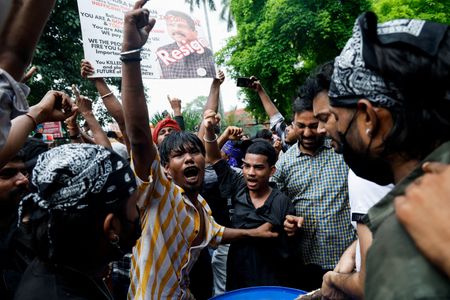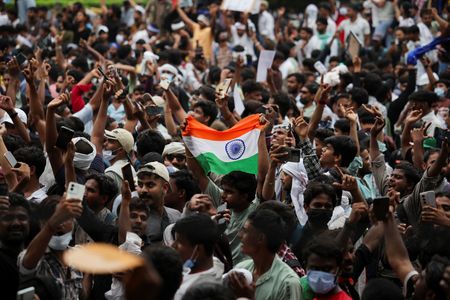

India’s Education Minister Dharmendra Pradhan resigned Saturday after sustained public demonstrations calling for his removal over the leak of examination questions in May — a scandal that disrupted the academic futures of approximately 2 million students.
Here’s a breakdown of what triggered the protests and where things stand today.
WHY DID PROTESTERS DEMAND PRADHAN’S RESIGNATION?
The demonstrations were set off by the cancellation of the National Eligibility cum Entrance Test, known as NEET — India’s undergraduate medical school entrance examination — after its questions were found to have been leaked ahead of the test date. Around 2 million students across the country sat for the exam on May 3, only for it to be thrown out entirely. More than a dozen student suicides have been linked to the fallout from the cancellation. A replacement exam was administered in June.
WHY DOES NEET MATTER SO MUCH?
NEET serves as the only pathway into undergraduate medical programs throughout India. Each year, millions of hopeful students compete for fewer than 150,000 available seats, making it one of the most competitive entrance exams in the country. The situation also reflects deeper problems within India’s higher education system, where a severe shortage of spots forces students to study intensively for months or even years, often leaving them financially strained and mentally exhausted.
HAVE EXAM LEAKS HAPPENED BEFORE?
Question paper leaks are not uncommon in India. NEET questions were similarly leaked in certain areas earlier in 2024, though no retake was ordered at that time. Leaked exam papers have also surfaced for other high-stakes tests in the country of 1.4 billion people, including recruitment exams for police constables and teachers.
WHAT MADE THIS LEAK DIFFERENT?
This year’s leak coincided with the emergence of a self-named satirical movement called the Cockroach Janta Party, or CJP, which analysts say effectively channeled the frustration of India’s youth into organized protest. The group gathered millions of Instagram followers within just days of its creation in mid-May. Analysts note that it tapped into the concerns of people under 30 — who account for more than half of India’s population — including high youth unemployment and the latest exam scandal.
HOW DID THE GOVERNMENT RESPOND AT FIRST?
Pradhan had pledged the government’s commitment to addressing youth concerns and promised reforms to the examination system. Prime Minister Modi vowed to hold those responsible for the leaks accountable. The government also proposed changes to existing laws that would allow for heavy fines and prison sentences for offenders, to be prosecuted in specially established courts. Protesters were unsatisfied with those measures and continued to demand Pradhan’s resignation as a first step.
WHERE DO THINGS STAND NOW?
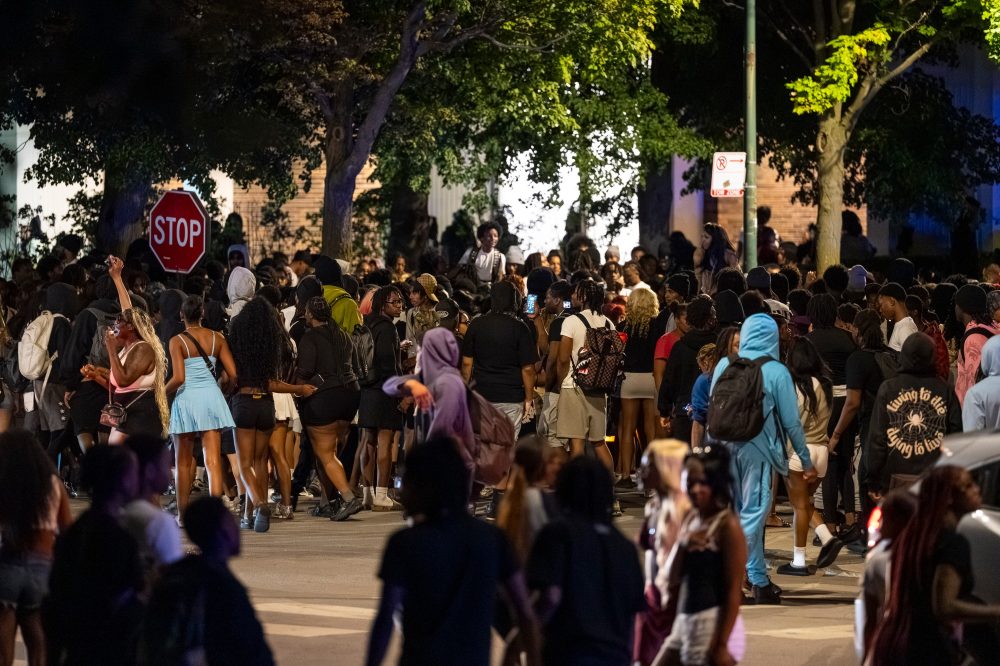
Celebrations broke out Saturday at the Jantar Mantar protest site in central Delhi, where demonstrators have been gathered for over a month. However, the founder of CJP stated that the government must still meet two additional demands before the protests can conclude: providing compensation to the families of students who died by suicide as a result of the NEET paper leak, and taking action against police officers accused of using excessive force against protesters who marched on parliament on Monday.