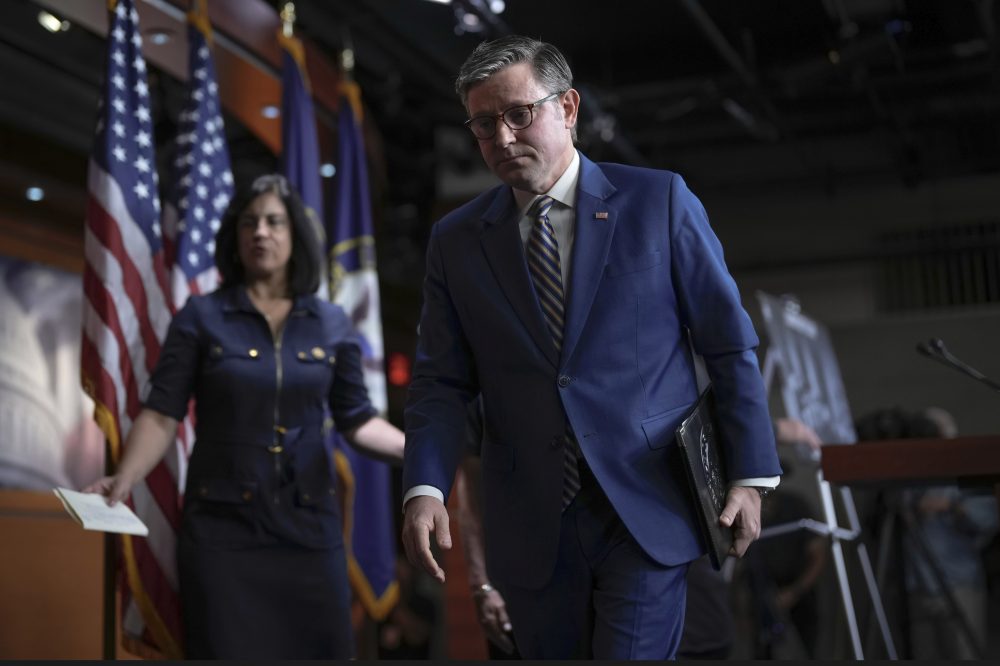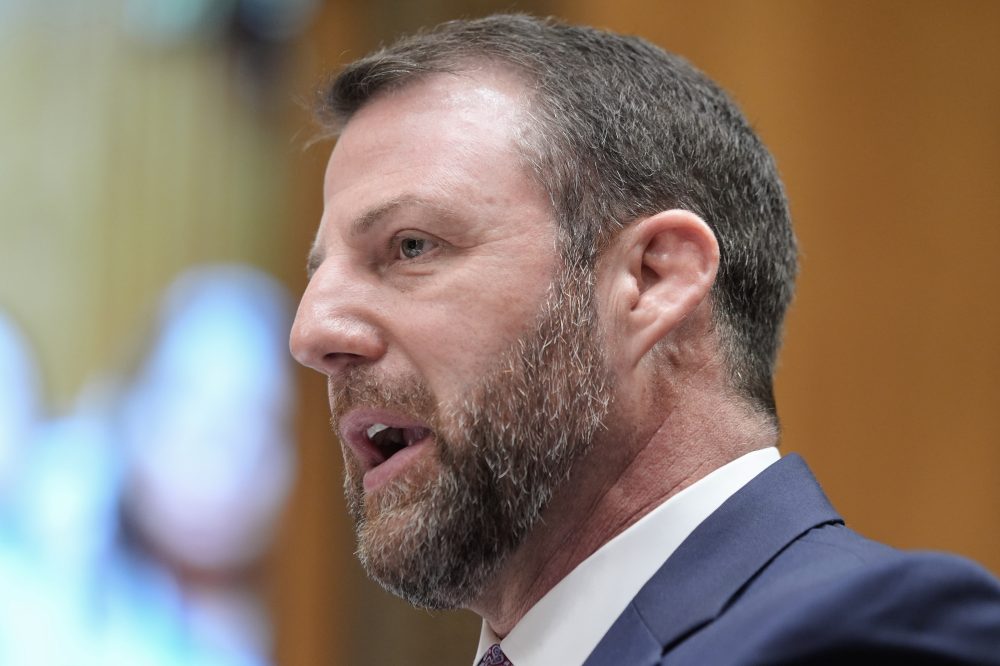

Donald Trump’s choice to lead the Department of Homeland Security outlined a more moderate stance on emergency management during his Senate confirmation hearing Wednesday, dismissing proposals to dismantle FEMA and promising to reverse several controversial policies from his predecessor.
Markwayne Mullin’s testimony generated optimism among emergency response officials who hope for a new direction at the Federal Emergency Management Agency following a period of instability under departing Secretary Kristi Noem.
However, questions remain about which specific changes Mullin would actually implement if confirmed, given his allegiance to Trump, who has sent mixed signals about FEMA’s future.
“It’s got a great mission, and I think people at FEMA want to do their job,” Mullin said during questioning by fellow Oklahoma Senator James Lankford. The nominee endorsed agency improvements to enhance effectiveness, accelerate reimbursements to local governments, and better assist rural areas.
Trump has consistently suggested eliminating the agency and transferring more disaster duties to individual states. Mullin’s testimony occurred less than 12 months after FEMA’s interim director Cameron Hamilton was dismissed following congressional testimony where he opposed dissolving the organization.
Throughout Noem’s leadership of DHS, FEMA experienced significant disruption and instability, including workforce reductions, program eliminations, and postponed disaster declarations and funding.
A much-awaited report from the Trump-selected FEMA Review Council containing agency overhaul recommendations remains months overdue, leaving states uncertain about future federal disaster assistance levels.
Previous FEMA leadership welcomed Mullin’s statements as potentially signaling an end to the chaos under Noem and an opportunity for meaningful agency improvements.
“He gets the importance of FEMA and while there is definitely room for improvement, he understands the partnership with FEMA is essential,” said Deanne Criswell, who served as FEMA administrator during Joe Biden’s presidency.
Pete Gaynor, who held the FEMA administrator role during Trump’s initial term, characterized Mullin’s testimony as “an impressive and meaningful first step forward.”
During discussions with Lankford and New Jersey Democratic Senator Andy Kim, Mullin emphasized that disaster response should remain locally directed with FEMA providing support – a principle already embedded in the agency’s mission – and stressed the need for faster community reimbursements.
“Taking years to get reimbursed is not acceptable,” Mullin stated. “Taking, honestly, months to get reimbursed is not acceptable.”
When Kim questioned him about particular policies, Mullin committed to eliminating Noem’s requirement for her personal approval of expenditures exceeding $100,000, a policy that angered bipartisan lawmakers who argued it hindered disaster response efforts.
“I’m not a micromanager,” Mullin declared, also informing Kim that he was already considering candidates for a permanent FEMA administrator position. Trump has yet to name a permanent FEMA leader, leaving the agency under its third interim director.
Though Mullin assured Kim the agency would maintain “adequate staffing” for national disaster response, he avoided stating whether he believed FEMA currently employs too many people.
Mullin also promised collaboration with Congress members on potential FEMA changes after Kim criticized Noem’s lack of engagement with senators during her role as FEMA Review Council co-chair. Mullin pledged “the best” congressional outreach, recognizing that FEMA reforms require legislative support.
“I’m pretty sure that you guys set the policies and mission for FEMA, so for any serious changes, it may take actually policy changes,” he told Kim. FEMA’s authority and duties are established in the 1988 Stafford Act and related legislation, with many procedural modifications requiring congressional approval.
Amanda Devecka-Renear, who leads the New Jersey Organizing Project advocating for Hurricane Sandy victims, expressed skepticism about Mullin’s commitments.
“Disaster survivors have been misled by hollow rhetoric before, and will be watching closely if Sen. Mullin is confirmed by the Senate to see if his actions match his words,” Devecka-Renear stated.
Whether Mullin would support reform concepts promoted by Trump, Noem, and the FEMA Review Council – including replacing reimbursements with state block grants and modifying disaster declaration requirements – remains unclear.
Emergency management experts and local officials have warned such modifications could reduce state, tribal, and territorial funding. States would need to adjust budgets to accommodate reduced federal support and require time for those transitions, according to Peter Muller from The Pew Charitable Trusts, speaking at a recent state emergency managers conference.
Mullin also avoided directly promising to reinstate FEMA staff placed on leave after signing an August protest letter opposing policies they claimed weakened the agency, but told Kim that whistleblower retaliation violates federal law.
“I’ll work within the law and the requirements of me, as secretary,” he said.