
WASHINGTON — President Donald Trump will make history Wednesday by becoming the first sitting commander-in-chief to observe oral arguments at the Supreme Court, where justices will consider his controversial birthright citizenship executive order.
According to the White House’s official schedule, Trump will visit the high court as justices review his challenge to a lower court decision that blocked his citizenship restrictions.
Trump issued the executive order on his first day back in office, stating that babies born to undocumented immigrants or temporary residents would no longer automatically receive American citizenship. This directive contradicts decades of established interpretation of the 14th Amendment and federal statutes dating to 1940, which grant citizenship to virtually all individuals born within U.S. borders.
This isn’t Trump’s initial consideration of attending Supreme Court proceedings. During his previous term, he expressed strong interest in observing arguments about his tariff policies but ultimately chose not to attend, citing concerns about creating a disruption.
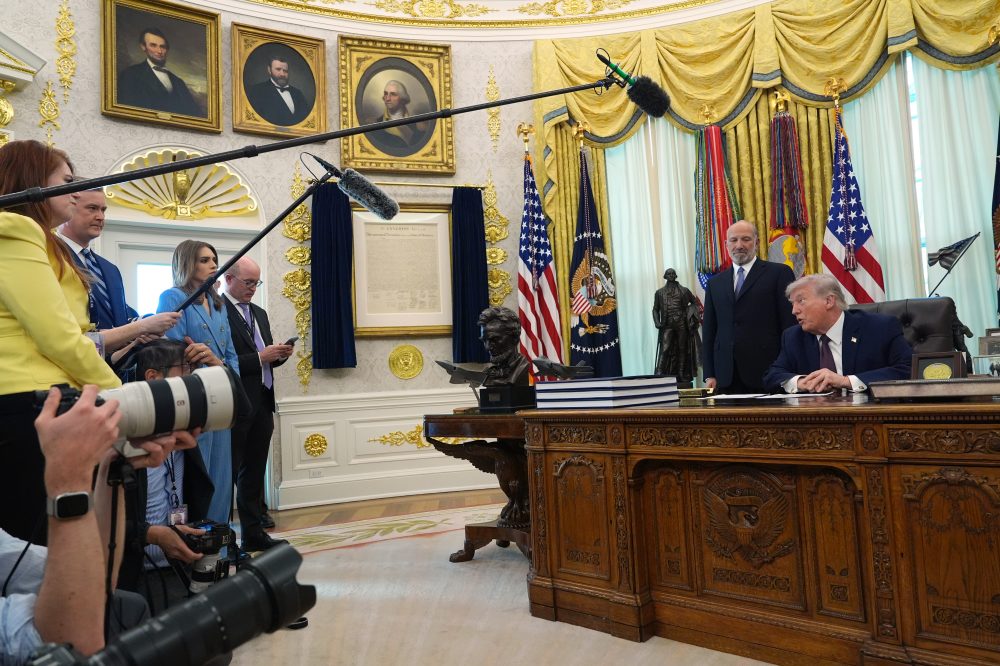
Speaking with reporters in the Oval Office Tuesday, Trump confirmed his Wednesday plans with greater certainty.
“I’m going,” Trump stated when asked about the birthright citizenship arguments. When pressed to confirm his personal attendance, he responded, “I think so, I do believe.”
Trump previously visited the Supreme Court during his first presidency for Justice Neil Gorsuch’s ceremonial installation. The current court includes three Trump appointees: Gorsuch, Brett Kavanaugh, and Amy Coney Barrett.
While other former presidents have interacted with the court, none appear to have done so while serving in office. Richard Nixon presented arguments as a private attorney between his vice presidency and presidency, while William Howard Taft became chief justice following his presidential term.
When asked which justices he would focus on most intently, Trump offered a lengthy assessment of what he characterized as a politically divided court, split between Republican and Democratic appointees.
“I love a few of them,” he remarked. “I don’t like some others.”
The citizenship limitations represent one component of Trump’s comprehensive immigration enforcement strategy, though no jurisdiction has implemented them due to multiple court injunctions.
The Supreme Court is anticipated to deliver a final decision by early summer.