
Major manufacturers in Japan demonstrated growing confidence in their business prospects during March, with sentiment levels climbing to 17 from the previous quarter’s reading of 16, according to Wednesday’s release of the Bank of Japan’s quarterly business survey.
This marks the fourth consecutive quarter that the closely monitored “tankan” survey’s key diffusion index has shown improvement, even as concerns mount over Japan’s economic outlook and potential oil supply disruptions stemming from the ongoing conflict in Iran.
The diffusion index measures the difference between companies anticipating favorable business conditions and those expecting challenging times ahead.
Meanwhile, large non-manufacturing companies, including service industry businesses, maintained their previous sentiment level at 36, showing no change from the last quarterly survey.
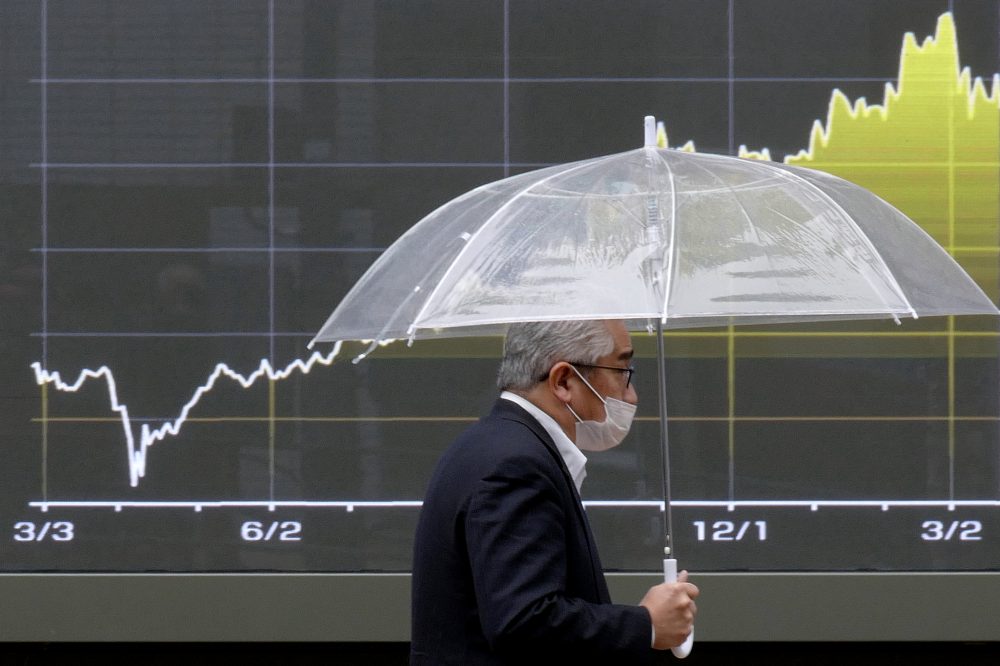
While Japan’s inflation rates have remained relatively controlled so far, anxiety is building regarding fuel costs and pricing for various consumer goods. Both investors and everyday consumers face uncertainty about the duration of the Middle East conflict and potential policy statements from U.S. President Donald Trump. Japan’s primary stock index, the Nikkei 225, has experienced significant volatility in recent weeks.
Financial experts suggest the Bank of Japan might begin increasing interest rates due to inflation concerns, particularly given rising energy expenses and the weakening yen — factors that significantly impact everyday living expenses for Japanese citizens.
Traditionally, Japan’s economy has thrived when the yen weakened because of its substantial export industries, particularly automobiles and electronics. A declining yen increases the value of export revenues when converted back to Japanese currency.
However, in recent times, the weak yen has become problematic since Japan lacks natural resources and must import most of its energy needs, along with essential items like food and manufacturing materials.
The U.S. dollar has been gaining strength against the yen in recent periods.
Japan’s central banking institution maintained negative interest rates for several years to combat deflation before returning to standard monetary policy in 2024. Interest rates remained steady at 0.75% during March. The Bank of Japan’s next monetary policy committee meeting is scheduled for April 27-28.