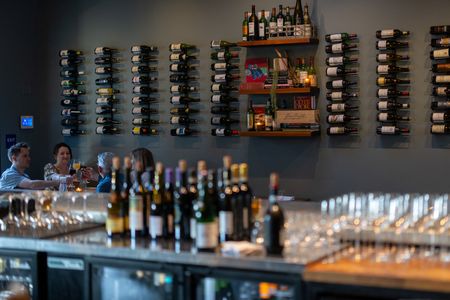

Restaurant and bar owners nationwide are being forced to overhaul their wine selections as tariffs on European imports drive up costs beyond what customers will pay.
Kristen Goceljak, who oversees wine purchasing for Kent Hospitality Group’s upscale New York establishments, says certain champagne and cremant varieties that were previously menu fixtures are being eliminated because tariffs have pushed prices too high.
Five restaurant operators, retailers, and wine distributors told Reuters they’re revamping their offerings with more affordable options following tariffs on alcohol imports from European regions implemented over the past year.
European goods faced a 15% tariff rate starting last August under a US-EU trade agreement. After the Supreme Court struck down several of President Trump’s tariff policies in February, new levies were quickly implemented, imposing at least a 10% additional cost on many European imports.
Goceljak experienced the impact firsthand in February when she discovered a champagne she regularly purchased for private events had jumped approximately $5 per bottle from its previous $48 price at her distributor.
A cremant variety from the same supplier increased by roughly $3 per bottle, she noted, while numerous other vendors have informed her of price hikes reaching 20% this year.
Goceljak plans to replace champagne and cremant brands – which must originate from France – along with other established labels, opting for less expensive substitutes.
“It’s just too expensive,” she stated.
President Trump’s comprehensive tariff program announced in April 2025 immediately affected massive alcohol shipments entering the United States. European alcohol exports including wines, spirits and aperitifs to America totaled approximately 9 billion euros ($10.4 billion) in 2024, based on Eurostat figures.
However, many producers initially avoided raising prices while US alcohol sales already faced challenges from affordability concerns, competition from cannabis beverages, and changing consumption patterns.
Companies shipped large quantities in advance to avoid the tariffs or absorbed the additional costs themselves to maintain stable pricing, particularly during the crucial October-December holiday period when alcohol sales typically surge. These approaches are now becoming unsustainable.
“The pressure to pass through costs is mounting,” explained Lance Emerson, Senior Vice President of Commercial Finance at Republic National Distributing Company, a major US wholesaler. He noted the impact is more severe for wine, while spirits producers have better capacity to absorb tariff costs within their profit margins.
Retail prices for some imported wine brands have already increased 5-12% in 2025, with more significant rises from additional suppliers anticipated in 2026, Emerson said.
Both Emerson and Zach Poelma, Senior Vice President of Commercial Intelligence at Southern Glazer’s Wine and Spirits wholesaler, report that retailers and restaurants are either currently modifying their menus and inventory or are expected to make such adjustments increasingly throughout this year.
Emerson said dining establishments are shifting cocktail and wine offerings toward lower-priced alternatives, while retailers are reducing their product variety and balancing imported selections with domestic options. Poelma indicated restaurants, bars and other venues may also progressively replace imported wines with American varieties.
The pricing pressures have benefited some domestic brands. Imported wine sales volumes dropped approximately 8% from October through January, while domestic wine sales declined only 3% during the same timeframe, according to SGWS’s Poelma, with similar patterns continuing through February.
Francis Creighton, CEO of the Wine & Spirits Wholesalers of America trade organization, said member companies are assisting customers in updating their wine selections and cocktail offerings, including by providing domestic alternatives.
California’s Josh Cellars brand experienced 8.3% sales growth in the 13 weeks ending mid-March, while the overall wine category fell 3.6% – results that Dan Kleinman, chief marketing officer at parent company Deutsch Family Wine & Spirits, attributes partly to tariffs affecting imported competitors.
Deutsch Family Wines has maintained steady pricing on both Josh Cellars and imported brands in its collection.
“The sweet spot in America is a $10-$12 glass of wine,” Kleinman said, explaining that exceeding that range gets products removed from menus because many consumers refuse to pay higher amounts. “They want you at those certain prices.”
Josh Cellars Cabernet retails for approximately $10 per glass.
Wife and the Somm, a Los Angeles restaurant, has replaced several Old World European wines on its by-the-glass menu with domestic brands, according to owners Chris and Christy Lucchese.
This year, costs for European artisanal cheeses and meats they carried also increased dramatically.
“We have had to segue our entire cheese and charcuterie program to all domestic,” they explained. In some instances, they now pay more for American versions than they previously spent on European imports.