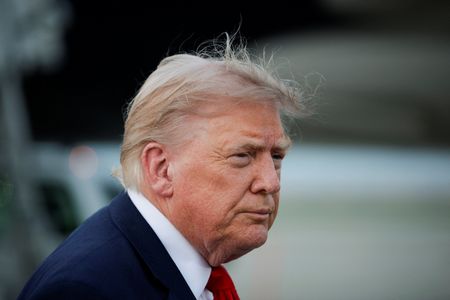

President Donald Trump signed an executive order on Monday aimed at tightening the rules around waivers that allow U.S. defense contractors to purchase critical minerals and other materials from China and other prohibited foreign suppliers. The move is part of the administration’s ongoing effort to reduce American dependence on overseas supply chains for weapons manufacturing.
Under the new rules, simply showing that a Chinese supplier is the most convenient or least expensive option will no longer be enough for a contractor to obtain a waiver. Companies must now demonstrate that they actively looked for alternative sources, provide a full accounting of where their materials come from, and present a concrete plan for moving away from prohibited suppliers. Contractors who cannot prove they are making meaningful progress toward domestic sourcing could face the loss of their government contracts.
White House adviser Peter Navarro summed up the administration’s stance during a briefing held before the executive order was officially released. “No more: ‘we tried nothing and we’re out of options,’” Navarro told reporters.
The order arrives as the Pentagon is pressing defense contractors — including major manufacturers like Lockheed Martin and Boeing — to ramp up weapons production quickly, even as persistent vulnerabilities remain in the supply chains that support the U.S. military. Many of the critical minerals and processed materials used in missiles, aircraft, and other advanced military systems still come from Chinese suppliers, leaving companies caught between pressure to move away from Beijing and the practical need to keep weapons flowing to U.S. forces and allies.
In addition to tightening waiver requirements, the executive order instructs the Pentagon to develop regulations requiring contractors to map their critical defense supply chains from raw materials all the way through to finished military products. Companies will need to identify the origins of minerals, components, software, and other inputs used in specific weapons systems, extending the government’s oversight beyond primary contractors to lower-tier suppliers as well.
Navarro emphasized the national security stakes behind the new requirements. “This is not paperwork. It is battlefield preparation,” he said, arguing that the Pentagon must understand whether missile systems or other military platforms depend on foreign-controlled suppliers before any conflict begins.
The order also calls on contractors to evaluate their suppliers for foreign ownership, financial vulnerabilities, and manufacturing risks, and to replace any suppliers determined to be unreliable.