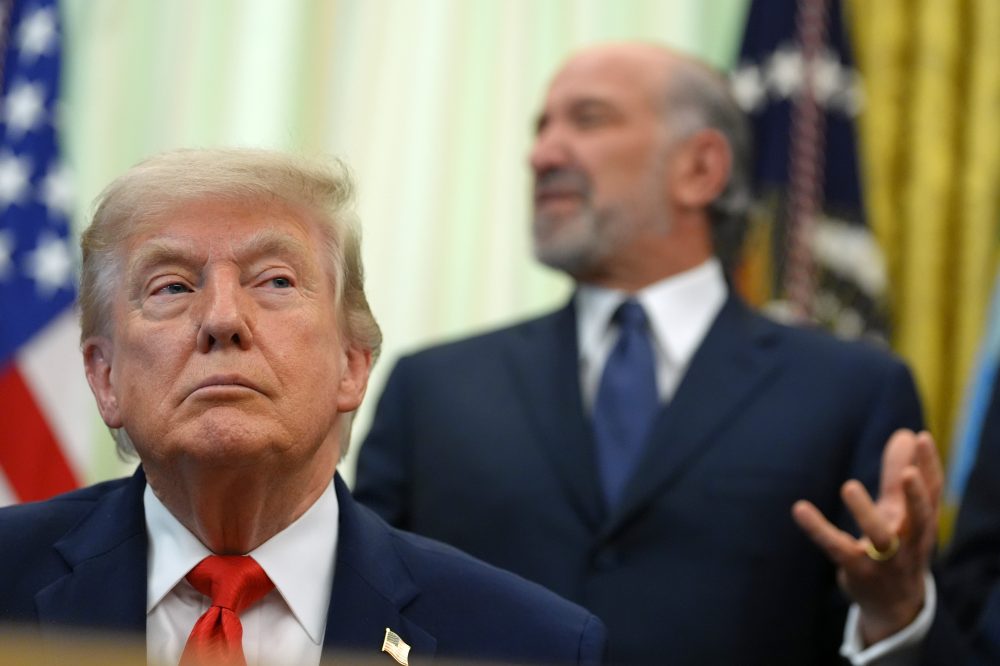

WASHINGTON — President Donald Trump is anticipating what could be a pivotal weekend for his administration.
The World Cup begins in the United States on Friday, marking the tournament’s return after 32 years, following Trump’s successful effort to secure co-hosting rights during his initial presidency. His 80th birthday celebration is planned for Sunday during a UFC event expected to bring thousands to the White House lawn. Following the fights, he’s set to travel to the G7 gathering in the French Alps for discussions with multiple world leaders amid ongoing disputes over conflicts and trade policies.
However, Trump elevated expectations further when he declared Thursday that America and Iran might reach an accord this weekend establishing a framework to conclude the three-month conflict that has proven widely unpopular domestically and disrupted international oil markets. He indicated plans to send Vice President JD Vance to witness the agreement’s signing.
In recent weeks, Trump has repeatedly suggested an imminent breakthrough without results materializing. Following Trump’s statements, an Iranian Foreign Ministry representative told state media that while mediators remain engaged, no final resolution has been reached to stop the fighting.
Nevertheless, Trump maintains this occasion could prove different.
This development follows his warnings to intensify the conflict through heavier bombing campaigns against Iran and seizing Iran’s petroleum infrastructure, including taking control of Iran’s crucial Kharg Island oil terminal. These presidential threats came after reciprocal attacks this week that essentially nullified a temporary ceasefire established in early April.
“They’ve taken a pounding like very few people could take,” Trump stated during an Oval Office media session while explaining his confidence that an agreement would materialize this time. “And they want to make the deal a lot more than I do.”
Trump provided limited information about the emerging settlement but informed reporters he believes Iran’s supreme leader, Ayatollah Mojtaba Khamenei, who reportedly sustained injuries on the conflict’s opening day and hasn’t appeared publicly since, is prepared to approve the agreement.
Trump describes the deal as “very strong,” although he acknowledges it remains “a little conceptual,” and claims it would prevent Iran from ever acquiring nuclear weapons.
As the conflict has escalated recently, Trump’s warnings about increased U.S. military involvement appeared partially designed to show his political base’s hawkish elements that he would take a tough stance with Iran if they didn’t agree soon, according to Ali Vaez, Iran director at the International Crisis Group.
In March, Trump had threatened to strike Iranian infrastructure and deploy American forces to Kharg Island before eventually retreating, leading both nations to accept the temporary ceasefire.
Shortly after raising the concept again on social media Thursday, Trump seemed to step back. During a Fox News Channel morning program call-in, he questioned whether Americans possessed the “stomach” for an approach requiring U.S. military personnel in dangerous situations.
Later that day, Trump announced he had canceled orders for “very hard” attacks on Iran and stated a deal was imminent.
Vaez noted that even while Trump posted about escalating strikes Thursday, negotiators from Pakistan, Turkey and Qatar had been advancing in their Iranian discussions.
Simultaneously, Iran may have altered Trump’s calculations through its weekend decision to directly strike Israel for the first time since the ceasefire, following Israeli military operations against Iranian-supported Hezbollah forces in Lebanon.
Through this action, Iran demonstrated that Israel could no longer attack Lebanon without facing significant retaliation, while also increasing costs for U.S. commitments to protect Israel.
“It really does appear to me that Trump wants to bring this to an end, but his real challenge is that he’s looking for a victory lap and an exit ramp and those two things are not necessarily compatible,” Vaez said.
Since the conflict’s early stages, Trump has claimed victory — noting that much of the Islamic Republic’s leadership has died in bombings and Iran’s naval and air capabilities have suffered severe damage.
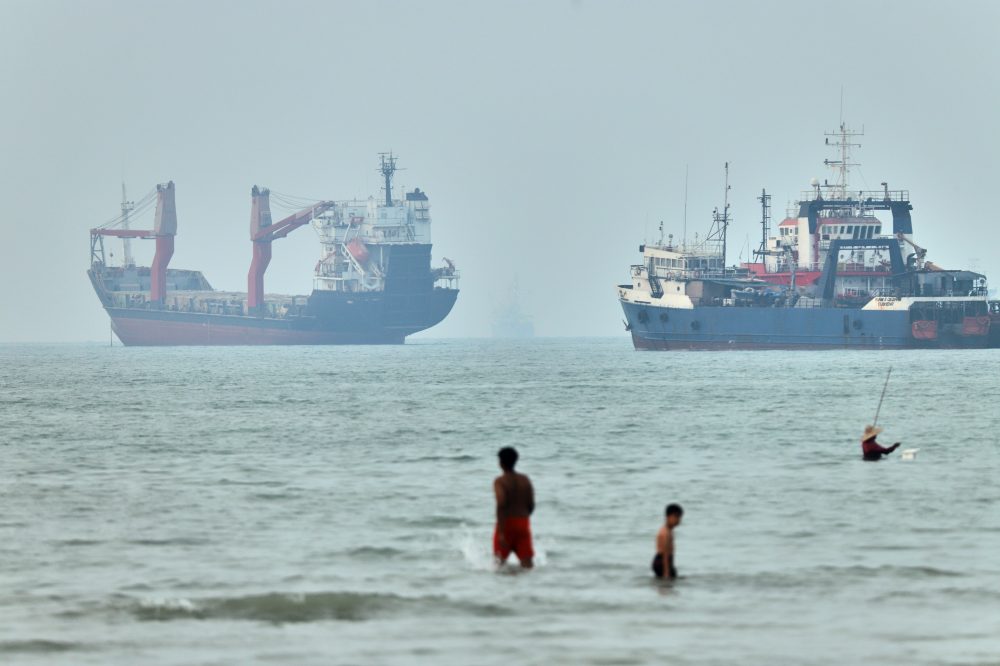
Yet Iran continues successfully blocking the Strait of Hormuz, restricting a passage that previously carried approximately 20% of global oil supplies before the war, and hasn’t agreed to resume nuclear program discussions with the U.S., the primary justification Trump and Israeli Prime Minister Benjamin Netanyahu provided for initiating the conflict.
However, Trump complained Thursday that the main issue was essentially about public perception.
“They could wave the white flag of surrender. They could say: ‘We surrender, we surrender, we’re finished, we’ve had it. The United States is the greatest power, praise be to Allah,’” Trump said on Fox News. “They could say it loud and clear. And the fake news would say it was a great victory for Iran.”
Rep. Michael McCaul, R-Texas, a former chairman of the House Foreign Affairs Committee, said Trump has grown impatient with Iran and the renewed strikes and threats on Kharg Island and Iran’s energy sector were intended to get the negotiations back to the “right place.”
Polling indicates the conflict remains largely unpopular among Americans. McCaul suggested Iranians want to “try to drag this out as long as they can,” approaching November’s midterm elections, viewing prolonged conflict as advantageous.
Regardless of agreement outcomes, the war will feature prominently during next week’s Group of Seven summit discussions in scenic Évian-les-Bains, France.
Trump has repeatedly criticized several group leaders — British Prime Minister Keir Starmer, French President Emmanuel Macron, Italian Prime Minister Giorgia Meloni and German Chancellor Friedrich Merz — for refusing his requests to support the U.S. and Israeli military campaign.
These four leaders have also frustrated Trump by condemning his war execution methods and his failure to consult allies before entering a conflict that has damaged the global economy through rising oil costs.
Despite these tensions, Trump expressed optimism about reaching an agreement before his French leadership meetings.
“The strait will officially open as soon as we sign, which could be soon, very soon — maybe over the weekend in Europe,” Trump said.