
President Donald Trump has delivered a stark 48-hour ultimatum to Iran, threatening to destroy the nation’s power facilities unless Tehran completely reopens the Strait of Hormuz shipping corridor.
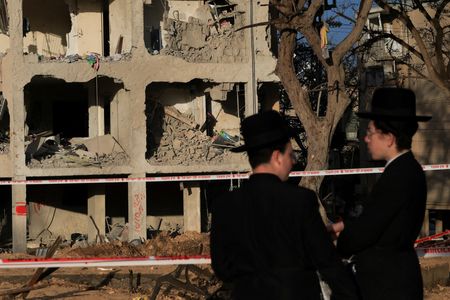
The escalating confrontation comes as air raid warnings echoed throughout Israel early Sunday, alerting residents to incoming Iranian missiles following overnight attacks that injured dozens in the southern Israeli communities of Arad and Dimona.
Israeli forces announced Sunday they were launching strikes against Tehran in response to Iran’s assault on southern Israel.
Trump’s Saturday ultimatum represents a dramatic shift from his recent comments about “winding down” the month-long conflict. “If Iran doesn’t FULLY OPEN, WITHOUT THREAT, the Strait of Hormuz, within 48 HOURS from this exact point in time, the United States of America will hit and obliterate their various POWER PLANTS, STARTING WITH THE BIGGEST ONE FIRST!” the president wrote on social media Saturday evening.
Iran’s military leadership fired back Sunday, warning they would target American infrastructure throughout the Gulf region, including energy installations, if Trump executes his threat. This comes as U.S. Marines and heavy naval equipment continue deploying to the area.
The ongoing war, which began February 28, has claimed over 2,000 lives and created chaos in global markets while driving up fuel prices and sparking inflation concerns worldwide.
Market analyst Tony Sycamore from IG warned that Trump’s deadline has created a “48-hour ticking time bomb of elevated uncertainty over markets.” He predicted potential attacks on energy infrastructure in Saudi Arabia, the United Arab Emirates and Qatar could “deepen and prolong the pain of higher energy prices.”
Oil prices soared Friday to nearly four-year highs after Iraq suspended operations at foreign-developed oil fields, Israel struck an Iranian gas facility, and Tehran retaliated with attacks on Saudi Arabia, Qatar and Kuwait.
Iranian actions have effectively blocked the Strait of Hormuz, a crucial waterway handling approximately 20% of global oil and natural gas shipments, creating the worst energy crisis since the 1970s. European gas prices jumped 35% last week as the strait’s near-closure disrupted supplies.
According to Iranian media reports, Tehran’s representative to the International Maritime Organisation stated the strait remains accessible to all vessels except those connected to “Iran’s enemies.” Ali Mousavi indicated ships could navigate the waterway by coordinating safety protocols with Iranian authorities.
Tracking data shows some vessels, including Indian-flagged ships and a Pakistani tanker, have successfully negotiated passage through the strait. Pakistan maintains diplomatic ties with both Iran and the United States.
Iran’s Khatam al-Anbiya military command declared Sunday that any American assault on Iranian energy infrastructure would trigger retaliatory strikes against all U.S. energy, technology and water desalination facilities in the region.
Attacking Iran’s major power plants could cause widespread blackouts, disabling everything from oil pumps and refineries to export terminals and military command centers, given the interconnected nature of the country’s electrical grid and energy sector.
Tehran expanded the conflict’s scope Saturday by launching long-range missiles for the first time, with one Iranian strike landing dangerously close to Israel’s classified nuclear facility approximately 8 miles southeast of Dimona.
Israeli military commander Eyal Zamir reported that Iran fired two ballistic missiles with 2,500-mile range capabilities at the joint U.S.-British military installation at Diego Garcia in the Indian Ocean.
In southern Lebanon, Israeli forces conducted raids against Hezbollah positions Sunday, killing 10 militants according to Israeli reports. Hezbollah responded with attacks on northern Israeli border communities, resulting in one fatality at an Israeli kibbutz – the first Israeli death from Lebanese fire since March 2, when Hezbollah joined the conflict following the death of Iran’s Supreme Leader Ali Khamenei.
Israeli leadership announced plans to accelerate the destruction of Lebanese homes in “frontline villages” and immediately demolish all bridges crossing Lebanon’s Litani river, which they claim facilitate “terrorist activity.”
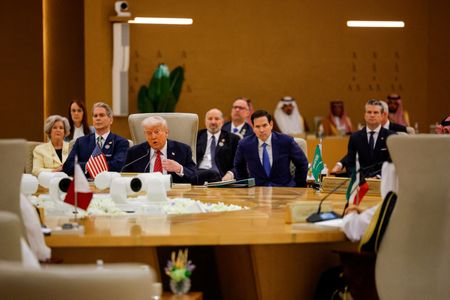
The Trump administration has delivered conflicting messages regarding American objectives in the conflict, leaving international partners uncertain how to respond. Trump has criticized NATO allies as cowardly for their hesitation to assist in reopening the Strait of Hormuz, while most allies express reluctance to join a war initiated without their consultation.
Japanese Foreign Minister Toshimitsu Motegi indicated Sunday that Japan might consider deploying military assets for mine-clearing operations in the Strait if a ceasefire is achieved.
A recent Reuters/Ipsos survey revealed 59% of Americans oppose military action against Iran, with only 37% supporting such measures. The conflict has become a significant political challenge for Trump as November’s congressional elections approach.