
WASHINGTON — The Environmental Protection Agency under the Trump administration plans to introduce changes that would relax certain drinking water regulations for PFAS chemicals established during the Biden presidency, according to a top agency official.
Jessica Kramer, who leads the EPA’s Office of Water, announced Thursday at a Washington conference that the agency intends to eliminate and reconsider specific restrictions she claims the previous administration implemented incorrectly. This action follows through on commitments the EPA made a year earlier.
The upcoming proposal will initiate the official process to roll back portions of the nation’s first comprehensive PFAS drinking water standards, which Biden administration officials determined could reduce risks of heart disease, certain cancer types, and low birth weight in newborns.
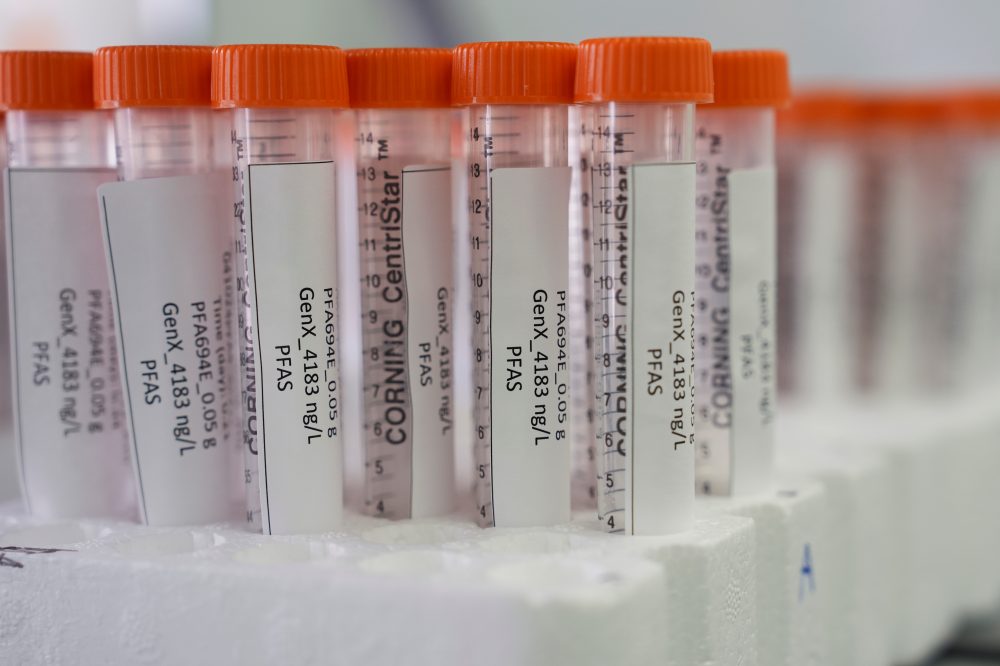
While complete details remain under wraps, agency leaders have previously indicated they would eliminate regulations covering three PFAS categories, including GenX chemicals discovered in North Carolina waters. The agency also plans to remove a standard addressing combinations of multiple PFAS types before reconsidering these restrictions.
‘We need drinking water rules that are legally defensible. We need drinking water regulations that are not susceptible to legal challenge because the explicit process in the Safe Drinking Water Act wasn’t followed. And so that is a huge concern,’ Kramer stated during the conference focused on ensuring universal access to clean drinking water and wastewater services.
Kramer explained the goal involves restarting the regulatory process while adhering to proper legal procedures. The Biden administration faced criticism for allegedly bypassing correct legal protocols by rushing regulations on less common PFAS types that are now targeted for elimination.
The agency maintains its dedication to supporting water utilities in reducing PFAS contamination through technical guidance and billions in additional funding to help with expensive and complex treatment systems required to eliminate these chemicals.
The previous administration’s regulations established stringent limits of 4 parts per trillion for two prevalent PFAS types known as PFOA and PFOS. The EPA plans to maintain these standards while extending the compliance deadline by two years to 2031.
EPA Administrator Lee Zeldin previously described the deadline extension as ‘common-sense flexibility’ when the agency first announced this approach.
‘This will support water systems across the country, including small systems in rural communities, as they work to address these contaminants,’ he stated at that time.
Regarding broader drinking water policy, the Trump administration has committed to maintaining strong lead reduction standards for tap water, contrasting with their approach to environmental protections for coal and other polluting energy industries.
‘Where they may have taken a wrecking ball to those rules, this is a little more surgical and measured in part because of the resonance of these issues among voters,’ said Melanie Benesh, vice president of government affairs with the Environmental Working Group nonprofit.
According to the organization, requiring utilities to treat multiple PFAS types helps ensure other potentially dangerous substances are also filtered from water supplies.
Benesh also questioned the legality of the proposed changes, noting that the Safe Drinking Water Act, which gives EPA authority to regulate drinking water contaminants, prohibits officials from creating weaker regulations than existing ones.
The announcement comes as the agency faces pressure from the Make America Healthy Again movement regarding PFAS and pesticide issues. This group, supported by Health Secretary Robert F. Kennedy Jr., advocates against corporate environmental damage.
Public comment periods will be available before any final changes take effect.